

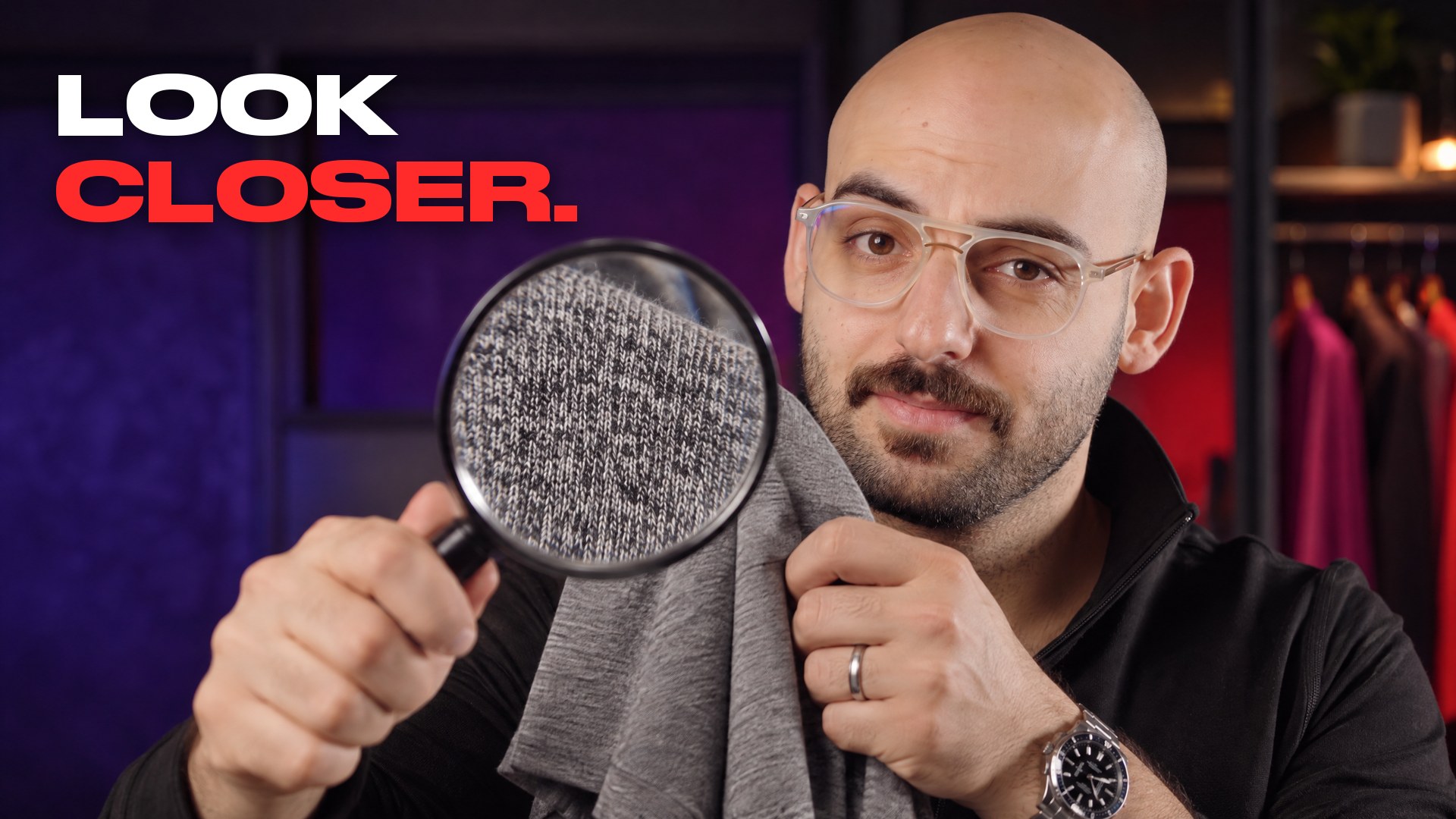
Read the label on a black tee: 100% cotton. Read the label on the same tee in dusty pink: 100% cotton. Now read the speckled gray one from the same blank. It's a 50/50 blend. Same product, same brand, and the composition changes with the color. That speckled gray is heather, and the reason it's different is how it gets made.
Shadi Adada, co-founder and creative director of FittDesign, has spent the last 10 years helping thousands of brands create quality activewear, and "what is heather, and should it go in my collection?" is a question founders ask him all the time. Here's what heather actually is, the five ways it's made, and what each one means for your brand.
The short answer: heather is a color effect made by mixing two colors of fiber or yarn into one fabric, and the five ways to make it change the feel, the price and how your prints behave. If heather is core to your line, decide which method you're getting before you write the tech pack.
Prefer to watch? The full episode is embedded at the bottom of this post, along with the complete script.
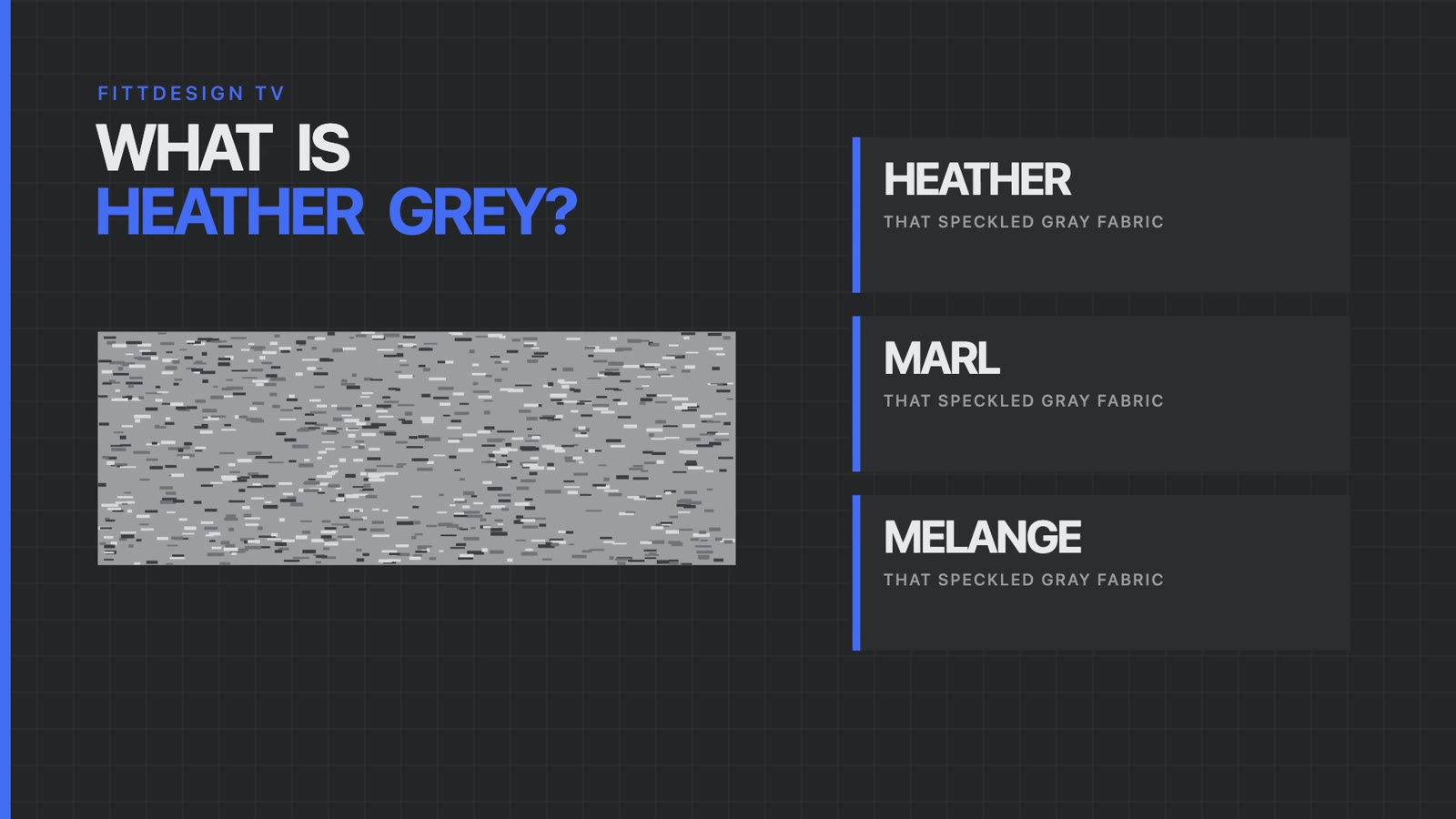
What Heather Actually Is
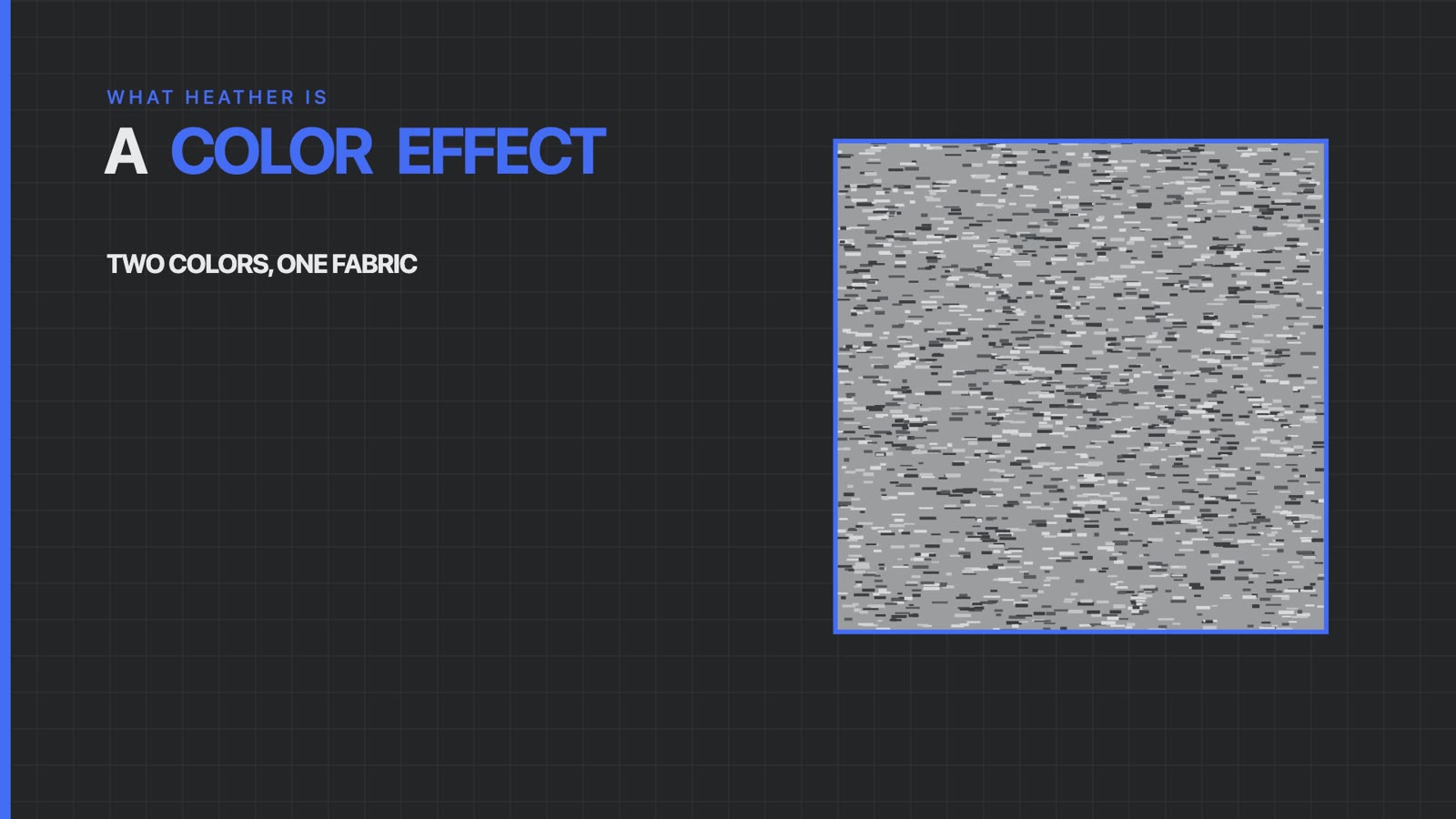
Heather is a color effect. When you look at a heathered or marled fabric, you'll typically see two colors in the same fabric. It can come off as a streaky look, a stripy look, or a powdered, freckled look, with little flecks of gray and dark gray mixed together. It's also called melange, which in French simply means mixture.
The clearest example is on a real blank. In Gildan's 5000 series:
- Sport Grey is 90 cotton, 10 polyester
- Ash is 99 cotton, 1 polyester
- The heather colors are usually 50 cotton, 50 polyester
So the look comes from the fibers the fabric is made of. Two fibers, mixed, give you that speckle.
1. Fiber-Dyed Melange
To see where heather happens, break a garment down. The garment is made of pattern pieces. The pattern pieces are cut from finished fabric. The fabric is knitted or woven from yarn, and the yarn is spun from fibers.
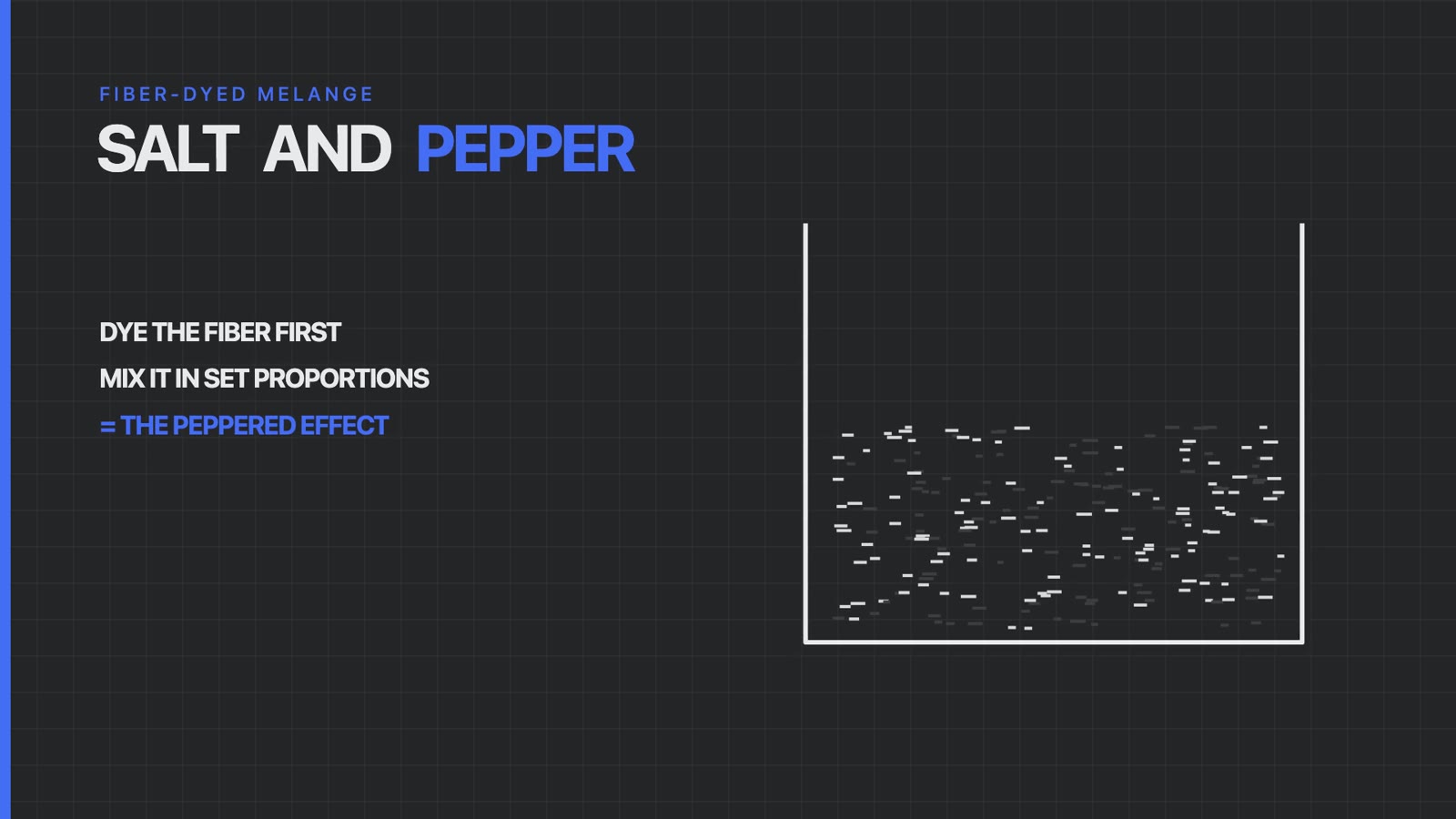
A melange isn't decided at the fabric level. It's decided at the yarn level. The fibers are mixed and spun together into a single yarn that already carries both colors, and that yarn is then knitted or woven into the fabric. Shadi compares it to mixing salt and pepper in a container before you shake it out.
Same fibers, different shade: change the proportions, say 60 polyester and 40 cotton instead of 50/50, and you get a different shade of heather from the exact same fibers.
2. Marl
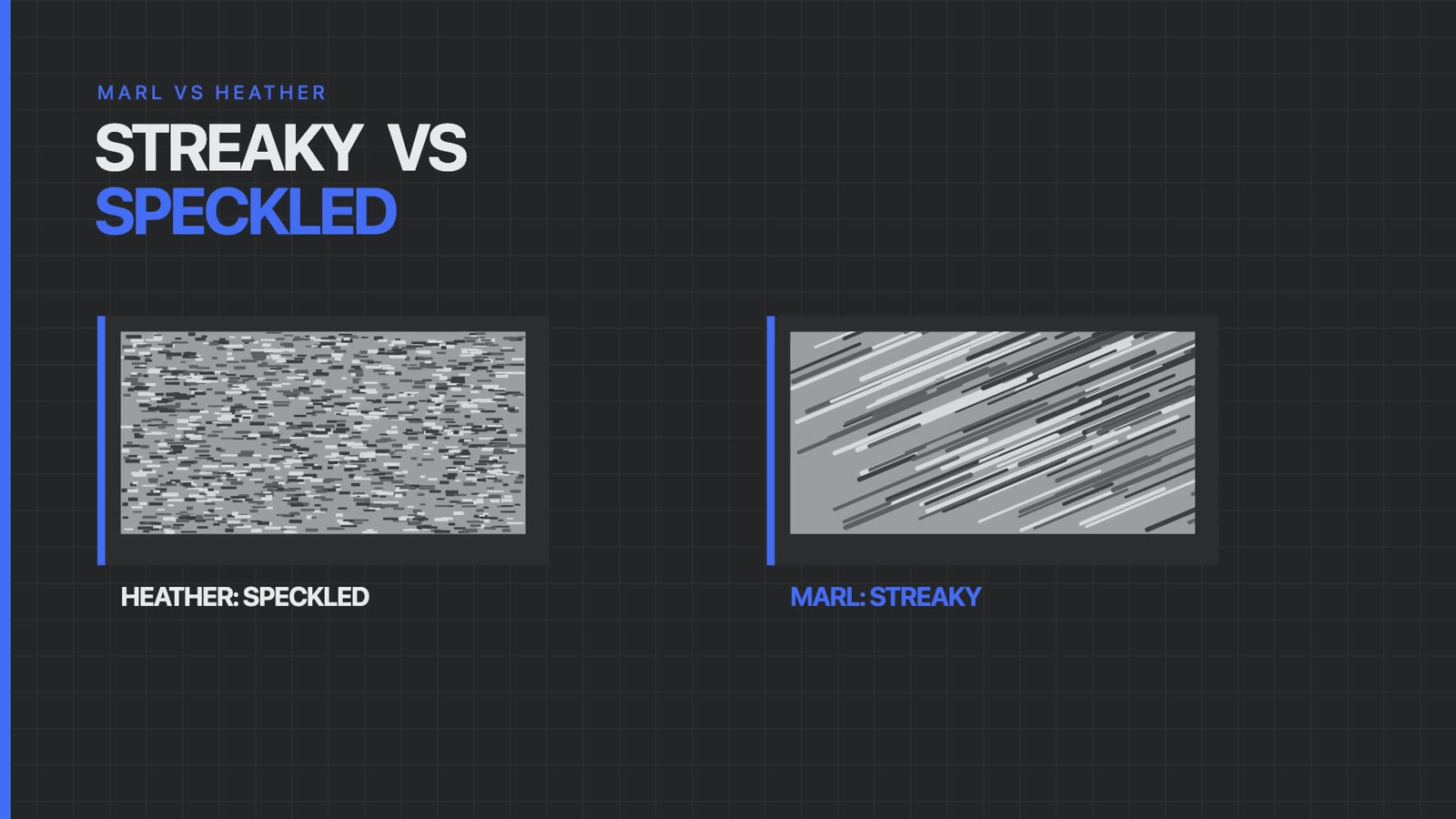
A marl takes the idea one step later. Instead of mixing the fibers, two differently colored strands, for example a polyester yarn and a cotton yarn, are twisted together into one multi-colored yarn. Once that's knitted or woven, you get a stripier look.
- Marl knit: more streaky
- Heather knit: a lot more speckled
3. Cross Dyeing
Also called double dyeing. Here the fabric is knitted first from a cotton and polyester blend, and then it's dyed. Some dyes only take to cotton and some only work on polyester. The first dye colors the cotton, the second colors the polyester, and the two fibers end up as two different shades. That's your heather, without dyeing any fiber in advance.
Picking fabric for your next collection?
Whether your heather is melange, marl, cross dyed or printed changes the price, the minimum and how your prints sit, so it's worth settling before the first sample.
4. CD Polyester Heather
This is how a fully polyester fabric still looks heathered. You use two yarns from the same family: a regular polyester yarn that takes one type of dye, and a cationic dyeable polyester, CD polyester for short, that only takes another. Dye the fabric and the two yarns come out as two shades. The label can say 100% polyester and you still get a heather or marl effect.
5. The Printed Fake
The fifth way is to print the heather or marl effect onto the fabric. It can be sublimated, a flatbed print or a digital print. It's the fake way, and there's a simple test for it.
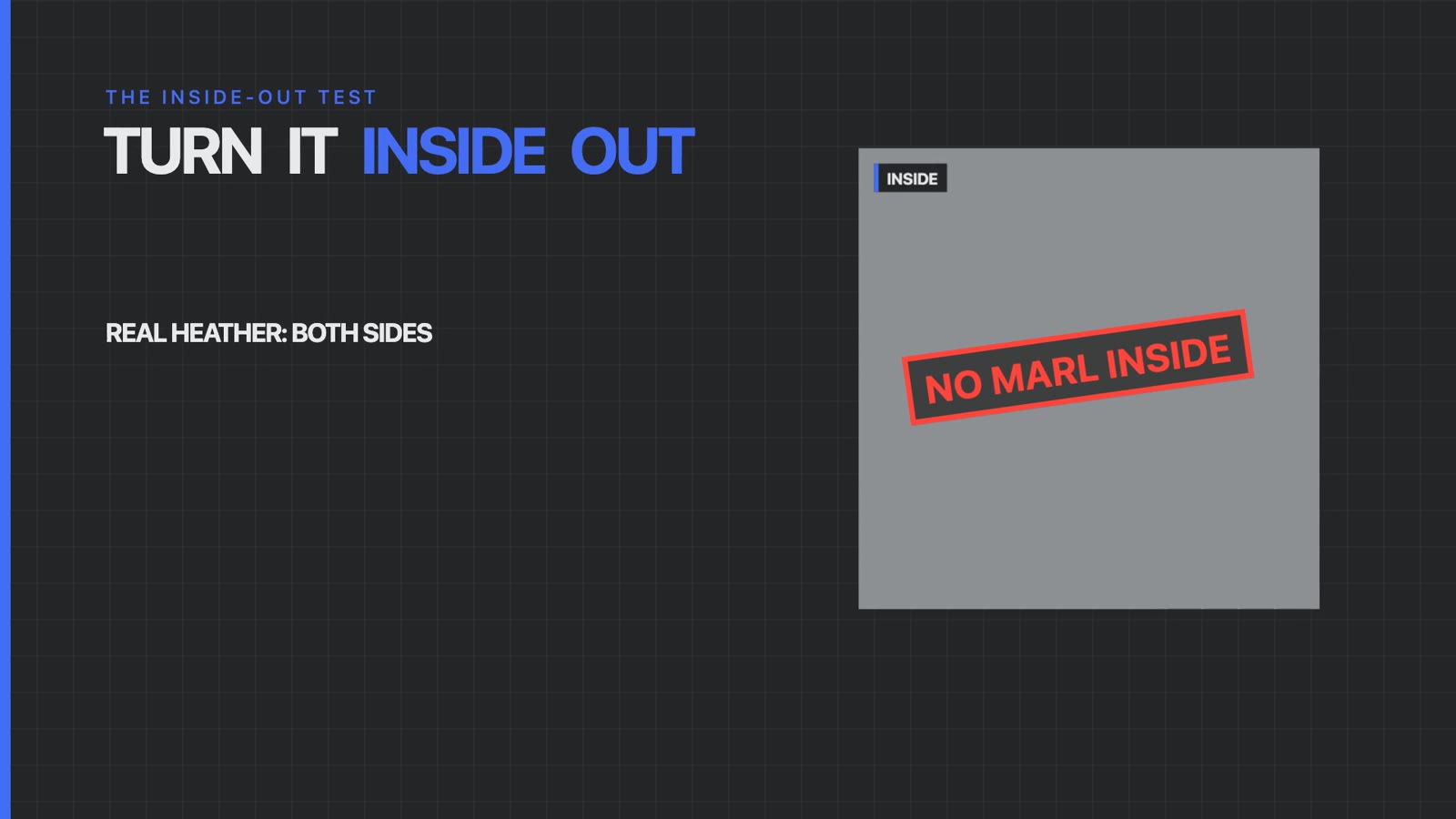
The inside-out test: turn the garment inside out. A real heather looks heathered on both sides. A printed one has no marl texture on the inside, because it's a print on top of the fabric, not a yarn or fabric finish.
Flatbed prints can peel or crack, and sublimation limits you to the fibers it works on (Shadi breaks that down in how sublimation printing actually works). The upside is real though: it's a cheap and effective way to get the look, with no minimum order and no setup.
What Heather Means for Your Brand
- Your prints. On a cotton poly heather, a discharge print can only strip the cotton, so it can come out patchy, with edges that look fake and digital. If you're weighing print methods, see plastisol vs water-based ink.
- Your price. A true heather or marl is a yarn decision, or a fabric decision. You pay for the development, and you order more. Once you're working from the yarn source, Shadi says you're typically looking at a thousand meters minimum for a custom dyed, custom knitted or woven fabric.
- Where it works. In Shadi's experience heather is a real opportunity on thicker, heavier outerwear. It carries a premium look, since it's the more established brands that do it well, and it hides lint, dust and dirt better than a solid color.
- Your reorders. Color consistency across reordered lots is hard unless you control the yarn: the composition, where the yarns are sourced and how they're knitted or woven. That takes a dedicated production manager, so a customer who bought a heather set last season gets the same color this season in a different product.
The Verdict
Shadi's recommendation depends on how central heather is to your brand:
- Startup brand, heather is a core focus: go with pre-made heather fabrics, which usually come at lower minimum order quantities. Expect a lower grade of fabric and color that can shift from roll to roll and order to order.
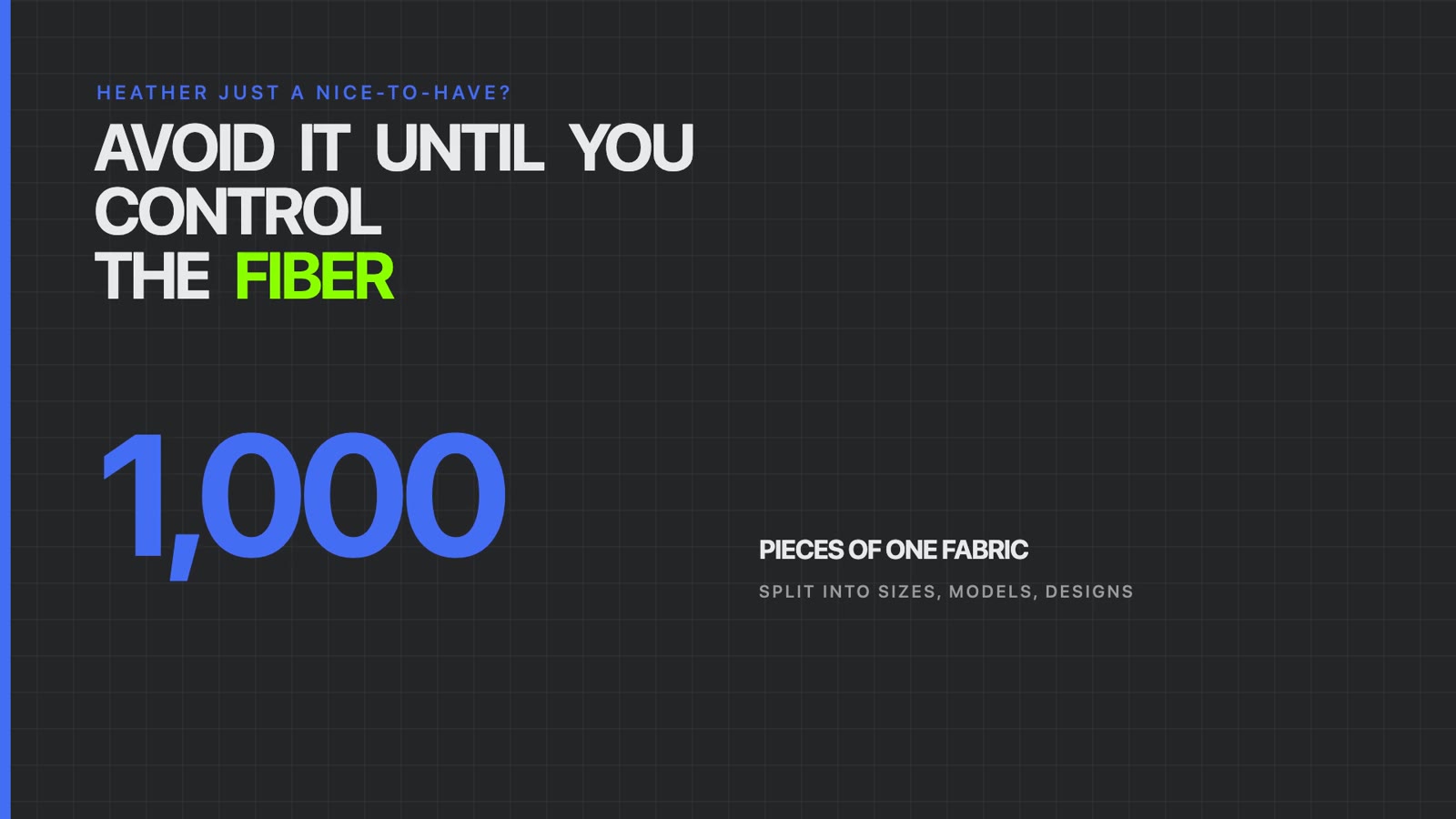
- Heather is just a nice-to-have: avoid it until you can control the fiber selection and afford a thousand pieces of one fabric. You can split those pieces across sizes, models and designs, but if that doesn't make sense yet, skip heather.
🎬 Watch the full episode. Shadi walks through all five methods with animations of each one. Watch on YouTube

Full Episode Script
This is the script of the episode as Shadi delivered it, lightly edited for reading.
Intro
Have you ever read a label on a T-shirt and noticed that for the specific shade of gray you're looking at, there's a different composition on that colorway than on all the others? You're looking at black and it's 100% cotton. You're looking at dusty pink and it's 100% cotton. But when it comes to that speckled gray, the gray you see pretty much everywhere on hoodies and streetwear, on joggers, on jackets, there's a different composition. It's a 50/50 blend.
Well, why is this? Why are you getting the same exact product, and why does the composition depend on the colorway? That's exactly what we're discussing in today's episode. We'll be looking at a bit of a mysterious type of fabric called heather, or marl, or melange. It's that speckled gray fabric you see everywhere. How is it made, and what are the pros and cons of bringing a heathered fabric into your collection, whether you're creating an activewear, sportswear or streetwear collection?
So without further ado, my name is Shadi Adada. I'm the co-founder and creative director of FittDesign, the world's first sportswear design agency, and over the last 10 years we've helped thousands of brands create quality activewear that represents their brand and their vision. A question I often get from a lot of founders is: "Shadi, what is heather, and does it make sense for me to put it in my collection?" If that's a question you've ever had, this is the episode for you.
What heather actually is
First, we have to understand what heather fabric actually is. Heather is a color effect. When you look at heathered or marled fabrics, you'll typically see two colorways in the same fabric. It often comes off as a streaky look, a stripy look, or a powdered, freckled look, where you have little flecks of gray and dark gray intertwined in the same fabric. This is also called a melange, which in French simply means mixture, so it gives you an idea of what you're dealing with.
The easiest way to look at it is Gildan's 5000 series. Their Sport Grey is 90 cotton, 10 polyester. Their Ash is 99 cotton, 1 polyester. But their heather gray colors are usually 50 cotton, 50 polyester. So the way the fabric works has to do with the fibers it's made from, and here you have cotton and polyester. That tells you a little about what's allowing you to create that blend and that mixture.
1. Fiber-dyed melange
So how do we achieve that heathered look, even if we have two different fibers? Let's break down how your finished garment is made. You have your garment, and when you break it apart, it's broken up into its pattern pieces. The pattern pieces come from finished fabric. The finished fabric is either knitted or woven from a yarn, and that yarn is spun from its raw components.
The way a melange or heather effect happens isn't at the fabric level. It's at the yarn level. It's usually where the fibers are twisted or spun together into the finished yarn that's knitted or woven into the fabric. It's almost like taking salt and pepper and mixing them together in a container, and that's how you get the heathered or peppered effect in the finished garment. It's spun into a single yarn that already has both types in it, the polyester and the cotton, and then that's woven or knitted into the finished garment.
And the easiest way to adjust the fabric is to adjust the percentages. Even if you have the same exact fibers, if they're used in different proportions, let's say 60 polyester and 40 cotton, and you knit or weave a fabric with those same fibers, you're going to get a different shade of color just because of how you're mixing them and the intensity with which you're mixing the fibers into the finished yarn.
2. Marl
Number two is the marl. With the heather, it's like taking the salt and pepper and mixing it up. With a marl effect, you take the polyester yarns, or whatever yarns you're using for the different shade, and the cotton yarns, and you twist them into single multi-colored rovings. Those yarns are what give you that stripy heather look you tend to see once it's woven or knitted into the finished garment. A marl knit is very different from a heather knit. The marl knit looks more streaky, while the heather knit looks a lot more speckled.
3. Cross dyeing
Number three is what we call double dyeing, or cross dyeing. Here you knit the fabric first, and then you apply a specific type of dye that only takes to part of the garment. Because you have cotton and polyester, there are specific dyes that only apply themselves to cotton, and specific dyes that only work on polyester. So you end up double dyeing that fabric. The first dye goes to the cotton and dyes it a specific shade, and the second dye applies to the polyester. That's how you end up with that heather look.
4. CD polyester heather
Another way is to use specific types of yarns from the same family. Let's say you want to use fully polyester yarns. You might use a regular polyester yarn that certain dyes can apply to, and then a cationic dyeable polyester, a CD polyester, that only other dyes can apply to. You may end up seeing 100% polyester on the fiber composition, but you're still getting that heather or marl effect, simply because of how the double dyeing works on the two different types of polyester yarn.
5. The printed fake
The fifth way is simply printing the heather or marl effect on. That's how you can also get a printed effect, and this is the fake way. It can be sublimated, it can be a flatbed print, it can be a digital print. But at the end of the day, if you turn the fabric inside out, you're going to notice there's no marl texture on the inside, because this isn't a yarn or a fabric finish. It's a print on top of the fabric.
It also has a tendency to peel or crack away if it's done with flatbed printing. If it's sublimation printing, you're going to limit yourself to specific types of fibers. But at the end of the day, it's a cheap and effective way to get that effect without the minimum order and without the setup, if that's something you're going for.
What it means for your brand
So what does this mean specifically for your brand? Let's say you have a print on a heathered fabric that has both cotton and polyester. Sometimes the discharge only strips the cotton, so on a cotton poly heather it can come out super patchy, and it may not look that good. The edges look very fake, very digital. That's one effect.
It's also going to increase your price if you're going for a true heather or a true marl, because this is a yarn decision, or a fabric decision. You're going to have to pay for that development cost, and at the same time you're going to have to think ahead and typically order a larger quantity, especially if you're going to yarn dyeing. Now you're working from the yarn source as opposed to the fabric source, which means you're typically looking at a thousand meters minimum with a custom dyed and custom woven or knitted fabric.
In my experience, where heather can be a really good opportunity is on thicker, heavier outerwear garments. It definitely has that look of a lot of premium garments, given that it's the more established brands that are able to do heather effectively. So it already gives your brand that cachet, and it tends to hide the inconsistencies, lint, dust, dirt, better than solid colors because of the way the heather comes together visually.
It's also very difficult to maintain color consistency across reordered lots unless you're working at the yarn level and you're really able to control what type of yarn you're using and the compositions. For that, you really need a dedicated production manager who knows how to maintain the composition, the yarns, where they're being sourced from and how they're being woven in, to make sure there's color consistency with a previously ordered batch. That way a customer who got a heather set from you last season gets the same color this season, just in a different product.
The verdict
So what's the verdict here? What is heather good for, and who is it for? If you're a startup brand just starting off and heather is one of your core focuses, it might make sense to go with pre-made heather fabrics that are available in the market, usually at lower minimum order quantities. The disadvantage is that you're generally going to get a lower grade of fabric, because that's typically what's available in pre-made fabric rolls, and you're going to struggle with color consistency across multiple orders, especially if you end up having to change fabric rolls. With pre-made fabrics, they're very inconsistent from roll to roll.
If you're looking to create the best possible product and heather isn't a concern for you, if heather is just a nice-to-have, then definitely avoid it altogether until you get to the point where you can control the fiber selection and you can afford to make a thousand pieces of a specific fabric. Of course, you can split those pieces up into sizes, different models, different designs. But if that doesn't make sense for you, avoid heather at all costs.
Work with us 1-on-1
If you guys are looking to create your next collection, whether it's in loungewear or activewear, and you're looking to get an edge on the competition, you can check out the link in the description to apply to work with us one-on-one. Within five minutes, a real human will get back to you with a personalized production roadmap on how we can help you take your idea and turn it into a physical sample in under 30 days, and what it would take all the way through bulk production.
So guys, I say this from the very bottom of my heart, thank you so much for tuning in to this episode of FittDesign TV. Until next week's episode, stay awesome.
About FittDesign
FittDesign is the world's first sportswear design agency. Over the last 10 years the team has helped thousands of brands design, develop and produce quality activewear that represents their brand and their vision, from the first sketch and tech pack through sampling and bulk production.
Ready to build your next collection?
Tell us what you're making and a real human will get back to you with a personalized production roadmap. From your idea to a physical sample in under 30 days.
Get a quote → Takes 2 minutes. No obligation.