

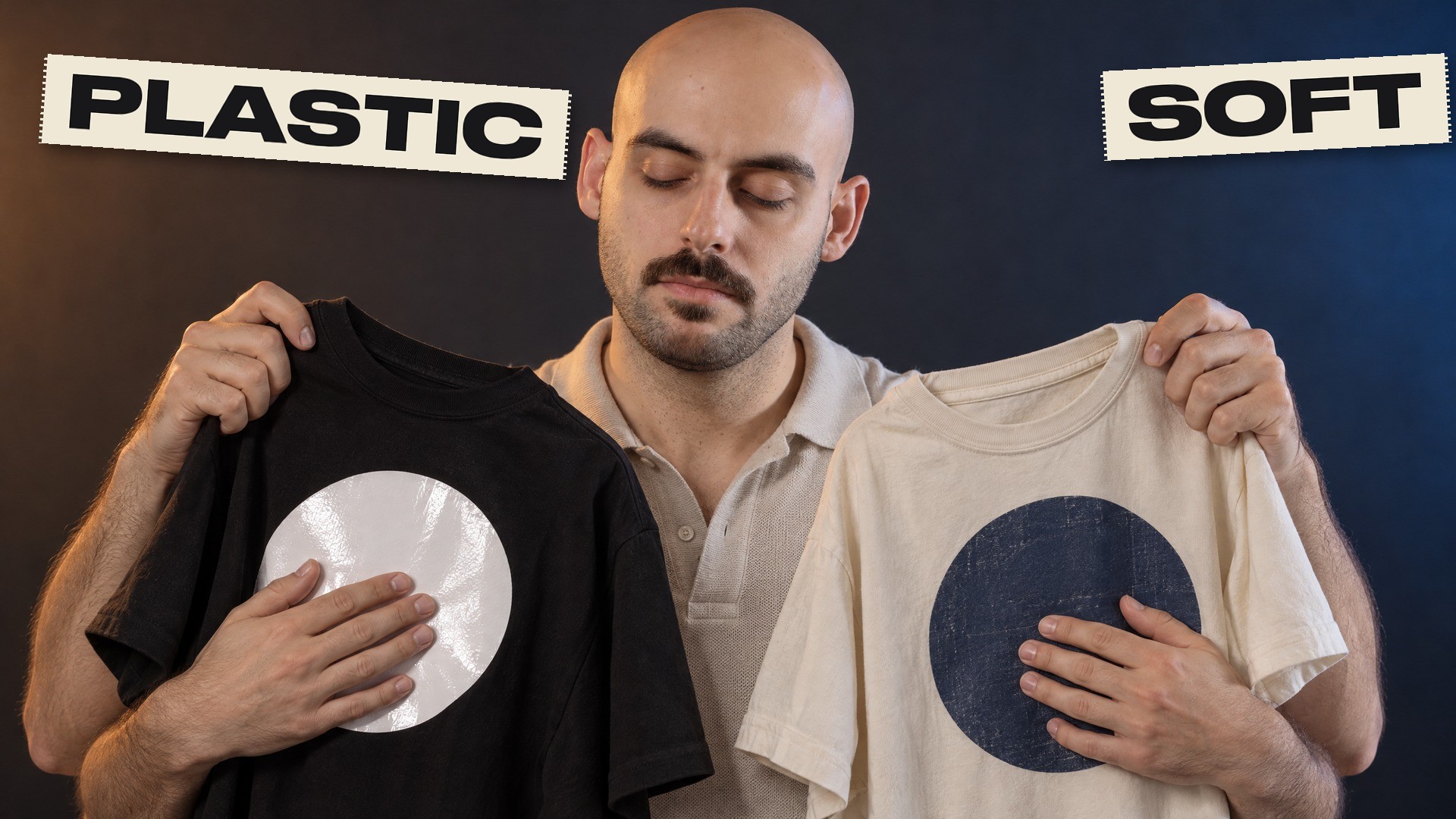
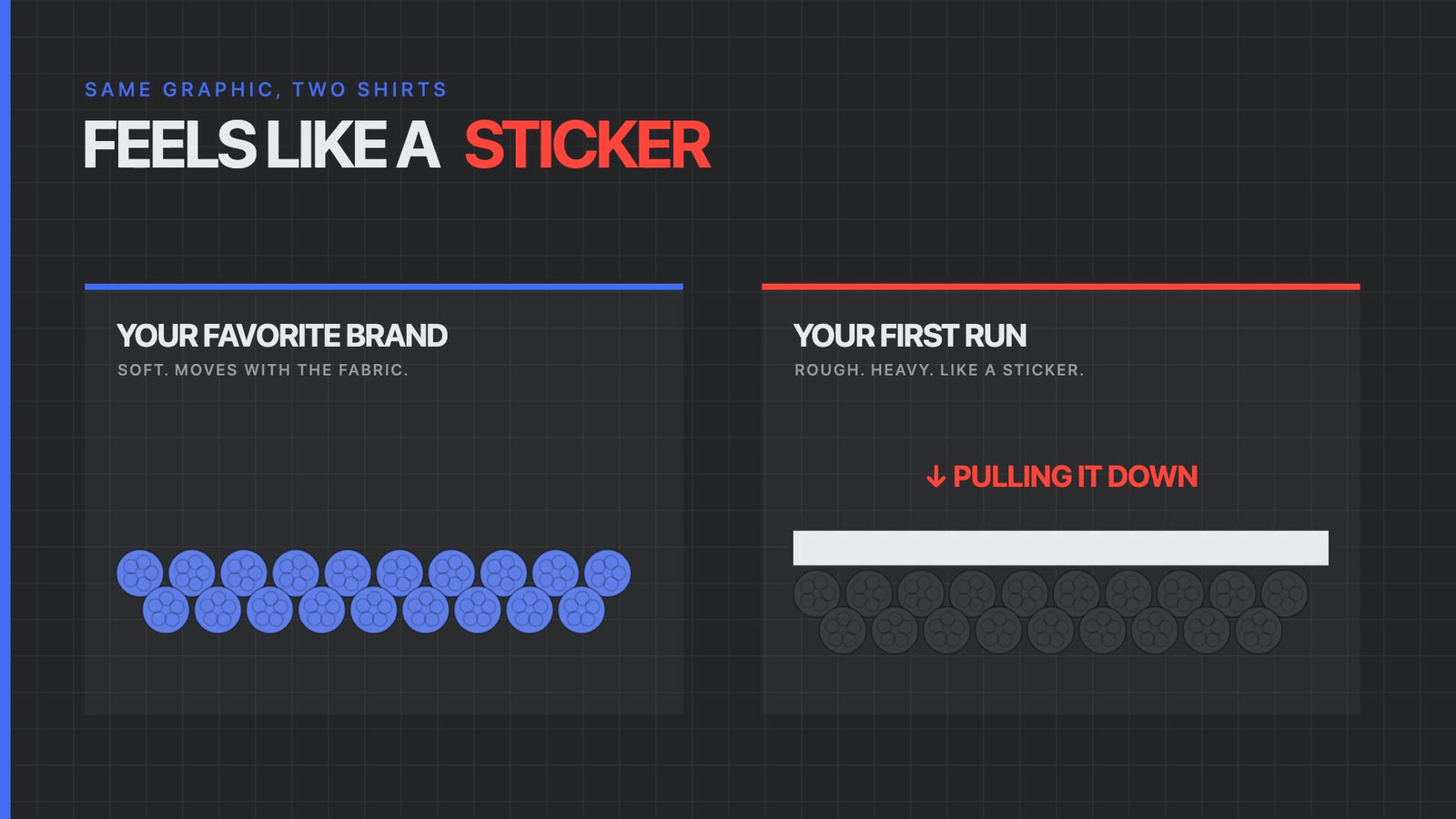
Your first 100 oversized graphic tees land, and something's off. You'd looked at your favorite brands and their big prints feel like part of the shirt. Yours feels like a sticker. It's rough, it's heavy, and it seems to drag the back of the tee down. The graphic was right and screen printing was the right call. The ink probably wasn't.
Shadi Adada, co-founder and creative director of FittDesign, has designed thousands of graphic and sportswear products over the last 10 years, across embroidery, heat transfers, sublimation and screen printing. In this episode of FittDesign TV he explains the two inks most screen prints use, plastisol and water-based, and how your fabric, your print and your base color decide between them.
The short answer: plastisol sits on top of the fabric like paint, and water-based ink soaks into the yarn like a stain. Dark base colors and synthetic fabrics usually call for plastisol. Lighter colors on mostly cotton fabric are where water-based ink shines. Settle it in your tech pack before the first print run.
Prefer to watch? The full episode is embedded at the bottom of this post, along with the complete script.
1. What Plastisol Actually Is
Plastisol is the screen print most people picture: the raised, slightly plastic, almost paint-like print on a heavy oversized graphic hoodie. The name tells you what it is. It's PVC resin powder mixed into a liquid plasticizer.
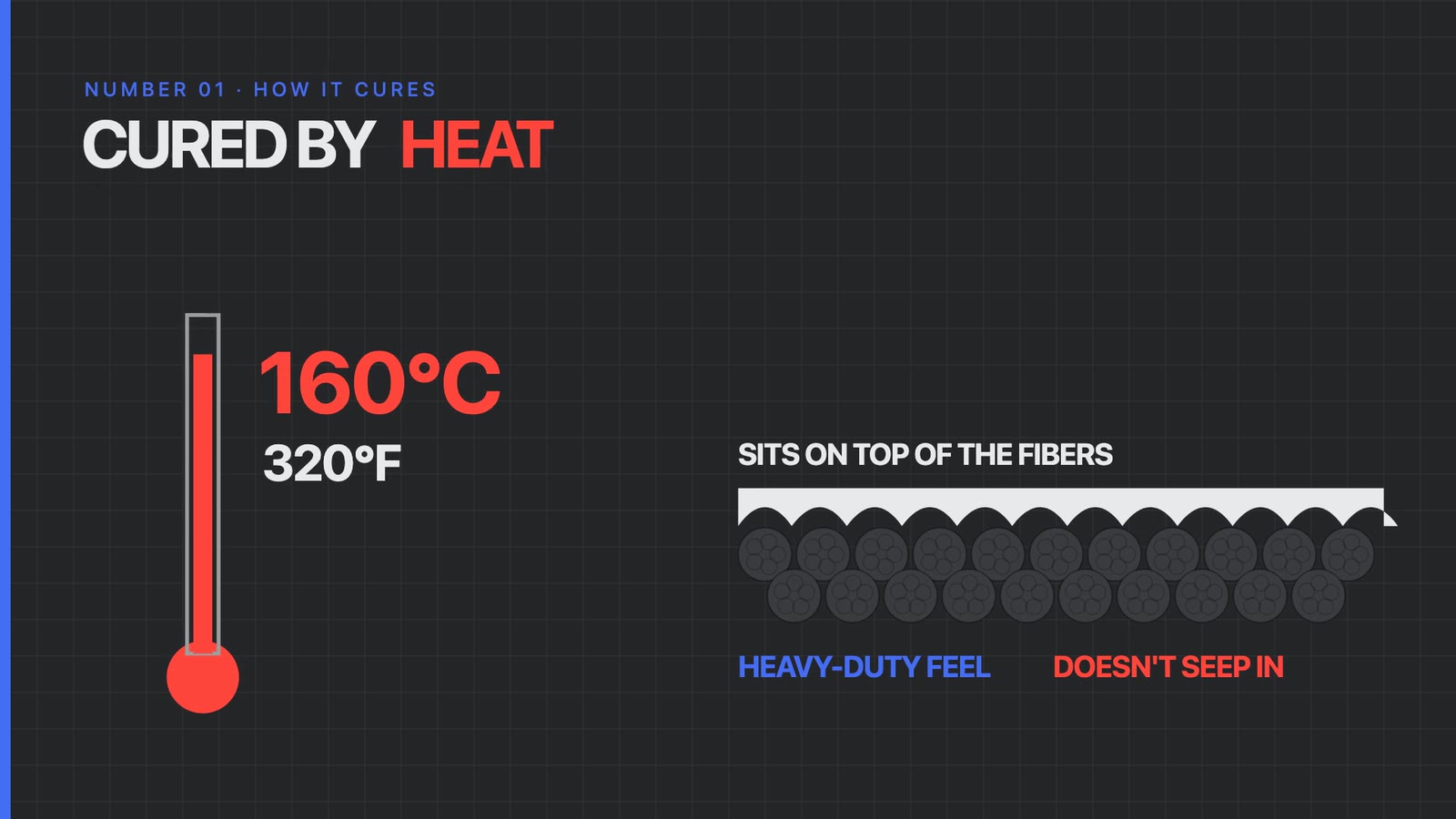
It won't dry in the air. It has to be cured with heat, at around 160 degrees Celsius or 320 degrees Fahrenheit. Once it's cured, it sits on top of the fabric rather than soaking into the fibers, which is where that heavy duty feel comes from.
2. Water-Based Ink Works the Other Way
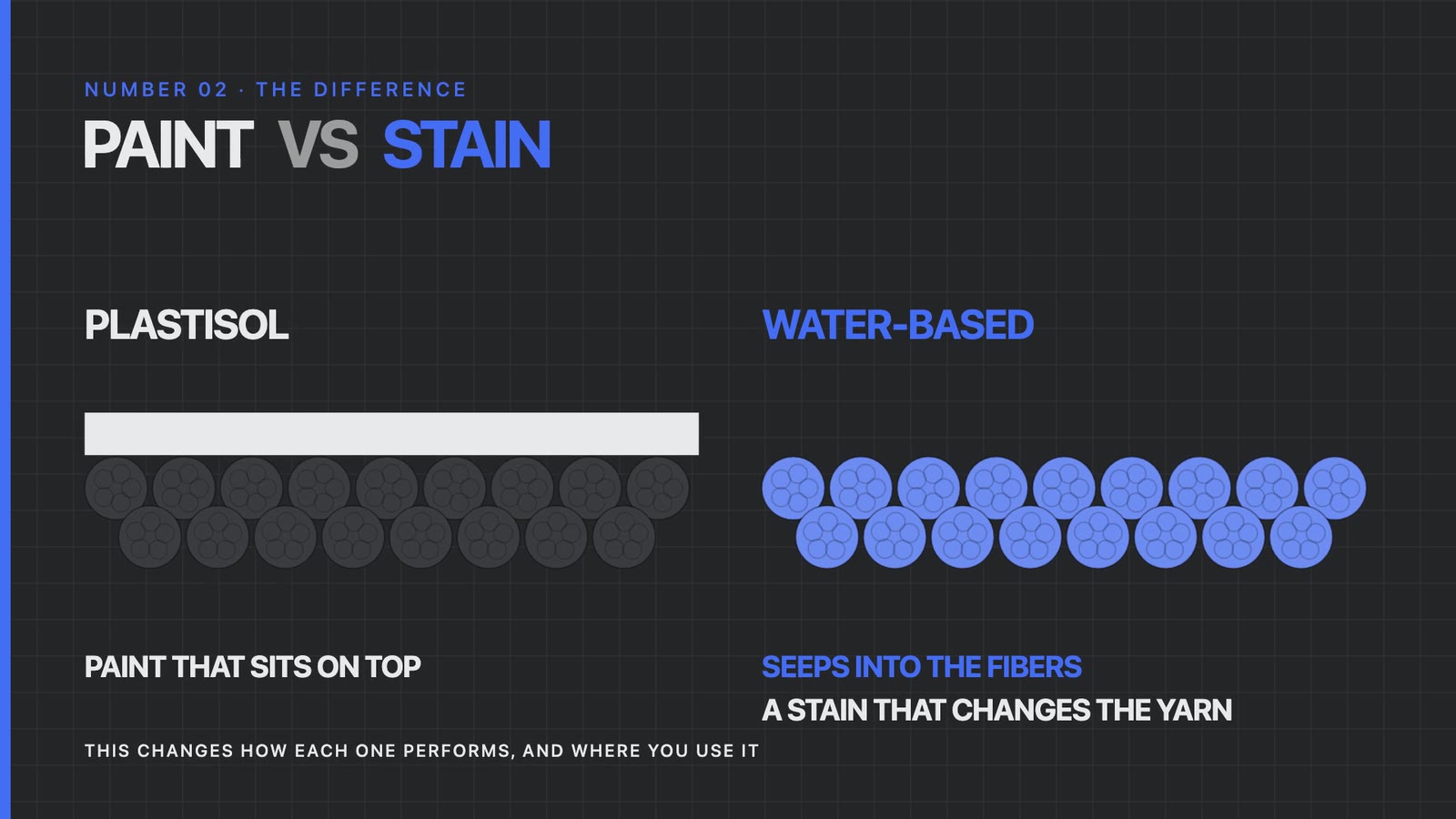
Water-based ink goes into the fibers instead of on top of them. Shadi's way of putting it: plastisol is paint that sits on the surface, and water-based ink is a stain that changes the color of the yarn itself.
That one difference changes how each ink performs and where it makes sense. A water-based print is flexible, pliable and very low profile. Plastisol is thicker and more structured.
3. Your Base Color Matters
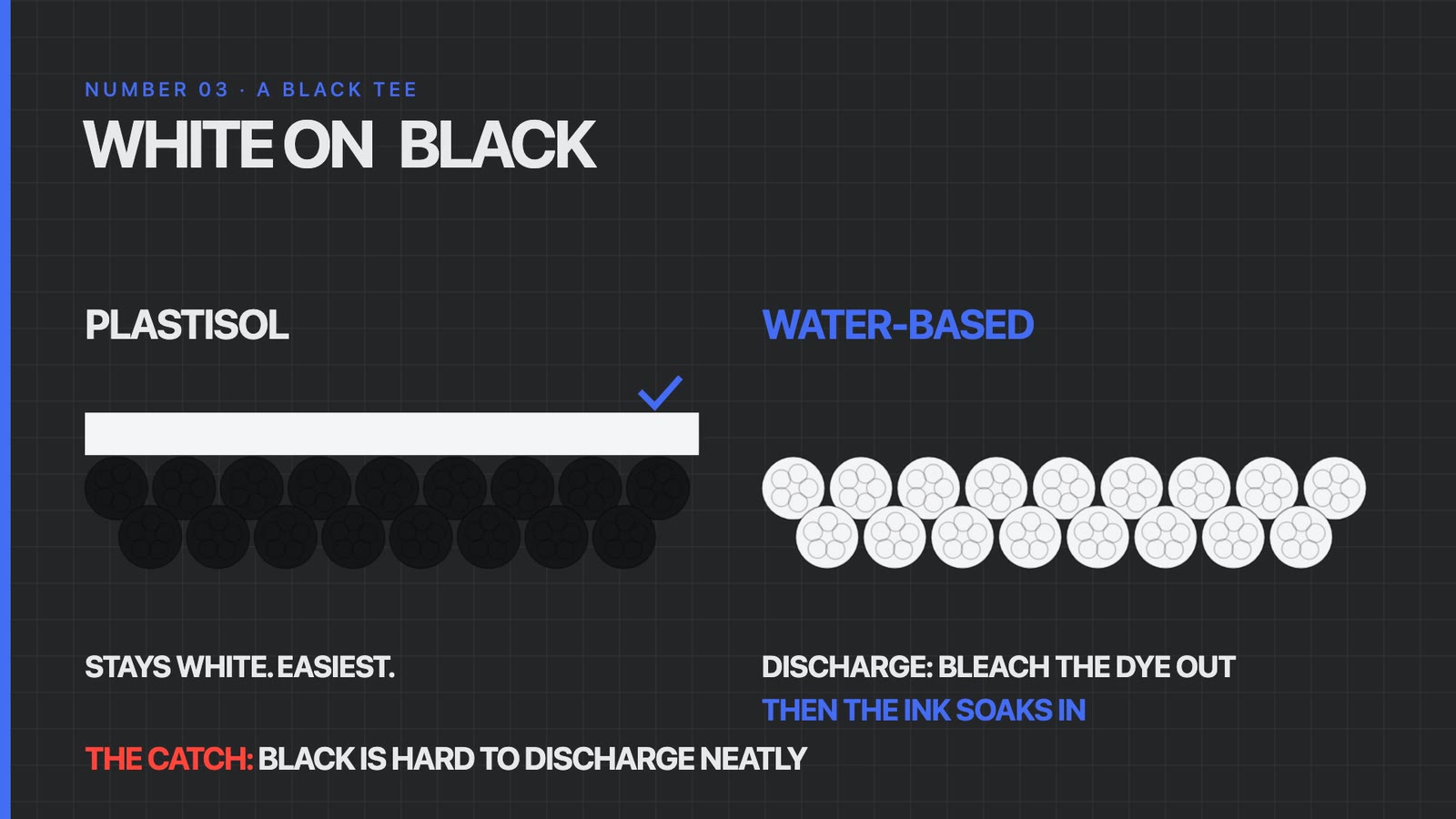
On a black tee, plastisol is the easiest print to do, because the ink sits right on top of the fiber and stays white.
Water-based ink on a dark garment needs a discharge method first. The dye in the base fabric is bleached out so the new ink can soak in and change the color. The catch is that a black base is hard to discharge cleanly. It also only works on cotton, or close to 100 percent cotton, dyed in a way that can be discharged. That limits where you can use it.
Not sure which ink suits your fabric?
We settle the fabric, the print method and the ink on paper before the first sample, so you're not finding out on your first 100 pieces.
4. Why Your White Print Turned Pink
Fabric matters as much as color. Water-based ink needs cotton fibers. Plastisol works on polyester, but its high cure temperature brings a problem of its own.
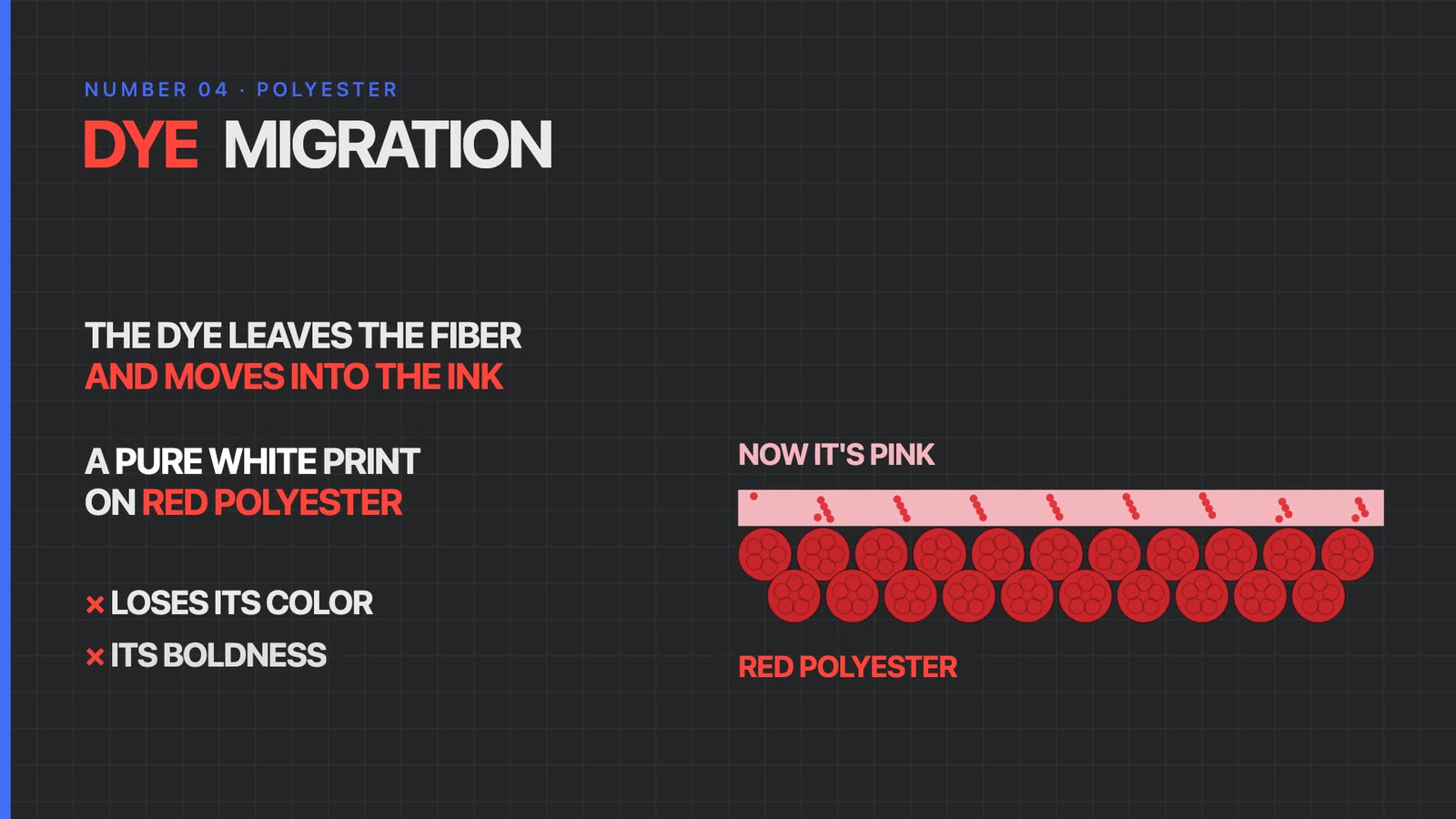
Polyester isn't as stable at high temperatures, and at a certain heat the dye in the fibers starts to leave the fabric and move into the ink. That's dye migration. Shadi's example is a pure white print on red polyester. The red bleeds into the white, and the print loses its color, its boldness and its sharpness.
If you're printing on polyester, it's worth asking your printer how they deal with migration before the run. Our DTF vs screen printing breakdown covers low cure inks and bleed blockers.
5. Check the Cure
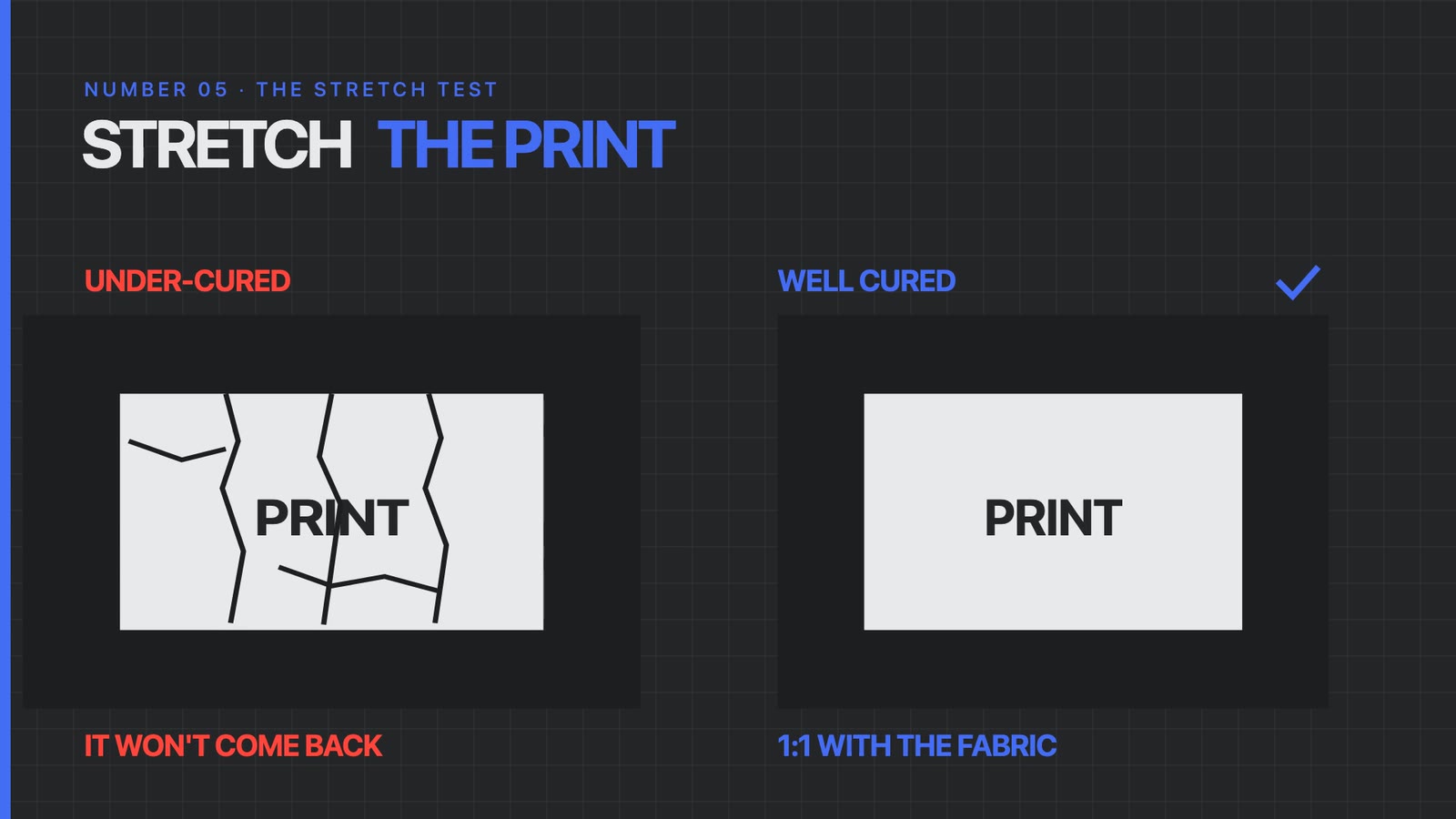
Plastisol has to be cured properly to set and solidify. If the printer doesn't use the right temperature for the right amount of time, the print cracks when the fabric stretches. It starts to peel and flake, and it won't come back.
A well cured plastisol print moves and stretches one to one with the fabric underneath. So stretch your samples before you sign off on the run.
The Verdict
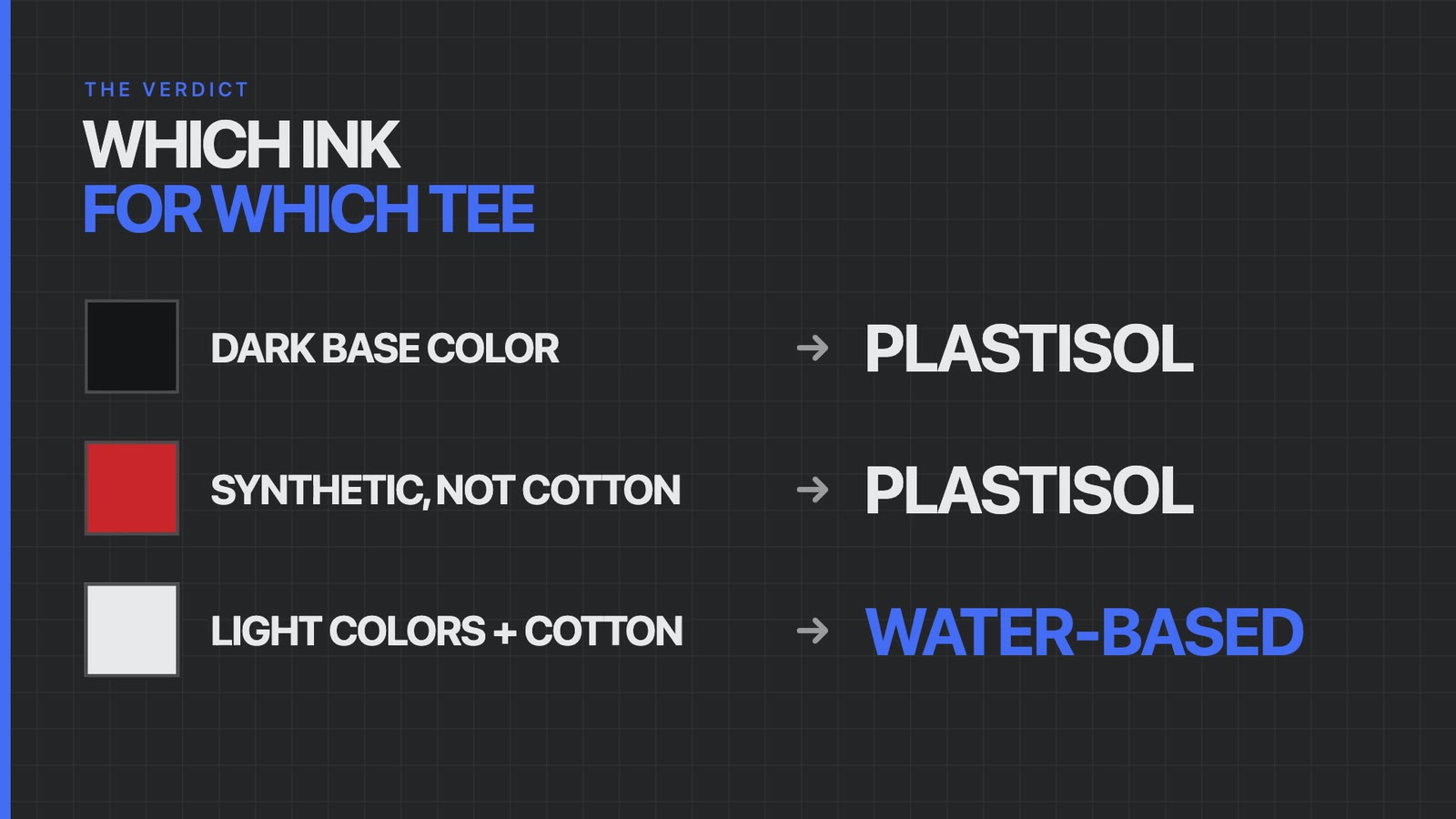
A dark base color: consider plastisol.
A synthetic fabric, not cotton: use plastisol.
Lighter colors on mostly cotton: consider water-based ink.
It also comes down to the look you want. Plastisol has a thicker, more rigid and structured feel that you can usually spot. Water-based ink gives a faded, worn in, embedded look with more of a vintage vibe. That's why so many vintage style cotton tees use water-based ink, while darker heavyweight hoodies in cotton and polyester blends use plastisol.
🎬 Watch the full episode. Shadi walks through how each ink works with the fabric cross sections on screen: https://www.youtube.com/watch?v=fd953VX63tE

Full Episode Script
This is the script of the episode as Shadi delivered it, lightly edited for reading.
Intro
So let's say your first 100 pieces of oversized graphic t-shirts land, and well, there's a difference. It didn't turn out the way that you expected. You've looked at your favorite brands and you notice they have these large oversized prints that feel perfect on the fabric, but yours almost feels like a sticker. It feels rough, and it feels like there's a weight on the back of the fabric pulling it down. It's completely different from what you expected.
What's the issue? Did you make a mistake? Is the graphic incorrect? Or did you simply choose the wrong type of ink in your screen printing method? You'd researched different types of prints and you'd landed on the perfect type of print, a screen print, one that has bold, vibrant colors with great longevity and durability, but it didn't turn out the way that you expected.
This is the difference between picking a regular water-based ink or a plastic-based plastisol ink. Which one is going to be the right one for you? It ultimately comes down to the specific fabric that you're going to use, the specific print that you're going to print, and what the base color you're printing on is going to be.
My name is Shadi Adada, and over the last 10 years I've designed thousands of products in the graphic space and the sportswear space. I've learned many things about different types of branding applications, from embroidery to heat transfer prints to sublimation prints and of course screen prints. And I always get the question: Shadi, what is the difference between a regular screen print, which most people identify as a plastisol ink print, and that flatter version of a screen print, which most people don't even know is a screen print, a water-based ink? Well, this is exactly what we're going to be discussing in today's episode. By the end of the episode, you'll understand the stark differences between both and which one is going to make the most sense based on where you're at with your product. So without further ado, let's get right into the episode.
1. Plastisol ink
So number one, we need to look at the most common type of screen print. It's the one that you think of when you see a heavy oversized graphic hoodie. It has that sort of elevated print, that sort of plastic or almost paint-like feel on it, and this is a plastisol ink.
Simply put, plastisol ink is a PVC resin powder that is mixed into a liquid plasticizer, which is where the name plastisol comes from. It won't dry in air. What it requires is a specific amount of heat to cure it, around 160 degrees Celsius or 320 degrees Fahrenheit. Once it's cured, it sits on top of the fabric, which is why it has this heavy duty feel to it, and it doesn't seep into the fibers of the product.
2. Water-based ink
Number two, we have our water-based ink. Whereas with the plastisol ink the ink sits on top of the fibers, with a water-based ink it seeps into the fibers themselves. So you can think of a plastisol ink as paint that sits on top, whereas you can think of a water-based ink as a stain that stains and changes the color of the yarn. And this fundamentally changes the performance and the use case of each of these two inks.
3. The base color
Number three: when thinking about which to use, it comes down to a variety of different aspects, and one of the main things is the base color the print is going to be applied on. With a black t-shirt, the easiest print to do is a plastisol ink, because the ink sits directly on top of the fiber. Whereas a water-based ink requires a discharging method, where the color of the base fiber is almost bleached to allow the ink to seep into those fibers and change the color.
The disadvantage there is that if you have a black color, that base becomes very difficult to neatly discharge, to remove the original dye from the base garment. And if it's not 100 percent or close to 100 percent cotton, it's very difficult to use water-based inks, because water-based inks are only applicable onto cotton fibers, and specifically cotton fibers that have been dyed a specific way. So it really limits your application. But if it does have those mechanics, then a water-based ink is going to be the perfect solution for something that you want to be flexible, pliable and much more low profile than the thicker and more structured feel of plastisol ink.
4. The fabric
Number four is that which one you should be using also comes down to the fabric that you've used. As we mentioned, 100 percent cotton fabrics and fibers are what allow water-based inks to adequately discharge the fiber color before applying your new color with the water-based method.
With a plastisol ink, because of the high temperature used in curing, fibers that are not as stable at higher temperatures, like polyester, can show what is known as dye migration. At a specific temperature, the polyester fibers begin to discharge the color in their fibers, and that can transfer onto the ink itself. So what you notice is, if you have a pure white print on a red polyester fabric, the red transfers onto the white print, which causes it to lose its color, lose its boldness and lose its sharpness.
5. Check the cure
Number five is that you also need to check the cure, because with a plastisol ink you have a specific curing method. Heat is applied, and that sets the ink into place so it forms and solidifies. If it's not cured correctly, if they're not using the right temperature for the right amount of time, what can easily happen is that when you stretch the screen print, it will crack. It will start to peel, almost start to flake, and it won't come back. A really well cured plastisol ink on a fabric moves and stretches with the fabric, with one to one flexibility and movement with the fibers being stretched underneath.
The verdict
So what's the verdict? Should you use plastisol inks or water-based inks? The real question comes down to this. If you have anything with a dark base color, then consider plastisol. If you have anything using a synthetic fiber that's not cotton based, then you should be using plastisol. If you're using predominantly lighter colors and cotton is the predominant fiber in the fabric, then consider water-based inks.
Plastisol inks have a much thicker, more rigid and structured feel. You can kind of tell when someone is using a plastisol ink. A water-based ink has a much more faded, worn in, embedded look that gives the garment more of a vintage vibe. So you tend to notice that a lot of vintage worn in t-shirts use water-based inks because they're cotton based, versus a lot of the cotton polyester blend heavyweight hoodies in darker colors that have to use plastisol inks, simply because of the use case.
If you're looking to create your own graphic items, whether it's an oversized t-shirt, a lounge set or a pair of shorts, and you're wondering what is going to be the best option for you, you can check out the link in the description to apply to work with us one on one. Within five minutes, a real human will get back to you with a personalized production roadmap on what it's going to take to take your idea and put a physical sample in your hands in around 30 or 35 days. And guys, I say this from the very bottom of my heart, thank you so much for tuning in to this episode of FittDesign TV. Until next week's episode, stay awesome.
About FittDesign
FittDesign is a full-service sportswear design and production studio. We take brands from an idea to a properly designed product and a real sample in their hands in 30 to 35 days, with the fabrics, print methods and inks settled before anything gets made.
Ready to make your own graphic pieces?
Whether it's an oversized tee, a lounge set or a pair of shorts, tell us what you're making. A real person will come back to you with a personalized production roadmap.
Get a quote → Takes 2 minutes. No obligation.


