

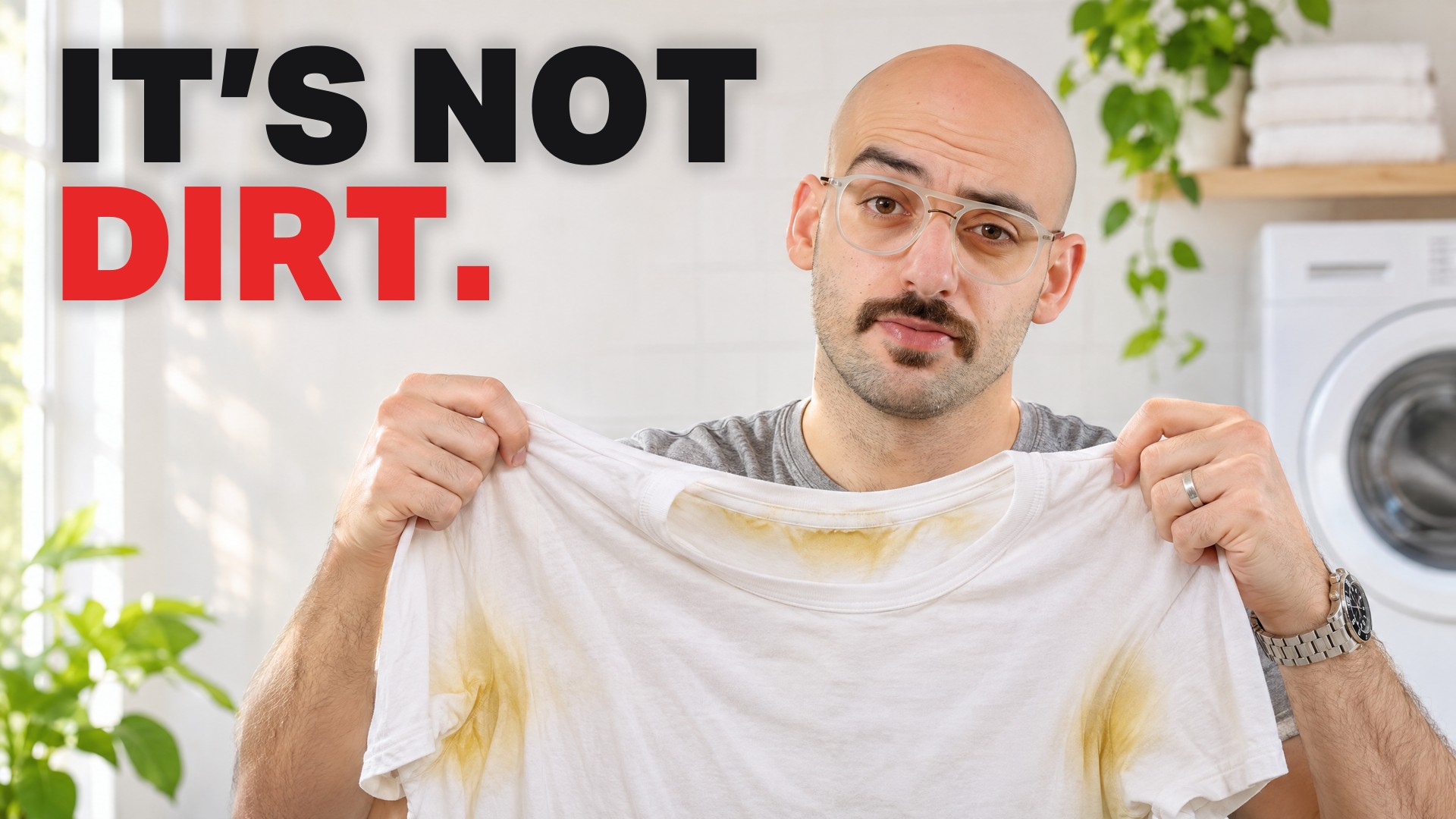
You buy three brand new white gym tees, same day, same pack, same retailer. You wash them, and the more you wash them, the worse they get. The armpits go yellow. The back of the collar goes yellow. The front of the collar goes yellow. And the harder you scrub, the faster your favorite white gym tee turns into a shirt you wouldn't even use as a rag.
Shadi Adada, co-founder and creative director of FittDesign, has spent the last 10 years helping thousands of brands design, develop, sample and produce quality activewear. In his experience, some colors and materials are far more delicate than others, and white polyester is one of the hardest to keep looking good. Here's what's actually turning it yellow, and how to stop it.
The short answer: Yellow isn't dirt. It's skin oil that stays in the fabric wash after wash, made worse by polyester, antiperspirant, fading optical brighteners and chlorine bleach. Treat the oil, not the dirt, and put the right care instructions in your tech pack.
Prefer to watch? The full episode is embedded at the bottom of this post, along with the complete script.
1. Grey and Yellow Are Two Different Problems
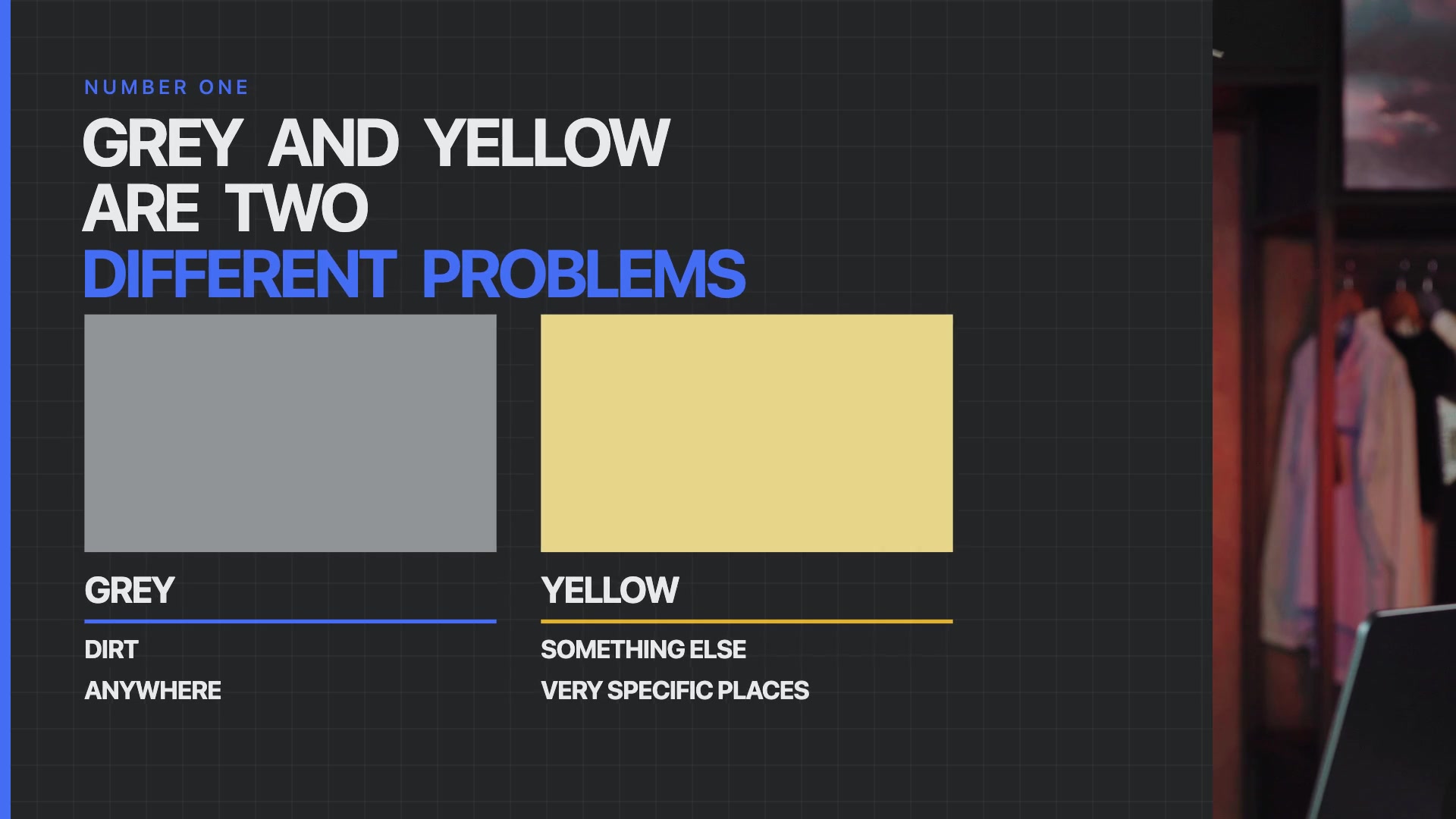
Most people look at a yellow stain on an activewear piece and assume it's dirt. But if it was actually dirt, the shirt would be grey. Grey and yellow are two very different problems with two very different causes.
Grey shows up anywhere dirty hands, a wall or the ground touch your shirt. Yellow shows up in very specific places:
- The armpits
- The neckline
- The back of the collar
So the question isn't how dirty the shirt is. It's what's causing the stain where you can't see it, and the answer is that it isn't coming from the outside. It's coming from the inside.
Think of a frying pan you use with oil. If you don't scrub it completely clean every time, the oil solidifies and builds up a residue on the surface over time. Your shirt works the same way.
2. It's Your Skin Oil
The oil on the surface of your skin is called sebum, and it's what causes the yellowing. Every wash leaves a little behind, it builds up over time, and you never fully get rid of it.
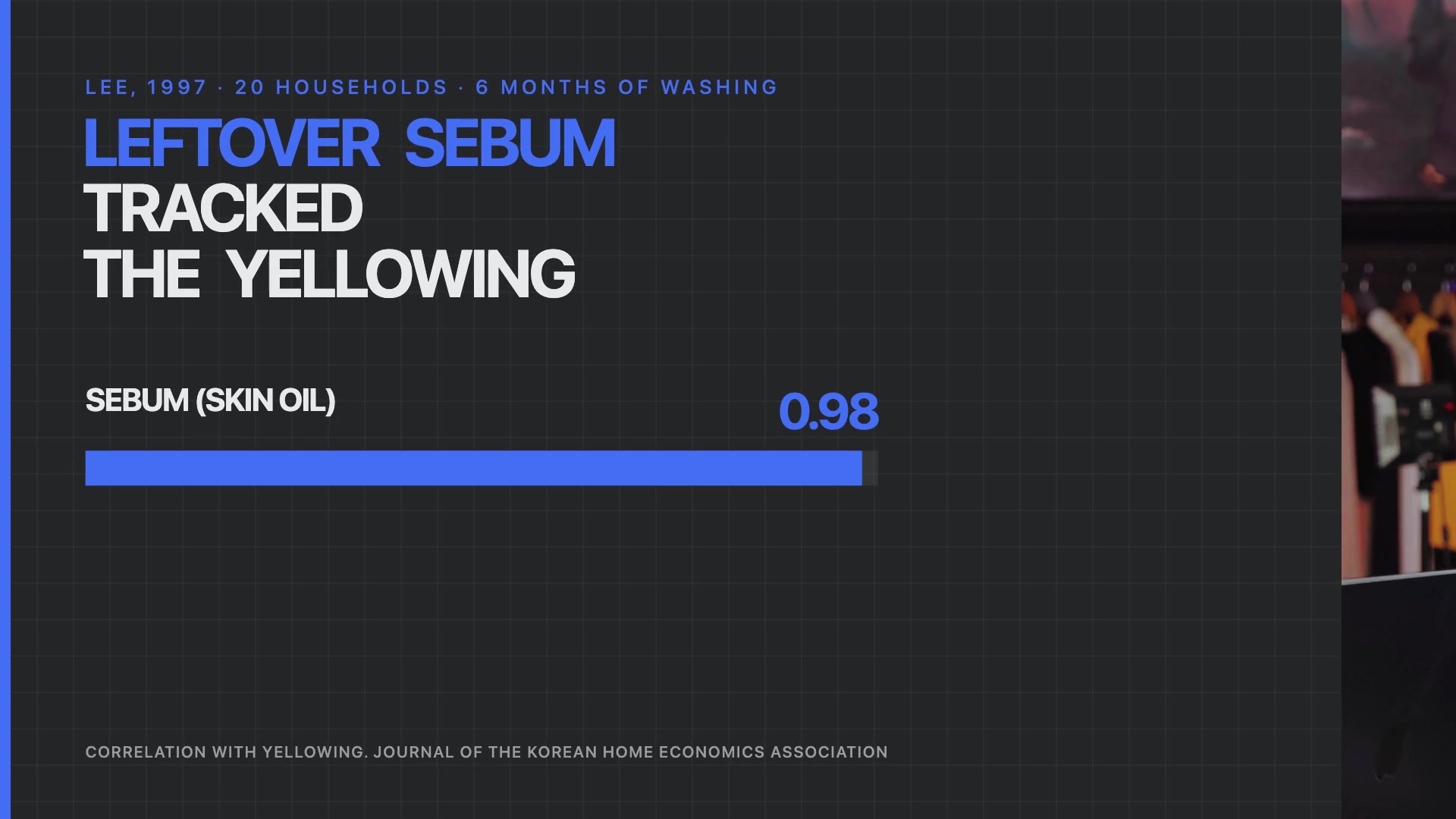
The research backs this up. In one study, leftover sebum tracked the yellowing of the fabric at a correlation of 0.98. Protein soil, the sweat and skin side, came in at around 0.58. So sebum is the most common and the most potent part of what turns a white shirt yellow.
It doesn't show up straight away. A 1970 study found oil alone didn't yellow cotton until after the fifth wash. On some fabrics you'll notice it sooner than others, but it shows up eventually.
3. Why Polyester Goes Yellow First
Most gym tees are made from synthetic fibers, not cotton, because they wick moisture away from the skin and dry really fast. They're also cut close to the body, so the sebum on your skin meets the fabric much more readily.
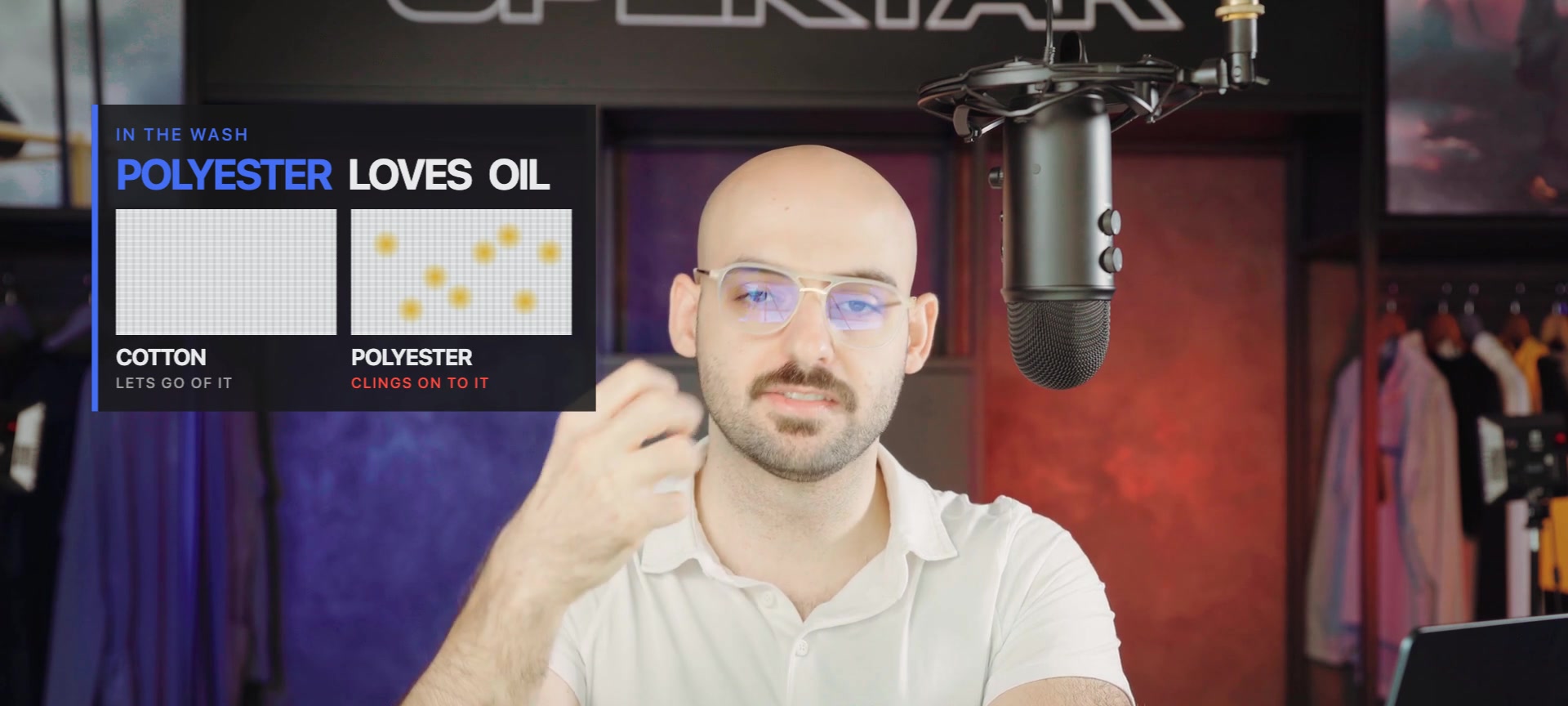
The problem is that polyester loves oil. Its petroleum based makeup holds on to those oils in the wash much more than cotton does. Cotton lets go of the oil when you wash it. Polyester clings to it, and that makes the sebum much harder to wash out.
It's the same reason your polyester tees start to smell faster than cotton ones. Shadi covers that in detail in why your gym clothes smell worse after a wash.
Making a white gym tee for your brand?
The fabric, the color and the care label all have to be settled before the first sample, or your customers will blame your brand for the yellow pits.
4. The Stick in Your Bathroom
Grab your antiperspirant and look at the active ingredient. It's usually aluminum something: aluminum chlorohydrate or aluminum zirconium. That ingredient temporarily plugs your sweat glands, so less sweat comes out of your pores.
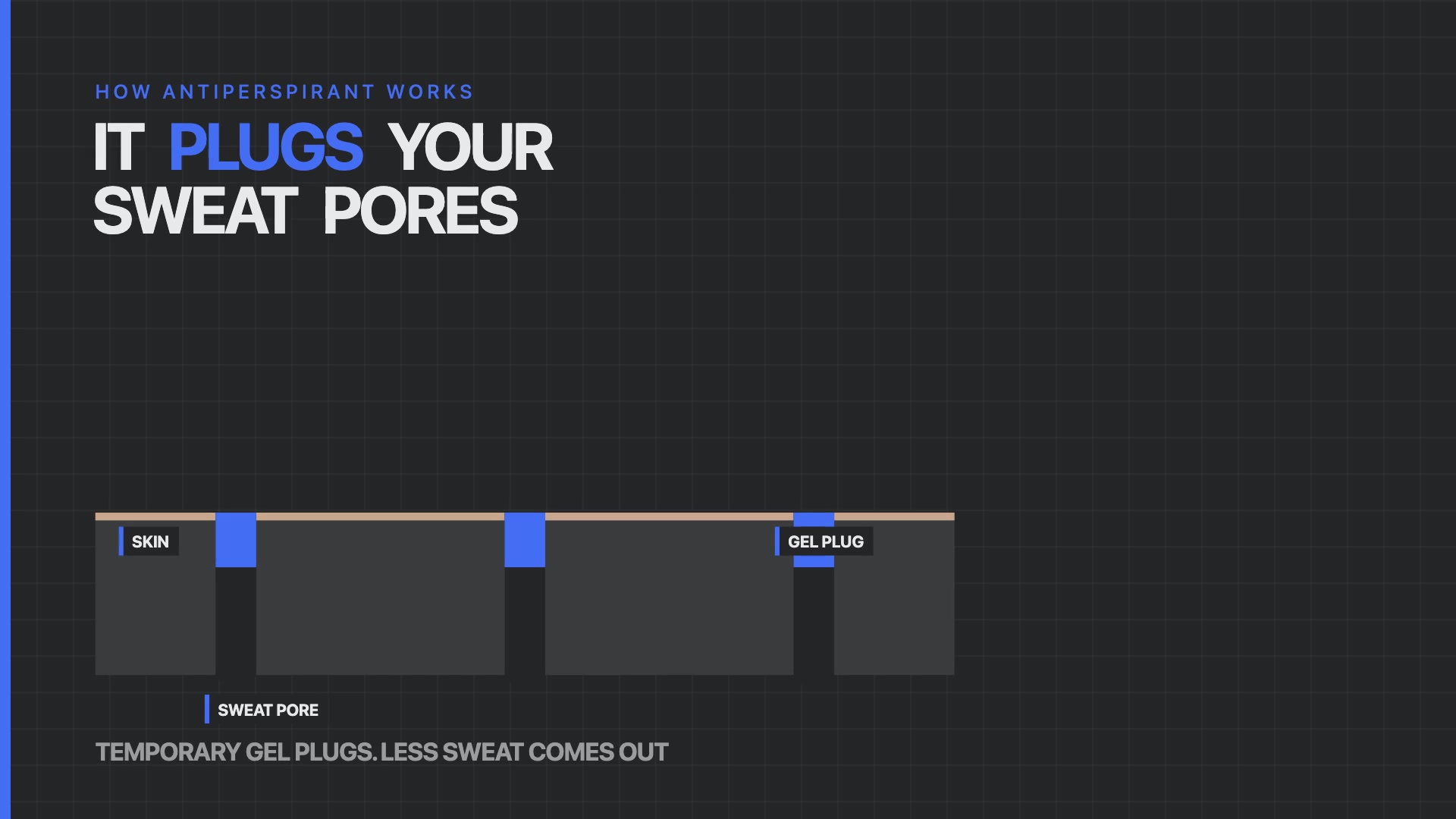
The issue is that the same active ingredient helps build those crusty yellow stains you see on dress shirts and activewear over time. The thing you put on to prevent sweat is making the yellowing worse.
The easy fix: let your antiperspirant dry before you put your shirt on. Dry antiperspirant is far less likely to transfer onto the fabric than wet.
5. Your New White Tee Is Glowing
A brand new white tee looks brilliant the first time you wear it. By the fifth wear, you, or your customer, can read the difference as a drop in quality.
Sometimes that has nothing to do with the yellow stains. A lot of new white tees have optical brighteners that exaggerate how white the fabric looks for a while. Those brighteners wear away over time, and the shirt starts to look more yellow even if you never wore it. Part of it is an illusion.
6. The Bleach Mistake
This is the one that makes it worse. A lot of the bleach on the market uses chlorine, and a lot of gym tees have elastane, aka spandex, in them. Chlorine and spandex don't get along.
Over time the active ingredient in chlorine bleach reacts with the spandex. The shirt yellows, and the spandex loses its shape retention, so the shirt doesn't perform as well, doesn't hold its shape as well and loses its luster.

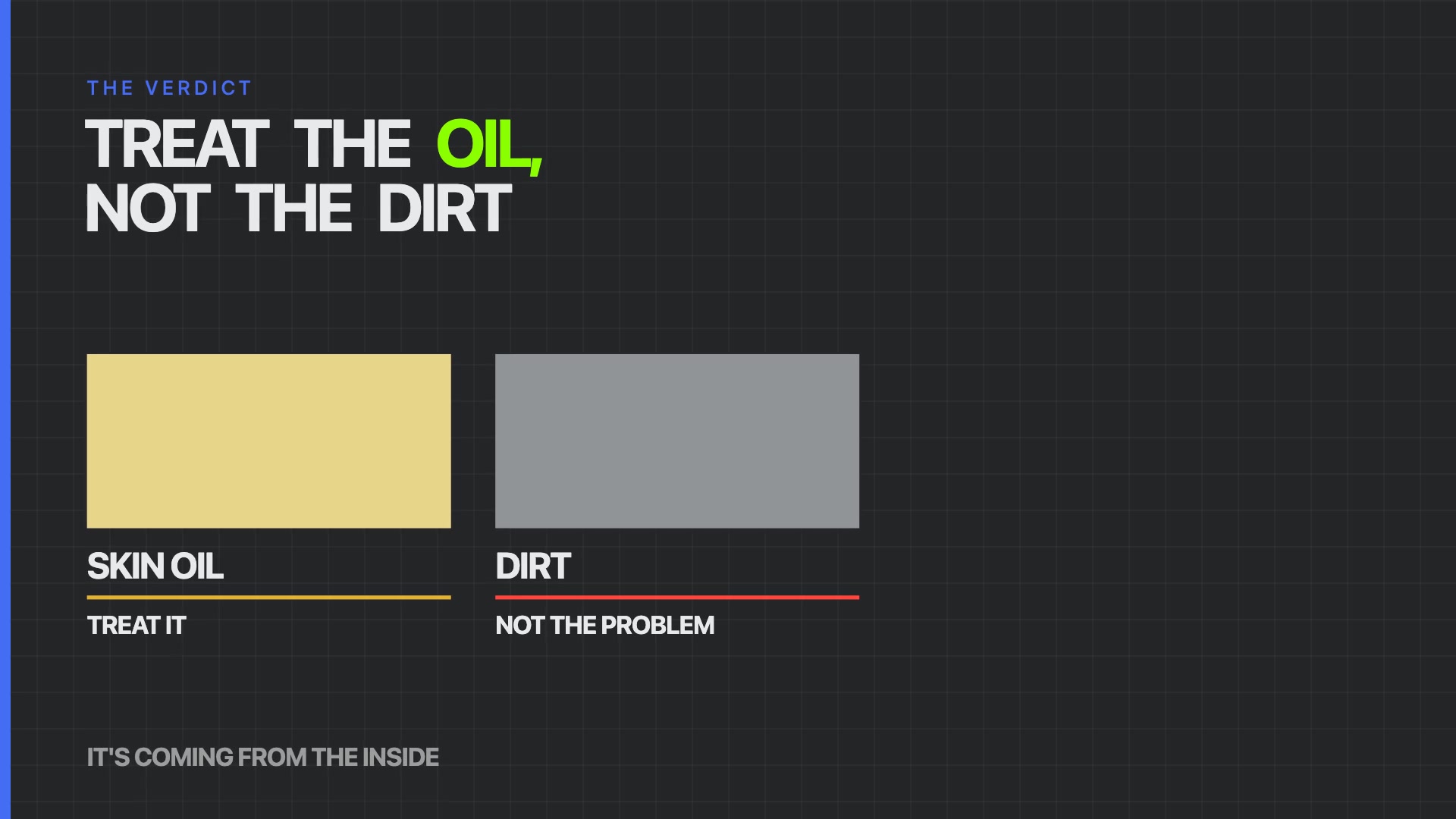
The Verdict: Treat the Oil, Not the Dirt
Whether you're picking up your next pack of gym tees or you're a brand that doesn't want to be on the hook for how customers wash them, treat the yellowing as a product of oil, not dirt. It's coming from the inside.
- Rub a little detergent into the pits and the back of the neck before every wash.
- Wash as warm as the label allows. Warmer water breaks the oils down and washes them away much more readily.
- If you use whiteners, use oxygen bleach, never chlorine, especially on anything with spandex.
- Let your antiperspirant dry before you put the shirt on.
🎬 Watch the full episode. Shadi breaks down the five causes of yellow gym tees and the four step fix. Watch on YouTube

Full Episode Script
This is the script of the episode as Shadi delivered it, lightly edited for reading.
Grey or yellow?
So let's just say that you bought three brand new, sparkling white gym T-shirts. Same day, the same pack, the same exact retailer. You put them in the wash, and the more that you wash them, the worse they get. Specifically, you notice this yellowing that's happening on the armpits, the back of the collar and the front of the collar, and you think to yourself: is this dirt, or is this something else?
And the more that you wash it, the more that you scrub, the more your favorite white gym T-shirt becomes a throwaway T-shirt that you wouldn't even use as a rag to mop the floor with. Why is this? Well, that's exactly what we're going to be discussing on today's episode.
My name is Shadi Adada, and over the last 10 years I've literally helped thousands of brands design, develop, sample and produce quality activewear. What I've learned through my experience is that when it comes to clothing, there are some colors and some materials that are way more delicate than others. Specifically, white polyester can be a pain to market, and also for your customer to maintain its durability and its presentation long term. And at the end of the day, they won't blame themselves. They'll blame you.
So whether you're a customer looking to pick up your next favorite white gym compression T-shirt and you want to keep it looking fresh, or you are a brand looking to produce quality activewear and launch the staple white colorway, and you don't want refunds, chargebacks and angry customer reviews because of the yellowing stains on the armpits and the neckline, this is going to be the episode for you. So without further ado, let's get right into the episode.
1. Grey and yellow are two different problems
Number one, we have to understand that grey and yellow, when it comes to these stains that we see on activewear, are two very different problems. Most people will look at yellow stains on an activewear piece and immediately think to themselves that this is dirt. But if it was actually dirt, this would be grey. And grey and yellow are two very different problems caused by two very different antagonizers.
The yellow, if you notice, shows up in very specific places. It shows up in the armpits, it shows up on the neckline and on the back of the collar. So why are those areas more prone to the yellow staining, whereas with grey you might see it anywhere dirty hands or a wall or the ground touches your shirt? Well, that's because again, they're two very different problems.
The question isn't necessarily about how dirty your shirt is getting. It's about what's causing the dirt in a way where we can't see it. And actually, the answer is that it's not coming from the outside. It's coming from the inside.
Think, for example, of a frying pan that you're using oils on. The more that you use it, if you don't scrub it completely clean every single time, those oils will end up solidifying and building up a residue on the surface of the frying pan over time. Well, it's the oils on the surface of your skin, which is what's called sebum, that are actually causing this yellowing effect. Wash over wash, that yellowing builds up, because you never actually get rid of it when you wash the product.
2. It's your skin oil (sebum)
Studies show that leftover sebum correlated with the yellowing on the surface of the fabric at 0.98. So there is a very strong correlation between sebum and the yellowing. When you look at protein soil, the sweat and the skin side, the correlation between those residues and the yellow effect was around 0.58. So it's sebum that is specifically the most common and the most potent component of what causes the yellowing effect on the surface of the fabric.
And if it doesn't show up right away, a 1970 study actually showed that oil alone didn't yellow the cotton until after the fifth wash. So on some fabrics you might actually notice the effect much sooner than others, and regardless, it will show up eventually.
3. Why polyester goes yellow first
So then your question here might be: Shadi, why does it show up on polyester first? Because with activewear we're using synthetic fibers. We're typically not using cotton for gym T-shirts, and you are very likely to have a gym T-shirt that's cut close to the skin, where the sebum on the surface of your skin is going to interact with the fabric much more readily.
So why does polyester have this effect in an exacerbated way? Well, like we know, most gym T-shirts are made out of synthetic fibers. They wick moisture away from the surface of the skin and they dry really fast. The problem is that polyester itself loves oil. The petroleum based components of polyester love oil. And because they love oil, they will hold on to those oils when you wash them much more readily than cotton.
Cotton is much more ready to get rid of those oils when you wash it. Polyester clings on to it, almost cherishes it, keeps it, and it's much more difficult to scrub the oils from sebum out when you are washing it.
It's also the reason that your polyester T-shirt or your synthetic fiber T-shirts start smelling much faster than their cotton counterparts. We've done a previous episode that takes you through how gym T-shirts have a smell that is much more potent and builds up much faster than traditional cotton and natural fiber based apparel.
4. The stick in your bathroom
One of the main issues as well is what you use as antiperspirant. If you look at a typical roll-on deodorant, grab your favorite deodorant, what you'll notice as the active ingredient is typically an aluminum something. It could be aluminum chlorohydrate, it could be aluminum zirconium, but regardless, it is aluminum based.
What happens is that the active ingredient temporarily plugs your sweat glands, so less sweat comes out of your pores. That's how an antiperspirant works. But the issue is that the active ingredient also helps to proliferate those crusty yellow stains that you sometimes see on dress shirts and activewear shirts over time. So it's also being exacerbated by the very thing that you're putting on to prevent excess sweat, which would actually end up washing out the oils that cause the yellow stains.
The easy fix here when using antiperspirant is something a lot of people don't think about. It comes down to when you put your antiperspirant on: actually let it dry before putting your shirt on. Dry antiperspirant is much less likely to transfer onto the surface of the fabric. When it's wet, it's just much easier to transfer and to wear off of your skin.
5. Your new white tee is glowing
The next thing that we have to understand is why your white T-shirt, when you buy it for the first time, is absolutely glowing. It's the contrast between when you wear it for the first time and when you wear it for the fifth time that you, or your customer, might see as a degradation in the quality of the product.
Sometimes it has nothing to do with the yellow staining effect. It simply has to do with the over whitened effect of a brand new T-shirt, and sometimes it can be exaggerated, because a lot of new white T-shirts have optical brighteners that exaggerate the brightness of the white for a period of time. Then those optical brighteners wear away over time, which makes the shirt look more yellow, even though the effect isn't coming from the oils on your skin.
So you're looking at it saying, oh, whatever's happening with the armpits is also causing the entire shirt to become less white. But it's just an illusion, in the sense that the shirt itself, even if you didn't wear it, would get less white over time as those optical brighteners wear off.
6. The bleach mistake
Last but not least, it comes down to how you wash your shirt. A lot of white T-shirts are heavily affected by the bleaches that you use, and this one really makes it worse, because a lot of the bleach that you see on the market uses chlorine. And a lot of gym T-shirts have elastane, or spandex, in them. Chlorine really does not like spandex, or spandex doesn't really like chlorine.
So what happens over time is that the active ingredient in the bleach reacts with the spandex, which causes a yellowing of the shirt, and it also reduces the shape retention ability of the spandex. So not only do you get a shirt that doesn't perform as well and doesn't hold its shape as well, but over time it also begins to lose its luster, as the chlorine in the bleach reacts with the spandex and causes a degradation and a yellowing of the fabric overall.
The verdict: treat the oil, not the dirt
So what's the verdict here? Whether you're a consumer looking to pick up your next pack of gym T-shirts, or you're a brand that doesn't want to be on the hook for the way that customers are using their shirts, you need to treat the yellowing as a product of oil, not necessarily of dirt. It's not what's happening from the outside. It's what's happening from the inside.
So what you want to do as a customer is rub a little bit of detergent into the pits and the back of the neck before every wash. This is one very easy way to target those spots specifically and give them more care and attention than the rest of the shirt, where they need it.
At the same time, you need to wash as warm as the label allows, because warmer water actually allows the oils to break down and be washed away much more readily. And if you are using whiteners or bleaches, try to use oxygen bleaches and never chlorine bleaches, especially on something that has spandex in it.
And then also let your antiperspirant dry before you actually wear your shirt, to prevent super fast transfer from the antiperspirant on your armpit onto the fabric itself.
Work with us 1-on-1
So hopefully this has helped you, whether you're a customer looking to pick up your activewear or you're a brand looking to create quality activewear. And if you're actually in the market to build quality activewear that's custom made, and you want a step by step guide on how to take your idea and turn it into a perfect physical sample, so that you can test your product without the hassle, with low MOQs and competitive pricing, you can check out the link in the description to apply to work with us one on one.
We take a limited number of projects every single month, simply because our factory doesn't have the capacity to take on a lot of smaller orders, so we take them on a first come, first served basis, and this month we're opening up three more spots. So check the link in the description. Within five minutes of you submitting your inquiry, a real human will get back to you with a personalized production roadmap on if we can, and how we can, help you take your ideas and turn them into a physical product in 30 days or less.
And guys, I say this from the very bottom of my heart, thank you so much for tuning in to this episode of FittDesign TV. Until next week's episode, stay awesome.
About FittDesign
FittDesign is a sportswear design agency. The team helps brands design, develop and produce quality activewear, sportswear and streetwear, from the first sketch and tech pack through sampling and bulk production.
Ready to launch a white tee that stays white?
Tell us what you're making and a real human will get back to you within five minutes with a personalized production roadmap. From your idea to a real physical sample in your hands in 30 days or less.
Get a quote → Takes 2 minutes. No obligation.