

Hoodie Trims Ranked From S Tier to D Tier: What's Worth Paying For
You've got the body fabric settled, the fit is close, and now the factory sends over a trim list. Eyelets, cord ends, labels, tape, zips, tags. Every line costs a few cents, every line looks optional, and it's hard to tell which ones your customer will ever notice.
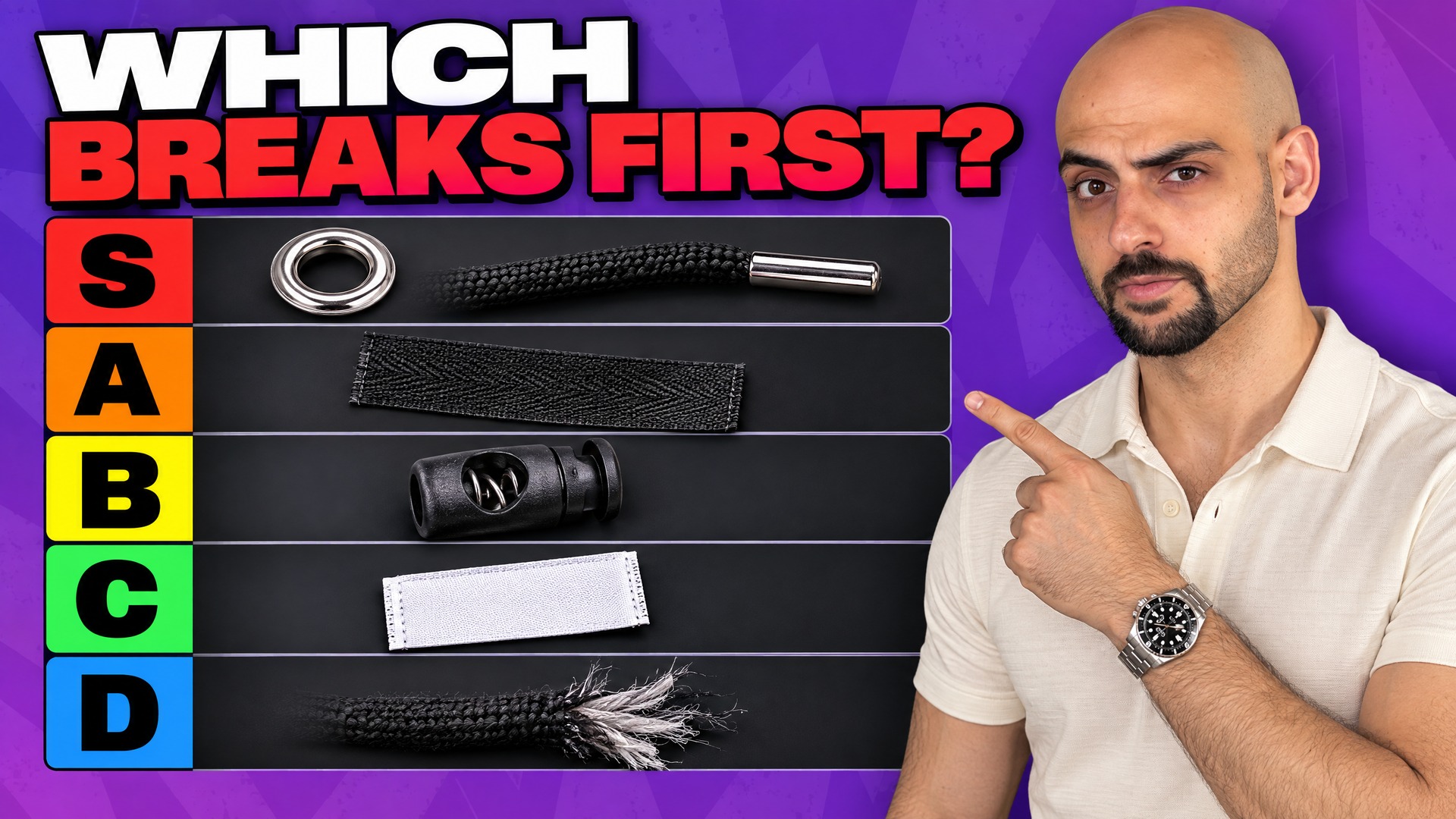
Shadi Adada, co-founder and creative director of FittDesign, has designed, developed and manufactured hundreds of hoodies over the last ten years. He ranked 13 common hoodie trims from S tier to D tier so you can decide what goes in your tech pack before the first sample, instead of after the first complaint.

Photo by Kajetan Sumila on Unsplash
How the trims were ranked
The test is simple. Does the trim create real value in the customer's eyes, and does it make sense for your brand? A detail can look good in a flat lay and still be money you never get back. Another one can be almost invisible and still decide whether the hoodie looks cheap after a few months of wear.
Shadi's ranking comes from what he has seen repeat across hundreds of hoodies: which trims made a product worth it, and which ones were money that never showed up anywhere.
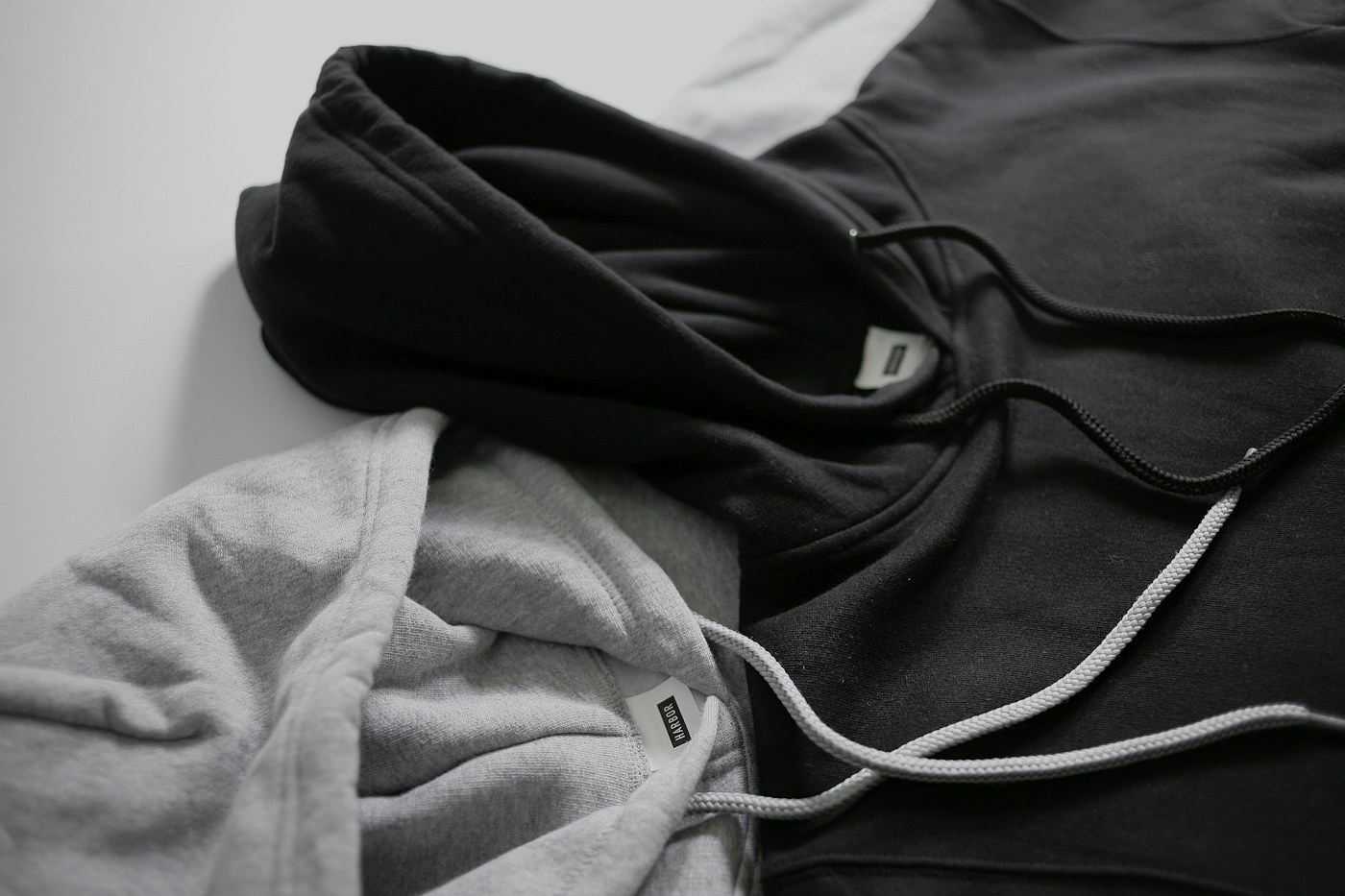
Photo by Haryo Setyadi on Unsplash
S tier: the eyelet, the cord end and the neck label
These three are where Shadi would spend first, because they protect the parts of the hoodie that get handled every single day.
A metal eyelet. A 13 mm wide metal eyelet at the drawcord opening protects the hole and gives the hood a subtle, finished touch. His recommendation is zinc alloy or brass, either anodized or plasti-dipped, so the finish doesn't peel or scratch over time.
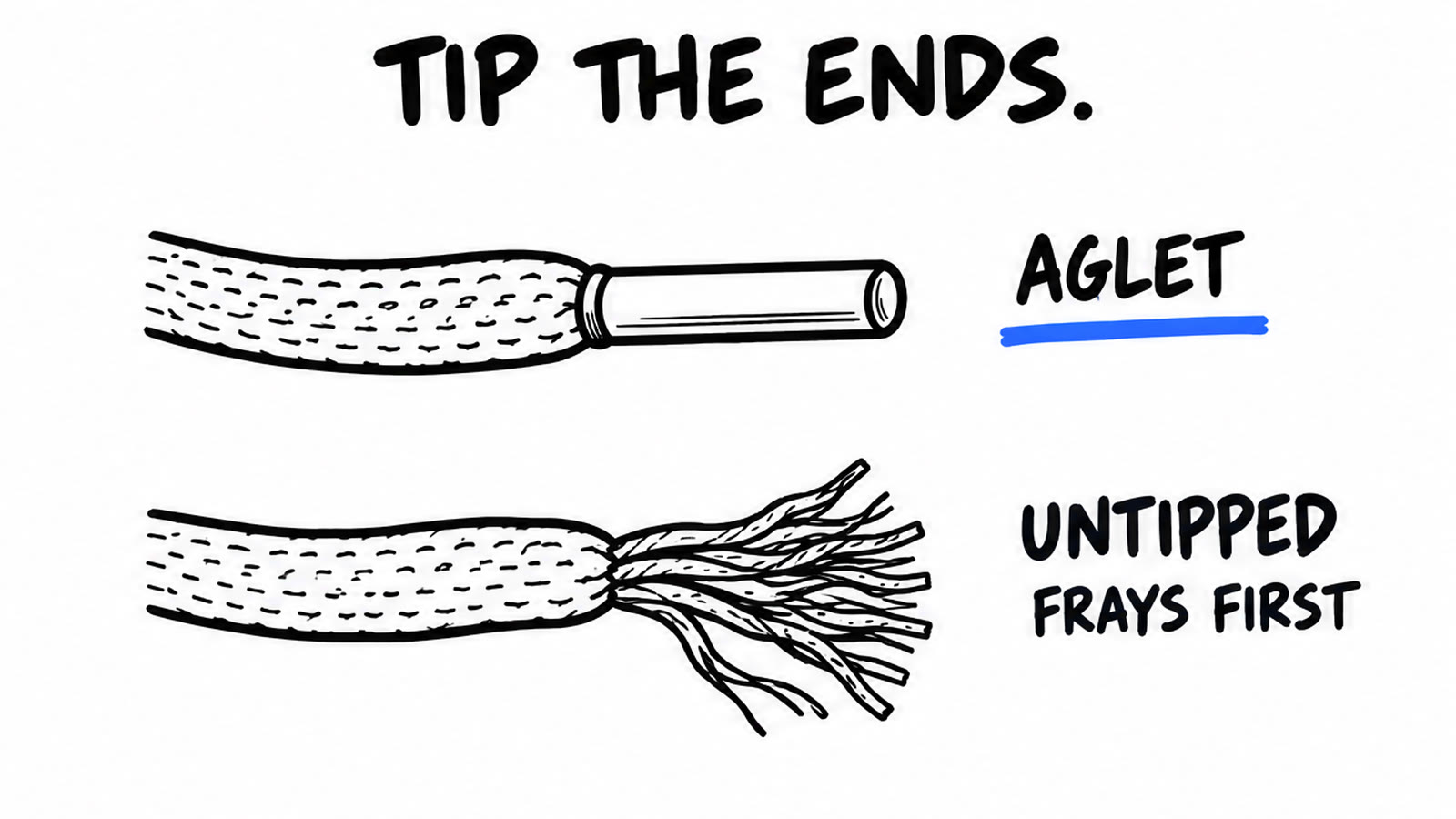
A properly tipped drawcord end. The tip can be an aglet, a bullet style, a rectangular style or a plasti-dipped end. At the top end you have brass aglets with a silicone coating and a debossed finish. At the low end you have ABS plastic tips that are glued on instead of clamped, which are much easier to pull off and tend to fall out.
A woven neck label. On a hoodie, and especially one with a brushed fleece inside, a woven label is a must. In Shadi's experience it comes in at pretty much the same price as a printed neck tag, and it wins on longevity, durability and how recognizable the brand looks. A damask weave is the detail that makes it feel premium.
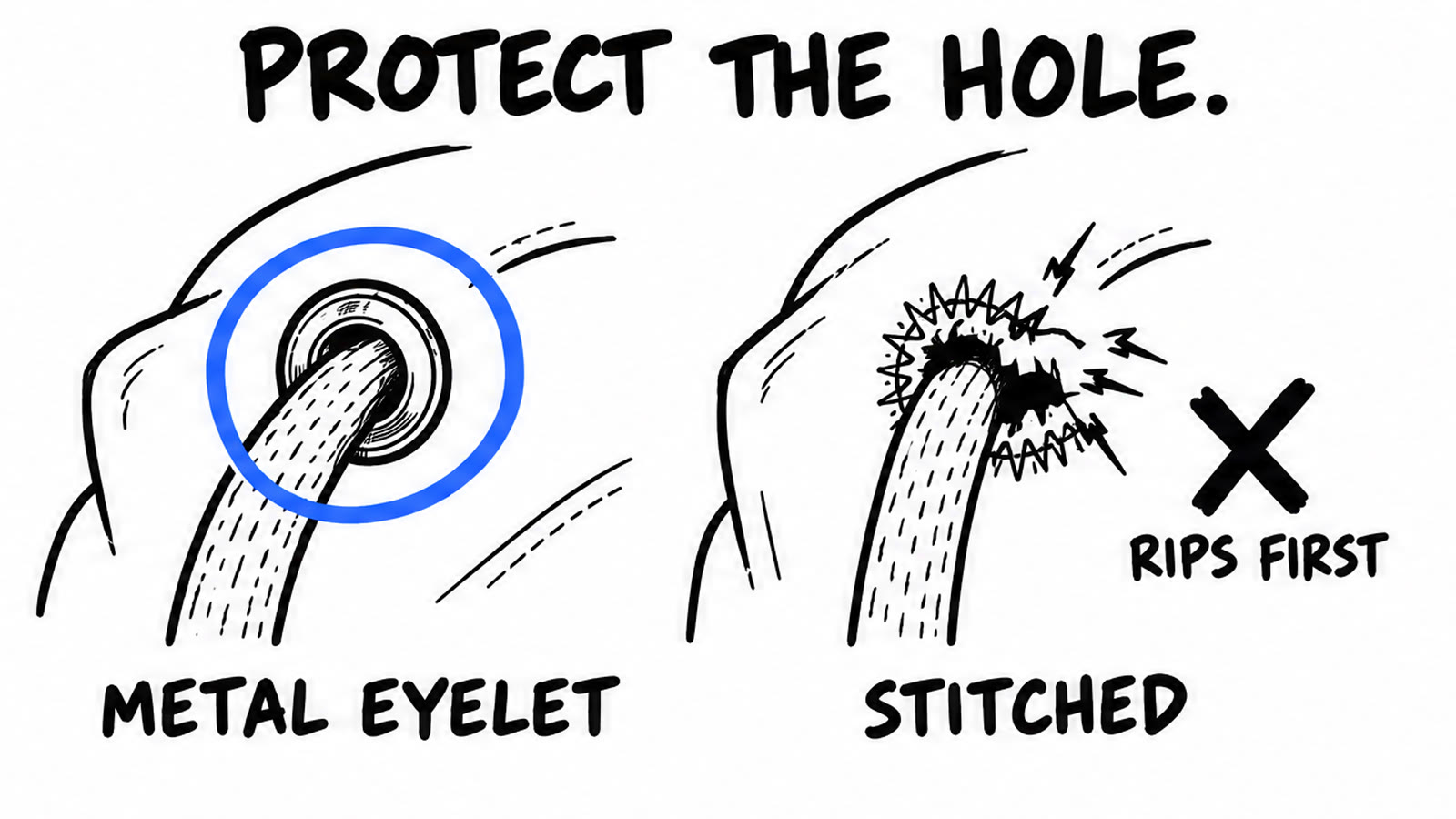
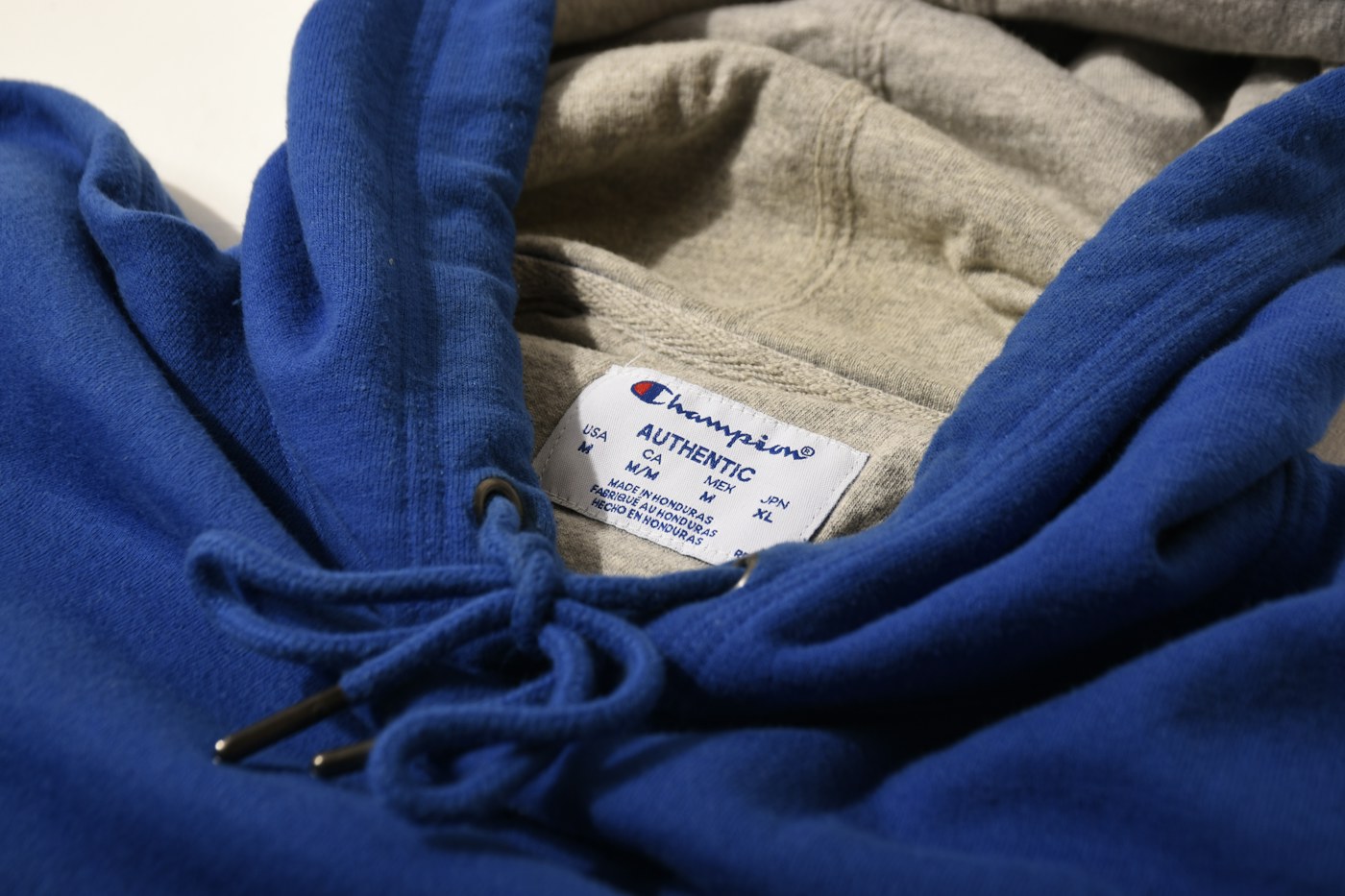
Photo by Bima Utomo on Unsplash
A tier: neck tape and a flat drawcord
Neck tape runs across the inside of the hood where it joins the body. It hides the messy part of that seam, reinforces it so it lasts longer, and gives you a brand touch on the inside. If the budget allows, Shadi recommends woven branding on the tape. If you trust your supplier's quality, a silicone print is a good alternative, as long as they can promise it won't fade.
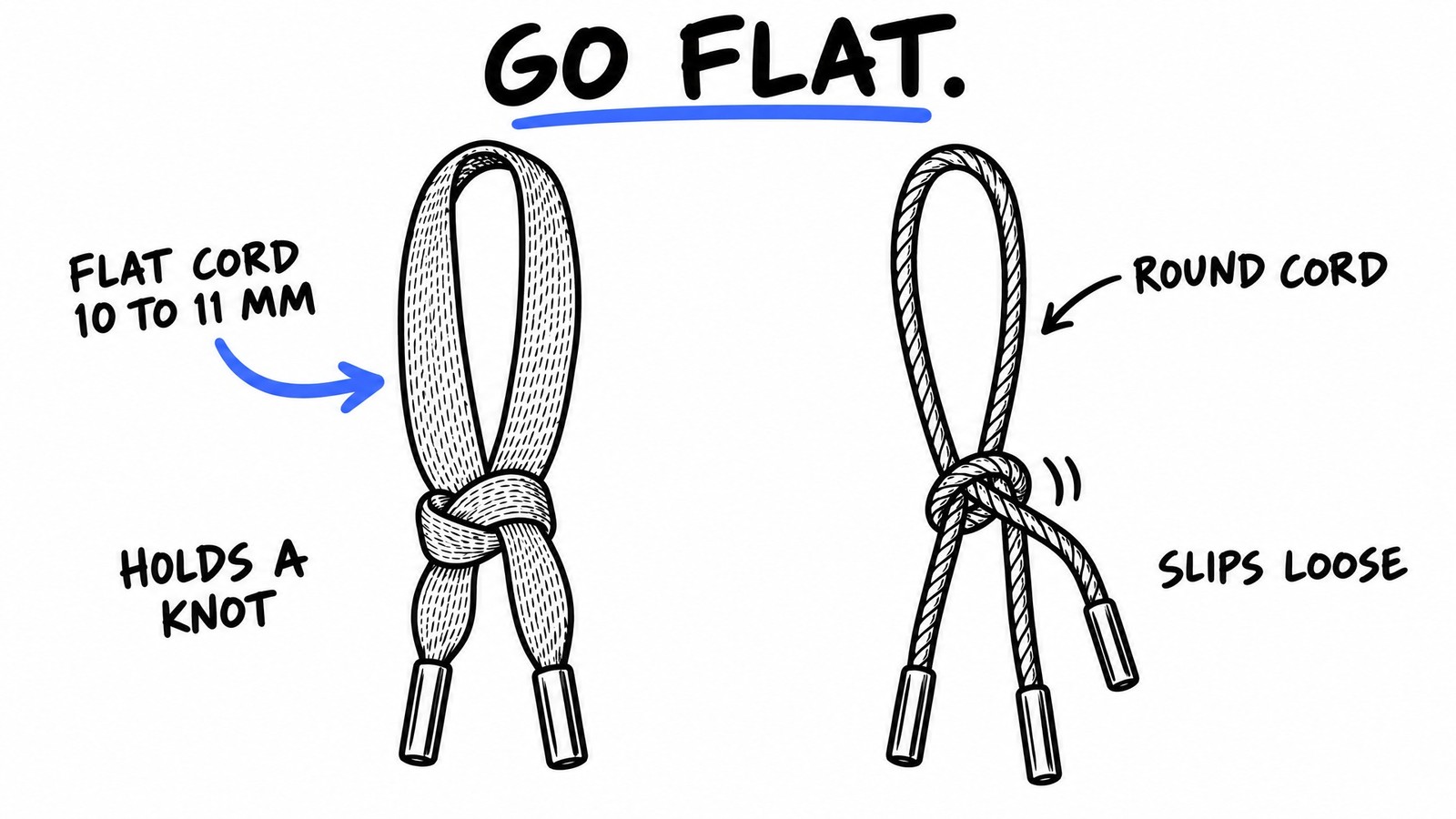
A flat drawcord around 10 to 11 mm wide has a nice weight to it. Match the fiber to the hoodie: a cotton cord on a cotton hoodie, a polyester cord on a polyester one. Shadi is clear that he has no lab data on this, only what he has seen on real products, but in his experience flat cords hold a knot much better than round ones.
A tier: bar tacks at the pocket corners
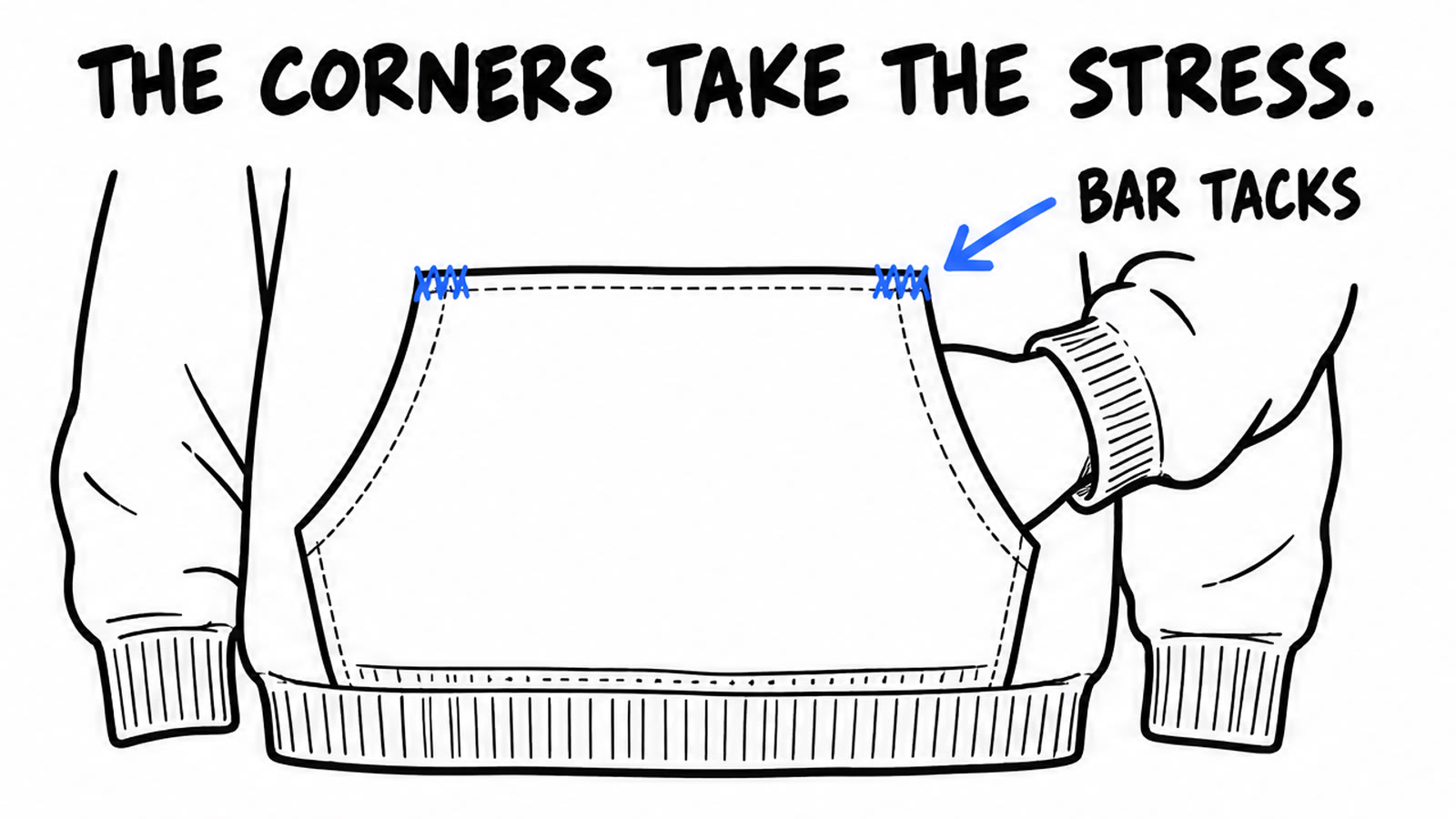
Bar tacks are short, dense reinforcing stitches at the edges of the pocket. Every time a hand goes in and out of a kangaroo pocket, the corners where the stitching ends take most of the stress. A bar tack locks those corners so the pocket doesn't start coming away from the body.
They cost very little, and they make a hoodie last longer and feel more rugged and higher quality than it would without them.
Building your trim list for a first hoodie?
Eyelets, cord ends, labels and tape all need to be specced in the tech pack before the sample is made, or the factory fills the gaps with whatever is cheapest.
B tier: cord locks and metal zips
A cord lock, stopper or adjuster is common on elastic cords, wrist cuffs and ankle cuffs. On a hoodie it makes sense when the hood really needs to close tight, which is usually a performance hoodie built for colder weather. On a casual or streetwear hoodie that never needs to cinch at the neck, Shadi would skip it and save the cost.
A metal zip looks better than a nylon molded one. It also costs more, and unless it's anodized it's very hard to color match to the body fabric. That usually leaves you with a painted metal zip that chips over time, or a metal zip on a garment where metal doesn't really fit.
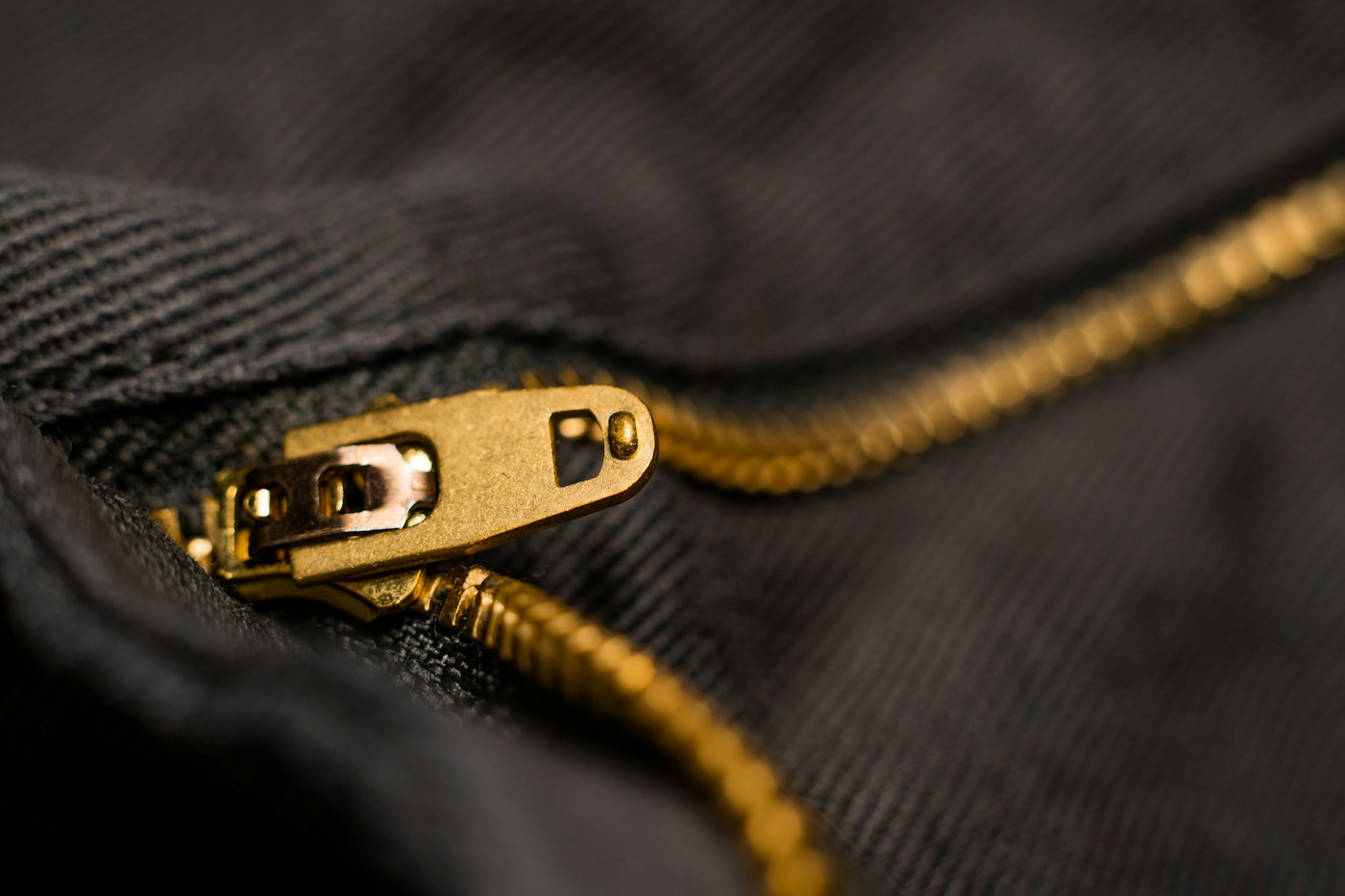
Photo by Marcus Urbenz on Unsplash
C tier: printed neck labels and branded aglets
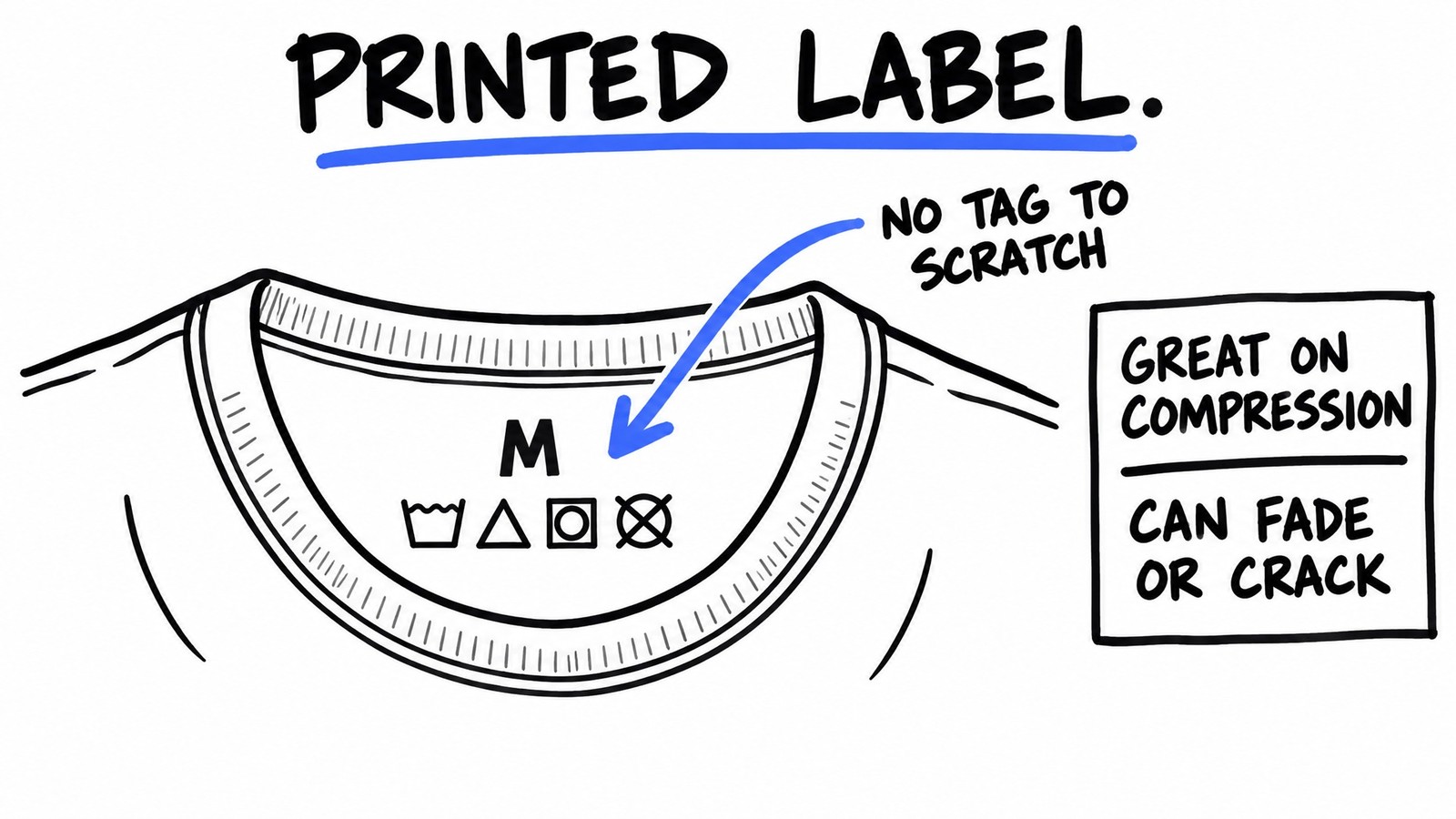
Printed neck labels work well on compression garments that sit close against the skin. On a hoodie, Shadi would avoid them and stick with woven. Printed labels are harder to apply onto a brushed fleece inside because the surface is irregular, and on a garment worn day in and day out they simply don't last the way a woven label does.
Branded aglets look great. The problem is the mold you have to open to make them and the minimum order that comes with it, which puts them out of reach for most startup brands. For a first collection, his advice is to avoid them.
D tier: the places brands save in the wrong way
A machine stitched eyelet instead of a metal one does cut cost, but it's the first thing to fray or rip on a garment that's constantly under stress. If you want the hoodie to pass the test of time, go metal.
An untipped drawstring is also D tier. An unfinished cord end frays first, makes the whole garment look cheap and drags down the value of everything else you built.
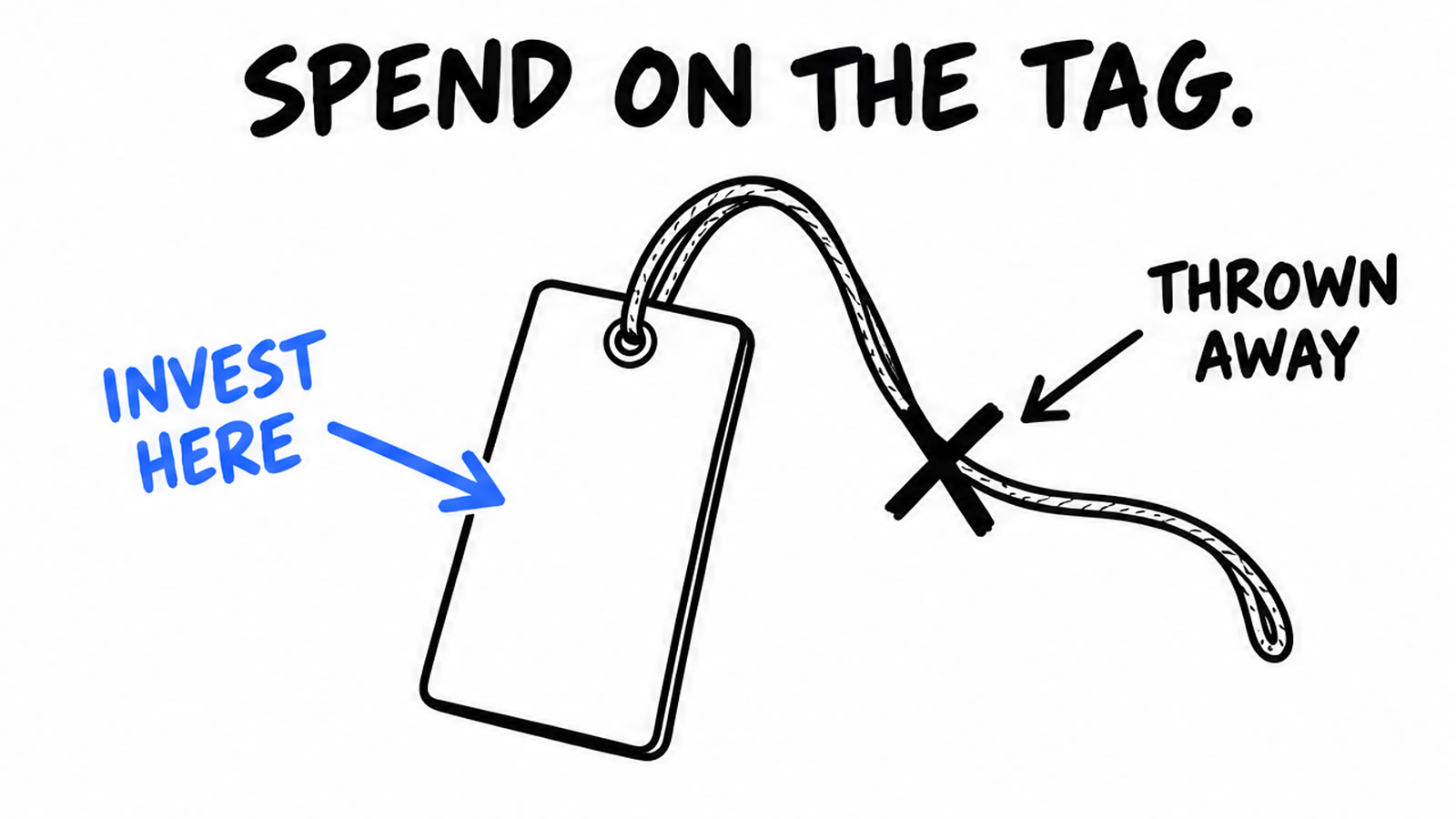
Last, a hang tag string that costs more than the hang tag itself. Silicone tags with molded branding or metal tags with a lot of bells and whistles on the string rarely make sense for the positioning of a new brand. Put that money into the hang tag, because the string gets detached and thrown away.
The full tier list
S tier: metal eyelets, properly tipped drawcord ends, woven neck labels.
A tier: neck tape, bar tacks, flat drawcords.
B tier: cord locks, metal zips.
C tier: printed neck labels, branded aglets.
D tier: machine stitched eyelets, untipped drawstrings, a hang tag string that costs more than the tag.
If you're still deciding on the fabric underneath all of this, our comparison of French terry and fleece covers which one to pick for your hoodie.
Watch Shadi rank every trim
The full episode goes through all 13 trims one by one, with photos of each and the complete tier board at the end.

About FittDesign
FittDesign is a full-service design and production company for sportswear and activewear brands. We take you from the first sketch to a factory-ready tech pack, sampling and production, so the product that arrives is the one you pictured.
Ready to build a hoodie that holds up?
We spec every trim, fabric and finish in the tech pack and sample it with the factory, with product in your hands in around 30 days.
Get a quote → Takes 2 minutes. No obligation.


