


Sustaining distinct market differentiation requires your business to integrate creative design methodologies and disruptive technologies into your product roadmap. Standing apart from aggressive competitors demands more than surface visual updates or routine marketing campaigns.
Your team can build meaningful market advantages by treating creative thinking as a core strategic driver. Integrating fresh problem-solving frameworks across executive planning allows your organization to navigate consumer expectations with confidence and agility.
How Do You Apply Creative Problem-Solving to Brand Strategy?
Traditional strategic planning depends on predictable operational frameworks that produce conventional market positioning. Bringing innovation and creativity experts into interactive industry summits and internal workshops helps team members reframe core operational challenges. Structured creative exercises allow cross-functional teams to discover unmapped opportunities in product development lines.
Strategic alignment becomes clearer when design principles guide every level of executive decision-making. When creative methodology shapes strategy, products reflect clear purpose and drive stronger customer loyalty and measurable revenue growth in diverse market segments.
What Drives Modern Product Roadmaps Toward Long-Term Growth?
Building product roadmaps solely on past success leaves organizations vulnerable to industry changes. Leaders must combine deep human insight with rapid testing cycles to maintain long-term product relevance. Creative problem-solving pushes developers to examine unmet consumer needs before committing heavy engineering resources to new features.
Embedding iterative design loops allows teams to validate product concepts early in development. Developing products with user intent at the center lowers financial risks while creating software and physical items that fit actual market demand. Strong roadmaps connect every technical milestone directly to user value proposition goals.
Why Must Brands Embrace Sensory Design and Emerging Technology?
Modern audiences encounter hundreds of generic brand messages and create massive noise. Insights published by The Branding Journal highlight how modern design strategies now extend beyond flat visual assets into multi-sensory experiences using movement, tactile elements, and sound depth. Relying strictly on basic logos or standard color palettes no longer captures meaningful consumer attention.
Interactive elements and dynamic interfaces transform passive observers into active participants. Integrating multi-sensory design touchpoints helps customer interactions feel grounded and memorable on touchscreens, physical packages, and spatial hardware interfaces. Experiential positioning creates immediate emotional connections that static graphics cannot replicate.
How Do Disruptive Technologies Accelerate Product Innovation?
Next-generation software platforms and advanced tools give product development teams unprecedented speed. Combining artificial intelligence with human design direction accelerates rapid concept prototyping without sacrificing distinct brand identity. Technology is a powerful multiplier when paired with intentional creative direction.
Simplify prototyping cycles: Advanced digital design tools convert initial product concepts into interactive models within hours rather than weeks.
Personalize user interactions: Adaptive digital interfaces tailor visual themes and navigation structures based on individual user behaviors.
Unify cross-departmental ideas: Shared workspace platforms connect remote engineering teams and strategic designers in real-time collaboration environments.
Research released through PR Newswire indicates that maintaining structured consistency across all customer touchpoints can lift business revenue by up to 33%. Building a unified brand framework aligns internal corporate values with outward customer experiences.
Automated tools handle repetitive tasks while creative leads focus on strategic positioning and customer journey refinement. Strategic technology integration transforms raw ideas into market-ready assets with precision and agility.
How Do Expert Stage Presentations Elevate Internal Teams?
Internal teams can fall into routine patterns when operating inside comfortable day-to-day workflows. Bringing expert keynote presenters into company meetings offers fresh perspectives that challenge outdated workplace assumptions. Outside experts share proven methodologies from global industries, inspiring team members to re-examine existing processes.
Keynote presentations at corporate retreats and executive summits spark creative momentum. Listening to real-world business transformation stories helps employees see how creative risk-taking translates directly into commercial success. Inspiring live presentations spark actionable ideas that internal teams can apply immediately.
Why Is Cross-Functional Collaboration Critical for Brand Alignment?
Breakthrough strategic concepts fail when departments operate inside isolated organizational silos. Creative strategy connects product engineering, marketing operations, and executive leadership. Aligning cross-functional teams around shared visual and functional goals maintains brand integrity during rapid expansion phase shifts.
Regular collaborative sessions encourage diverse perspectives, transforming technical constraints into brand features. Design-led organizations create open channels where feedback flows freely between departments. Broad cross-functional alignment protects strategic positioning at every consumer touchpoint.
Building an Organizational Culture of Continuous Innovation
Companies that reward thoughtful experimentation create resilient operational environments capable of navigating unexpected market disruptions. Leaders must actively support calculated creative risks across every department level.
Providing time and resources for collaborative workshops encourages employees to propose bold product solutions. Continuous creative development prevents operational stagnation and maintains brand relevance as customer expectations evolve. Workplace culture remains the single strongest engine driving authentic brand differentiation.
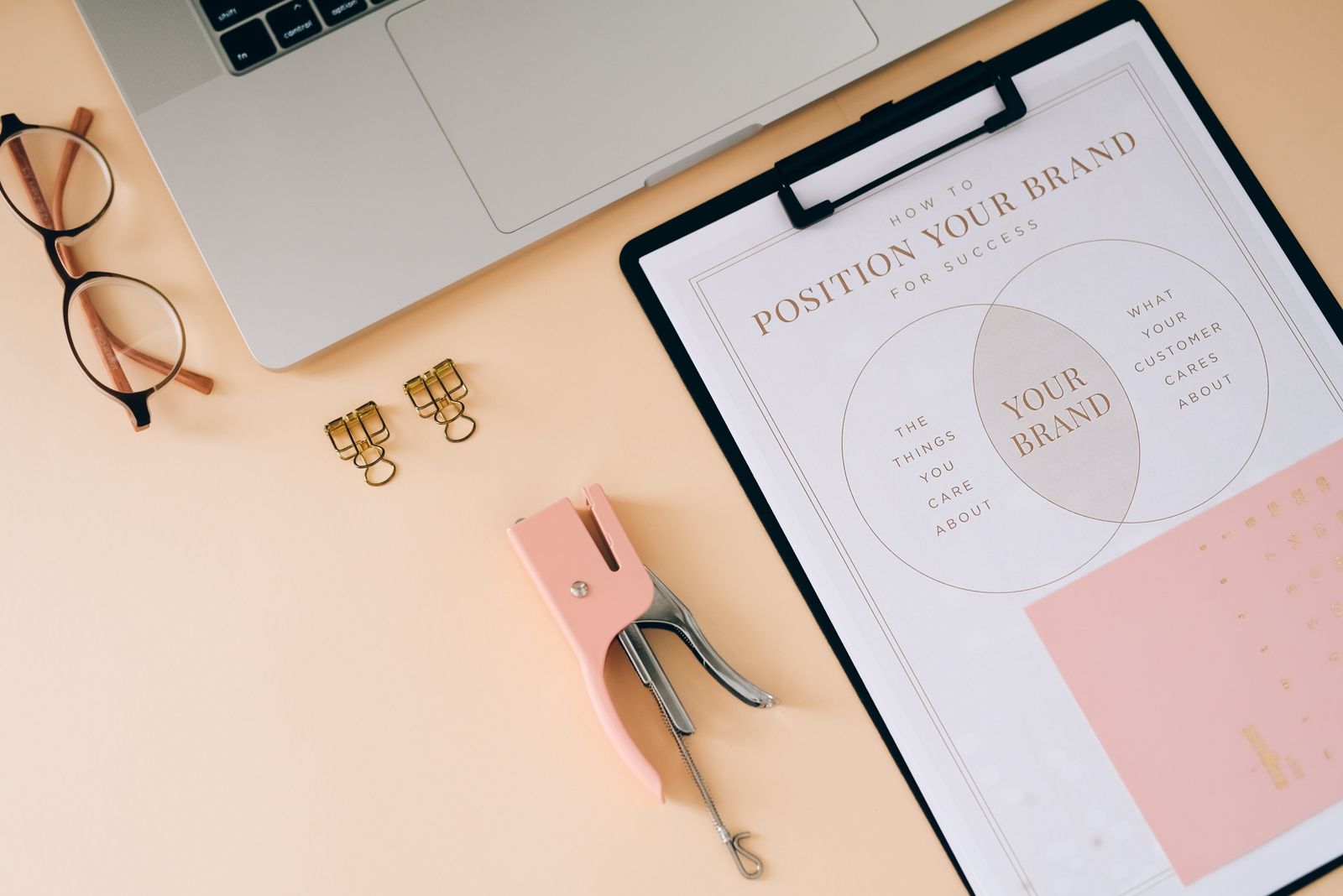
Cultivating a culture of continuous innovation grants companies a competitive edge. With these tips at hand, your enterprise builds lasting value that competitors cannot easily duplicate. Embracing creative methodology keeps your brand distinct, agile, and aligned with market demands.
About FittDesign
FittDesign is a full-service design and production company for sportswear and activewear brands. We take you from the first sketch to a factory-ready tech pack, sampling and production, so the product that arrives is the one you pictured.
Get a quote → Takes 2 minutes. No obligation.


