

Why Are My Leggings Rolling Down, See-Through or Pilling? 7 Questions Answered

Start typing "why are my leggings" into Google and it finishes the sentence for you. Rolling down. See-through. Baggy in the crotch. Pilling. Saggy at the knees. Itchy.
Millions of people are asking the same handful of questions, and the frustrating part is that almost none of these problems are bad luck. Each one has a cause you can point to in the fabric, the fit or the way the garment was sewn. Shadi has designed well over a thousand pairs of leggings, and he's run into every one of these along the way.
Here's what's going on behind each question. If you're shopping, it'll help you pick a better pair. If you're building your own, every one of these choices ends up in the tech pack.
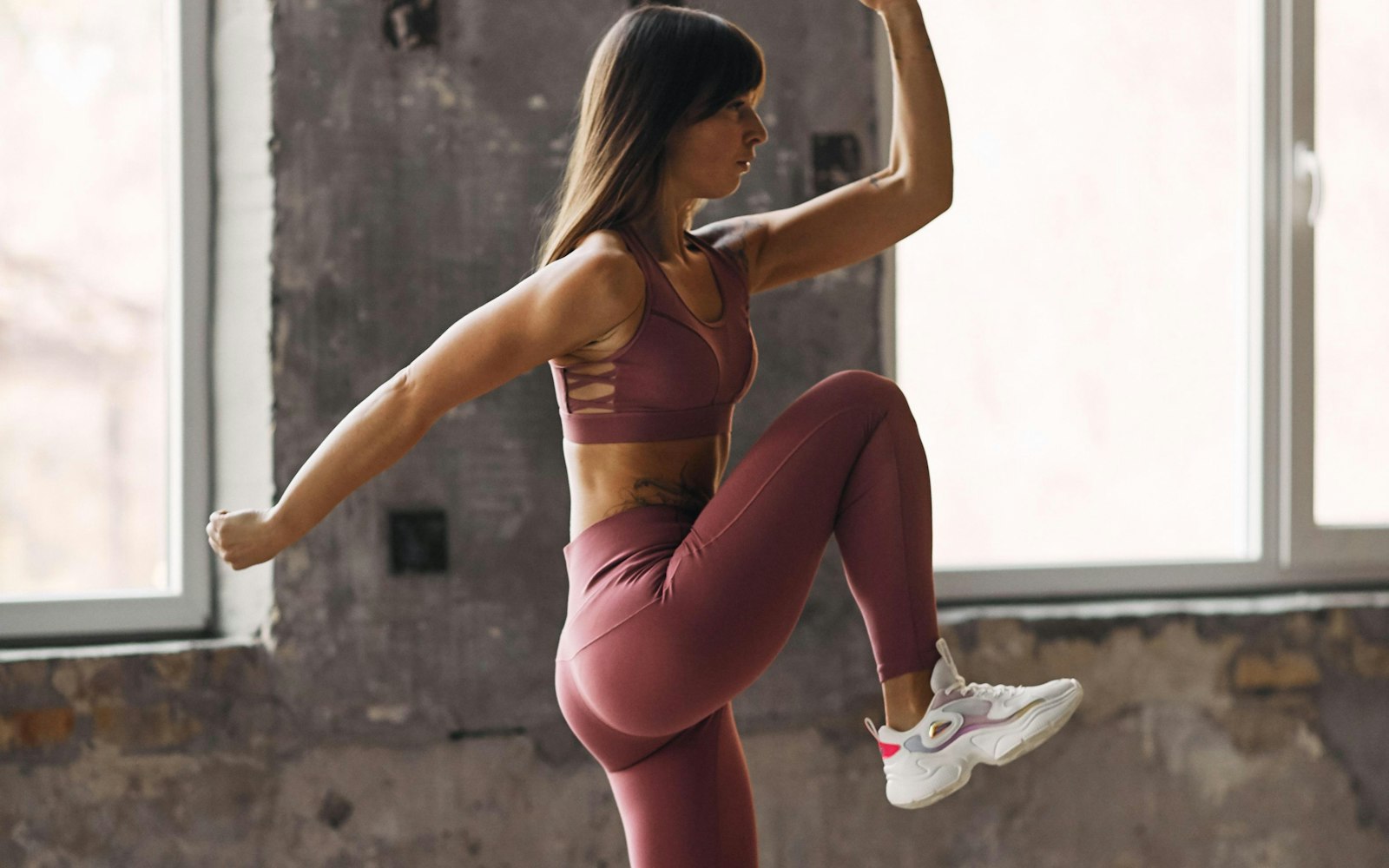
Photo by Julia Rekamie on Unsplash
Why your leggings keep rolling down
This one usually comes down to the waistband, and more specifically where it lands on your body.
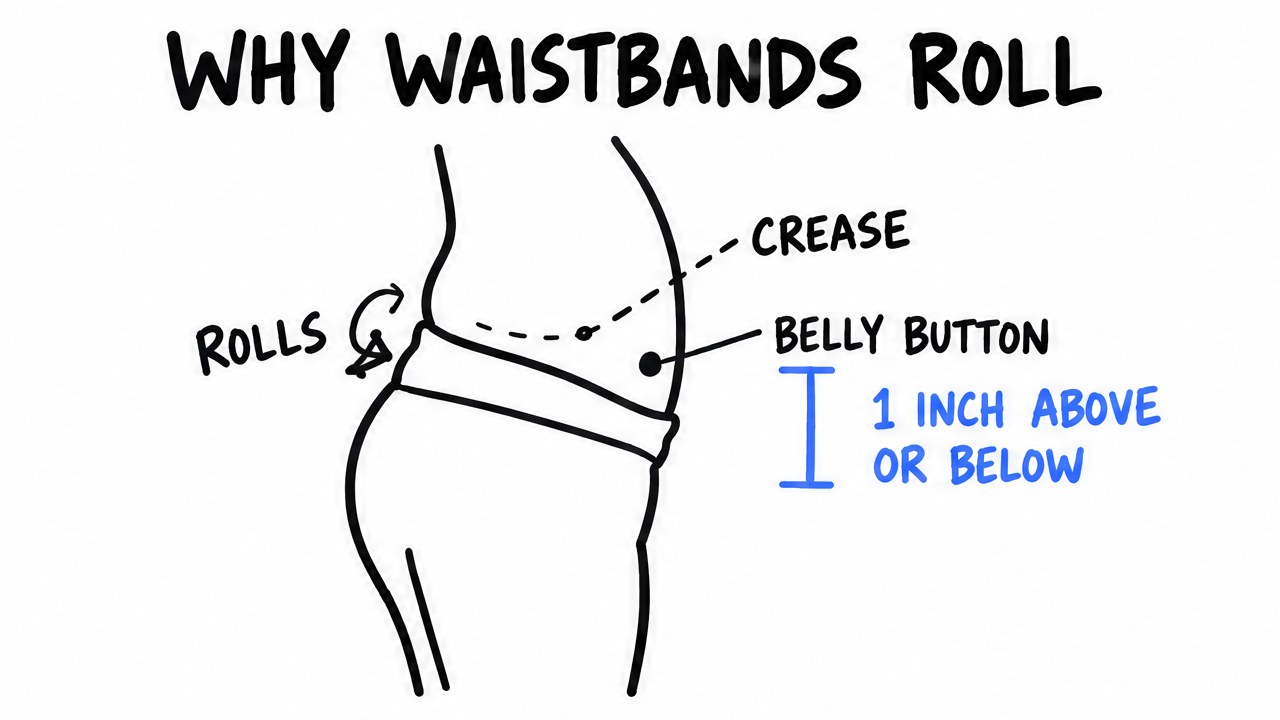
Most of us have a natural crease across the belly where the body folds when we sit or bend. Narrower waistbands, somewhere around 1.5 to 2.75 inches tall, have a habit of landing right in that crease. Every time you move, the crease pushes the top edge over, and down it rolls. It happens to men and women, but it's more noticeable on women, where the difference between hip and waist is bigger.
A better waistband does two things. It's built firmly enough to hold its shape, and it's tall enough to clear the crease altogether. As a rule of thumb, Shadi aims for the top edge to sit about an inch above or an inch below the belly button. Anything sitting way above or way below that tends to cause trouble.
Why they go see-through when you squat
There are usually three things working together here.
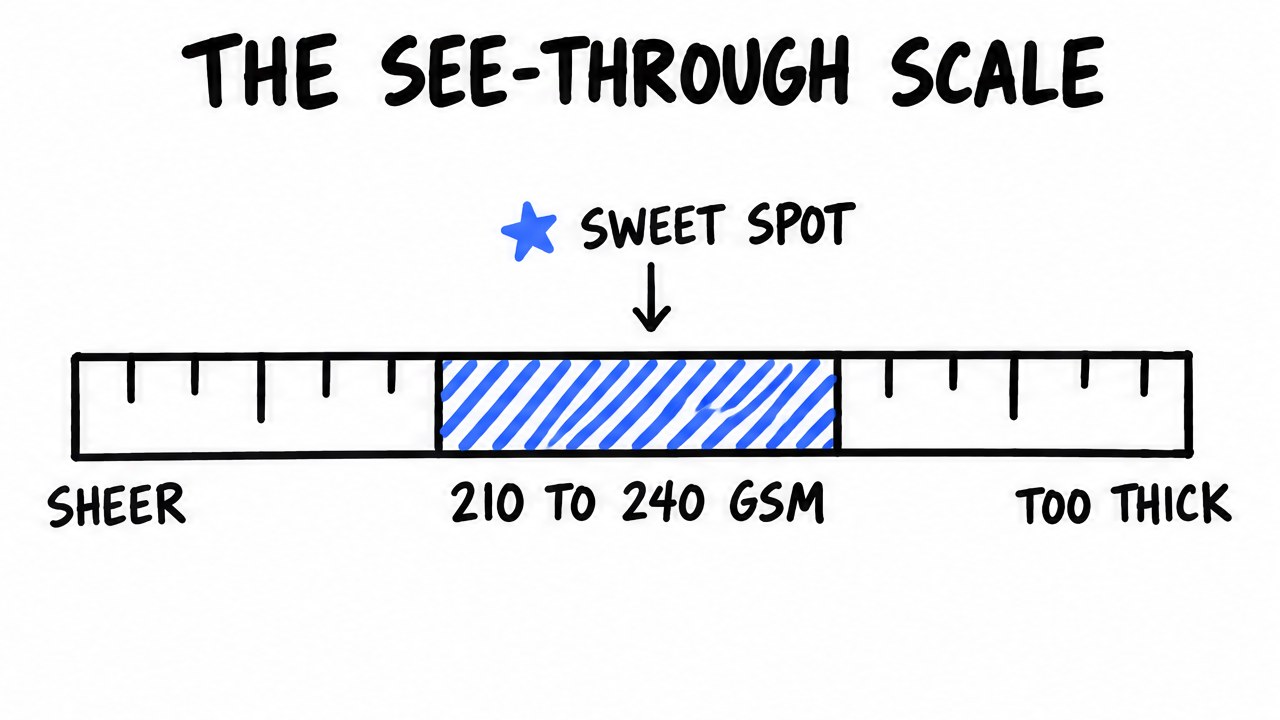
The first is the fabric itself. If it's too light, or the knit is too open, light gets through the moment it stretches. The second is the pattern. If a factory saves fabric by cutting the leggings too small, the same amount of material gets stretched over more of your body and it thins out. The third is simply size. Even a great pair will go sheer if it's a size too small.
What you want is a pair that uses enough fabric, fits properly, and is made from an interlock knit, which is a doubled-up knit that stays far more opaque when stretched. For everyday leggings, Shadi recommends a fabric between 210 and 240 GSM. Much heavier and they start to feel thick. Lighter than that and you're heading into sheer territory.
Why they bag in the crotch
Bagginess in the crotch is a pattern problem. The gusset, that diamond-shaped panel between the legs, and the rise measurement don't agree with each other, so there's more fabric in that area than your body needs. It has to go somewhere, so it folds, bags and sags through the hips.
The fix is a fit where the gusset sits exactly where it should without being cut so tight that it creates a different problem. If you're comparing constructions, our guide to cut and sew vs seamless leggings goes through how each one handles fit.
Why they pill
Pills are friction. When a fabric rubs against itself, a bag strap or a gym bench, the fibers on the surface get disturbed and tangle into those little balls of fuzz.
The softer the fabric, the more likely it is to happen. A lot of polyester and nylon leggings are brushed to give them that buttery feel, and those are the ones that tend to pill the most. Unbrushed synthetic fabrics rarely pill, because their fibers are uniform and lie flat. Cotton and other natural fibers pill easily, since the fibers like to curl up and ball together.
So there's a real trade-off. The pair that feels incredible in the store might be the one that looks tired after a few washes.
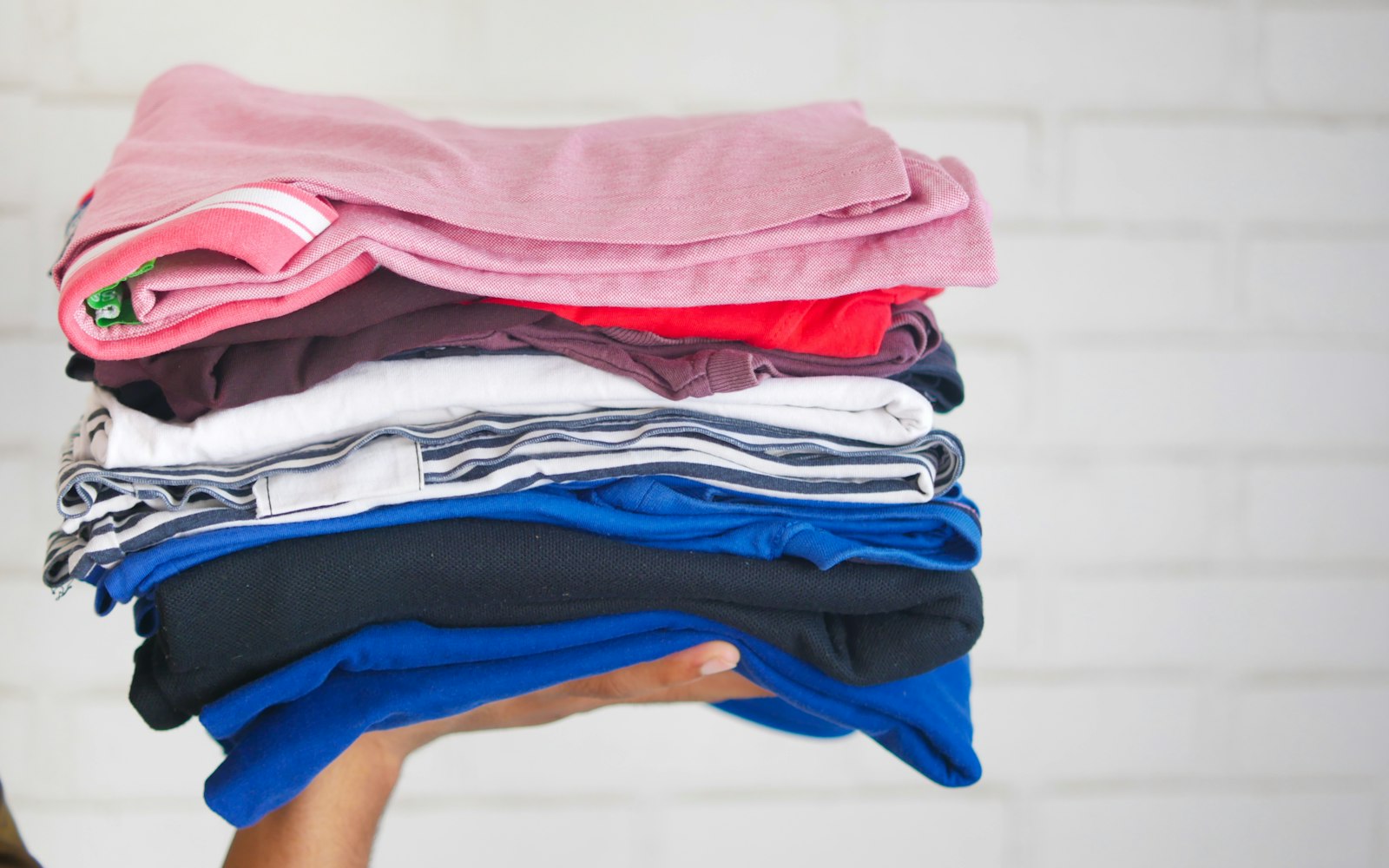
Photo by Towfiqu barbhuiya on Unsplash
Designing your own leggings?
Waistband height, fabric weight, brush level and gusset shape all need to be settled before the first sample.
Why the knees go baggy
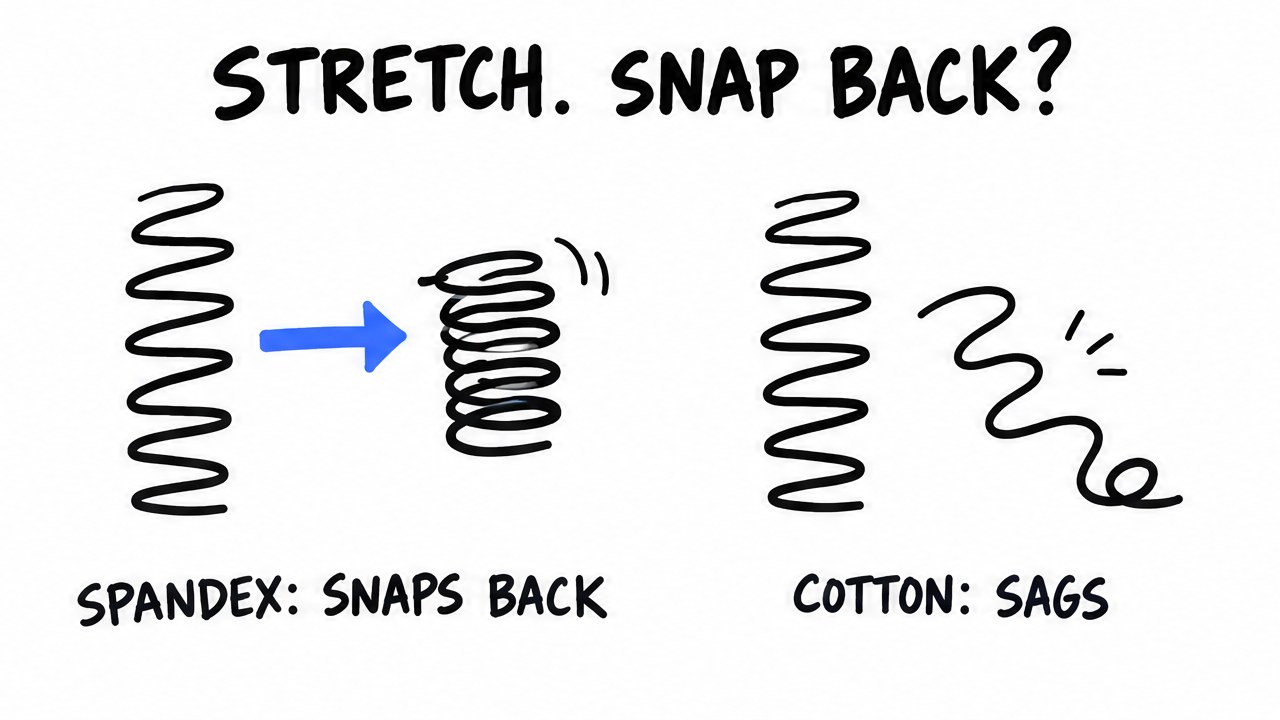
This is about recovery, meaning how well a fabric springs back after it's been stretched. Elastane, which you'll also see called spandex or Lycra, is what gives leggings that snap back.
When the knees start to bag, the fabric has lost that ability. Usually the spandex percentage is too low, or there's cotton in the blend. Cotton is notorious for stretching out and staying stretched, even with some spandex in there, which is why Shadi steers people away from cotton spandex leggings. The fabric is working against being worn tight to the skin. We cover how stretch fibers behave in more detail in What Is Spandex.
Why they itch
Itchy leggings are almost always about what's on the inside. Seams and labels rub against your skin, and once you start sweating that friction gets worse.
Flatlock seams make a big difference. They remove most of the bulk from inside the seam, let the fabric sit edge to edge, and stretch well with the garment. Heavy labels do the opposite, and satin or jacquard labels are the worst for anything skin tight. A printed tag solves it, and Shadi's preference is a silicone print that stretches with the fabric and won't fade over time.
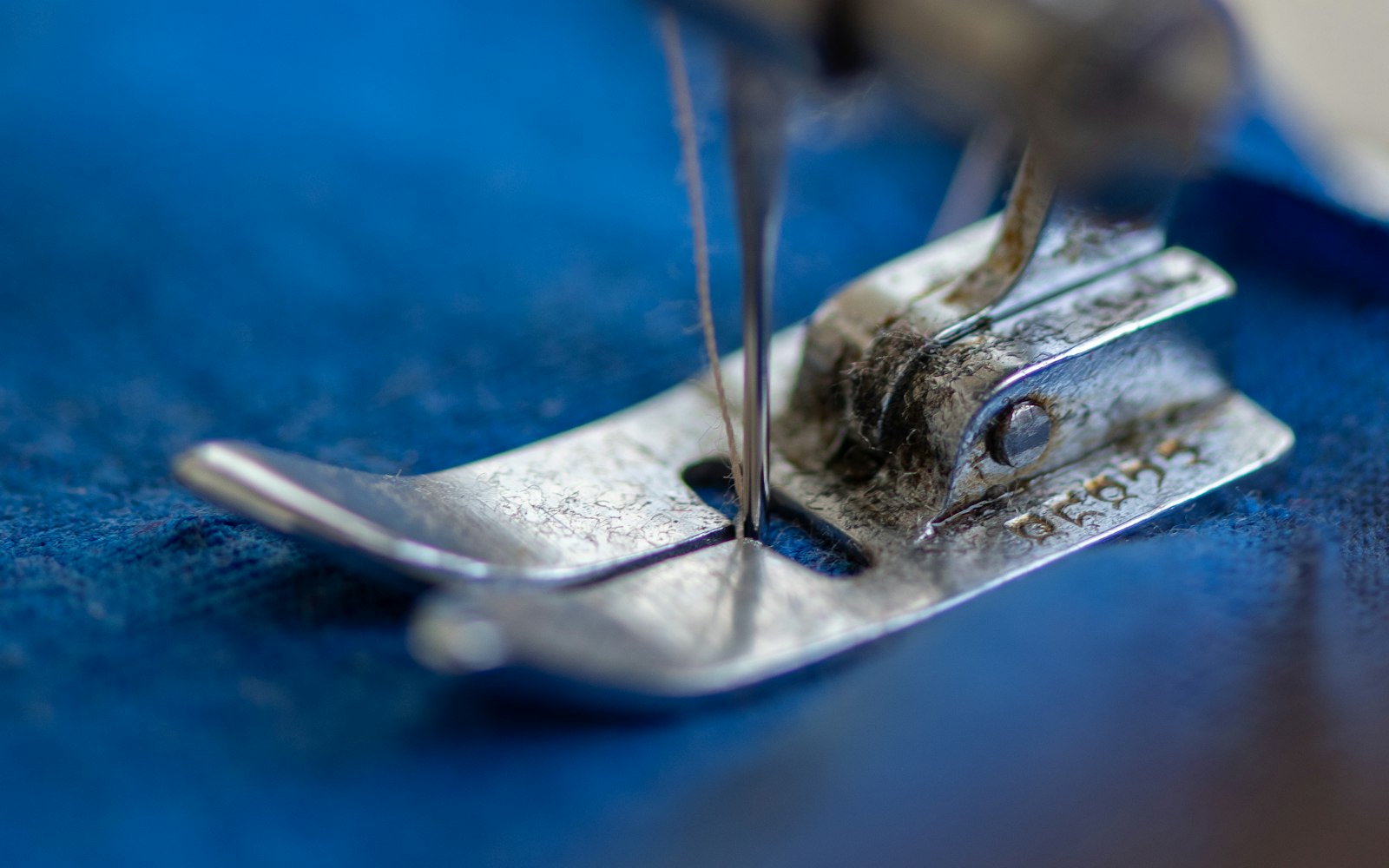
Photo by Bozhin Karaivanov on Unsplash
Why there's a seam down the front
That front seam is a pattern choice. Most pants are made from a front rise and a back rise joined together to create the seat, and many leggings follow the same approach because factories can cut the left and right legs separately. It's efficient and it keeps costs down.
The downside shows up when that front rise is cut very tight, which leggings usually are. The seam can pull into the body and cause camel toe, and it's become more of an issue as leggings have gotten more compressive over the last few years.
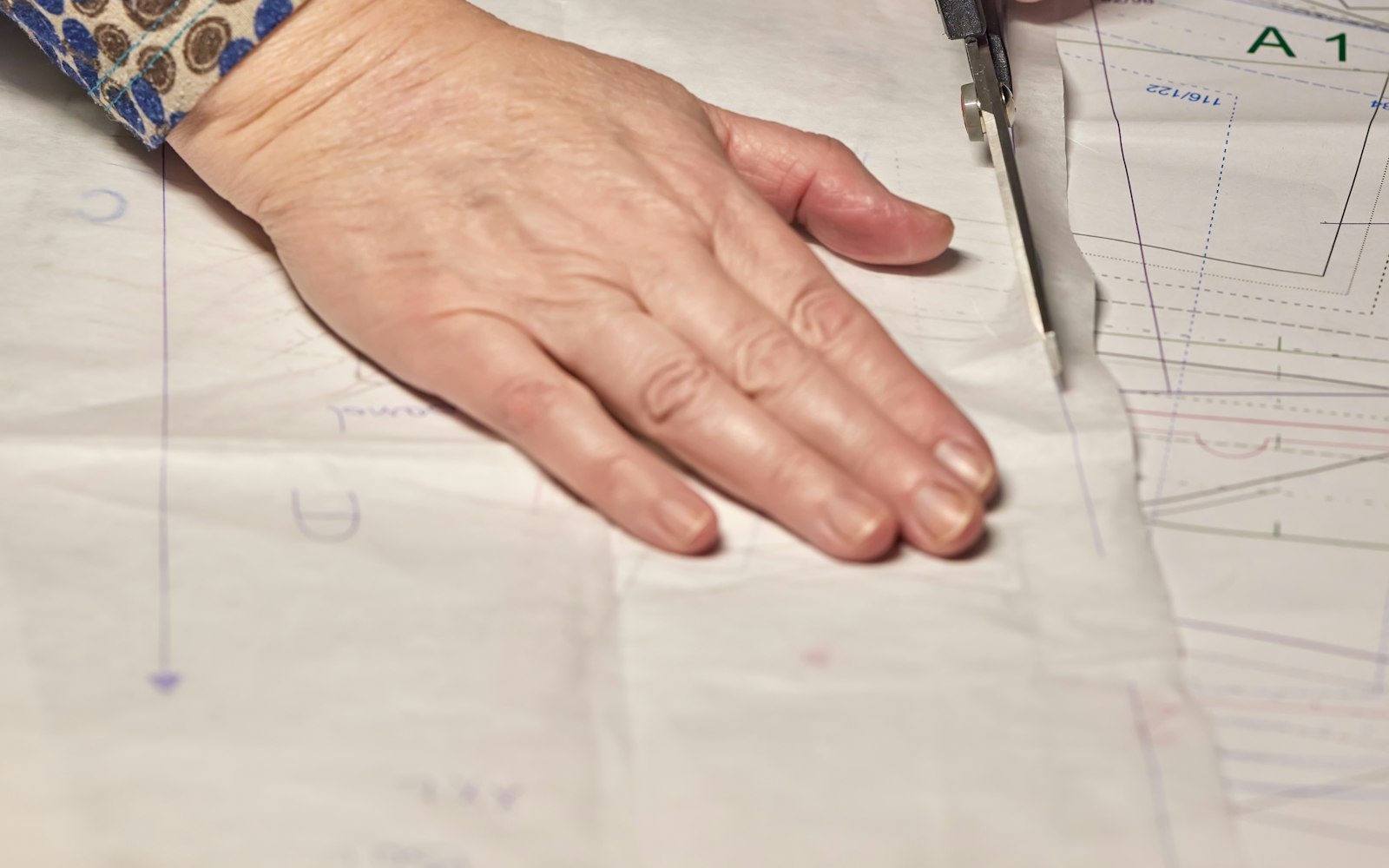
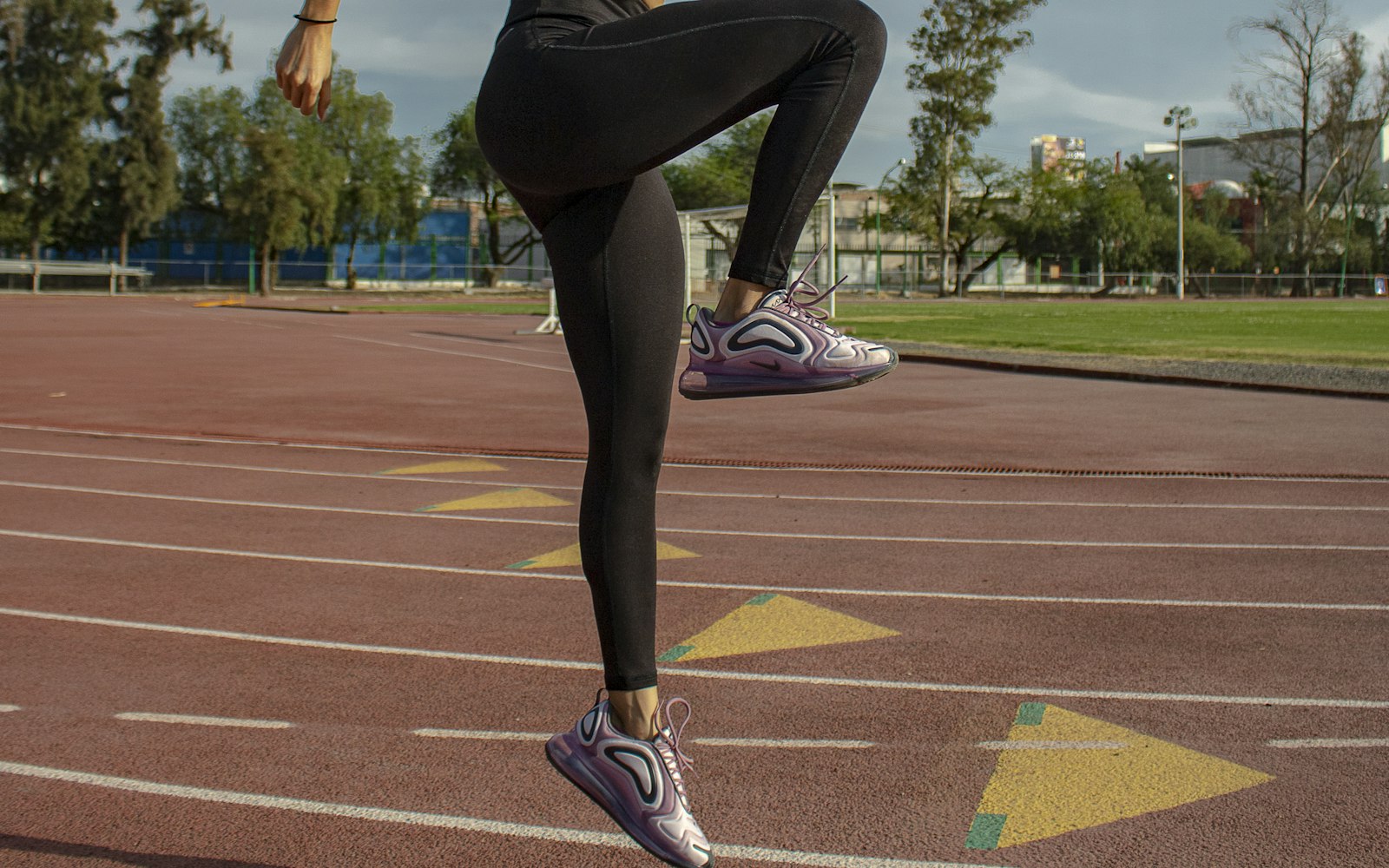
Photo by Erwin Bosman on Unsplash
It nearly always comes back to three things
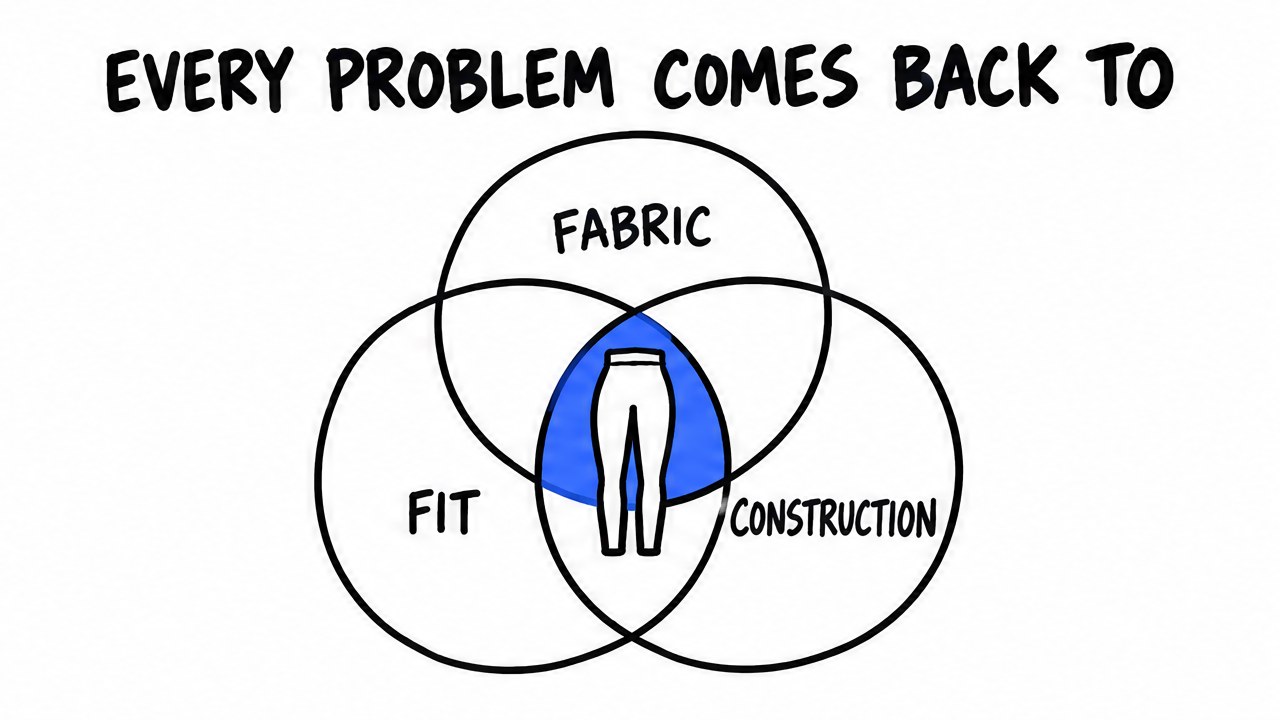
Look back over every question and each problem traces back to the fabric, the fit or the construction. Get those three right and most of these complaints never come up.
Next time you're trying on a pair, check for a front seam, feel whether the fabric is so heavily brushed it's likely to pill, and look closely at the crotch, the knees and the inseam length. If they're too tight you'll feel it straight away, and if they're too loose you'll see it in the changing room mirror. For a wider look at styles, have a read of our guide to types of leggings.
Watch Shadi answer them
Shadi answered all of these on FittDesign TV. If you'd rather watch, here's the episode.
About FittDesign
FittDesign is a full-service design and production company for sportswear and activewear brands. We take you from the first sketch to a factory-ready tech pack, sampling and production, so the product that arrives is the one you pictured.
Ready to build your own pair of leggings?
Fabric, fit and construction decide whether a pair of leggings works. We spec all three and sample with the factory, so you can have a physical pair in your hands in around 30 days.
Get a quote → Takes 2 minutes. No obligation.


