

How to Build a Clothing Brand Without Being the Face
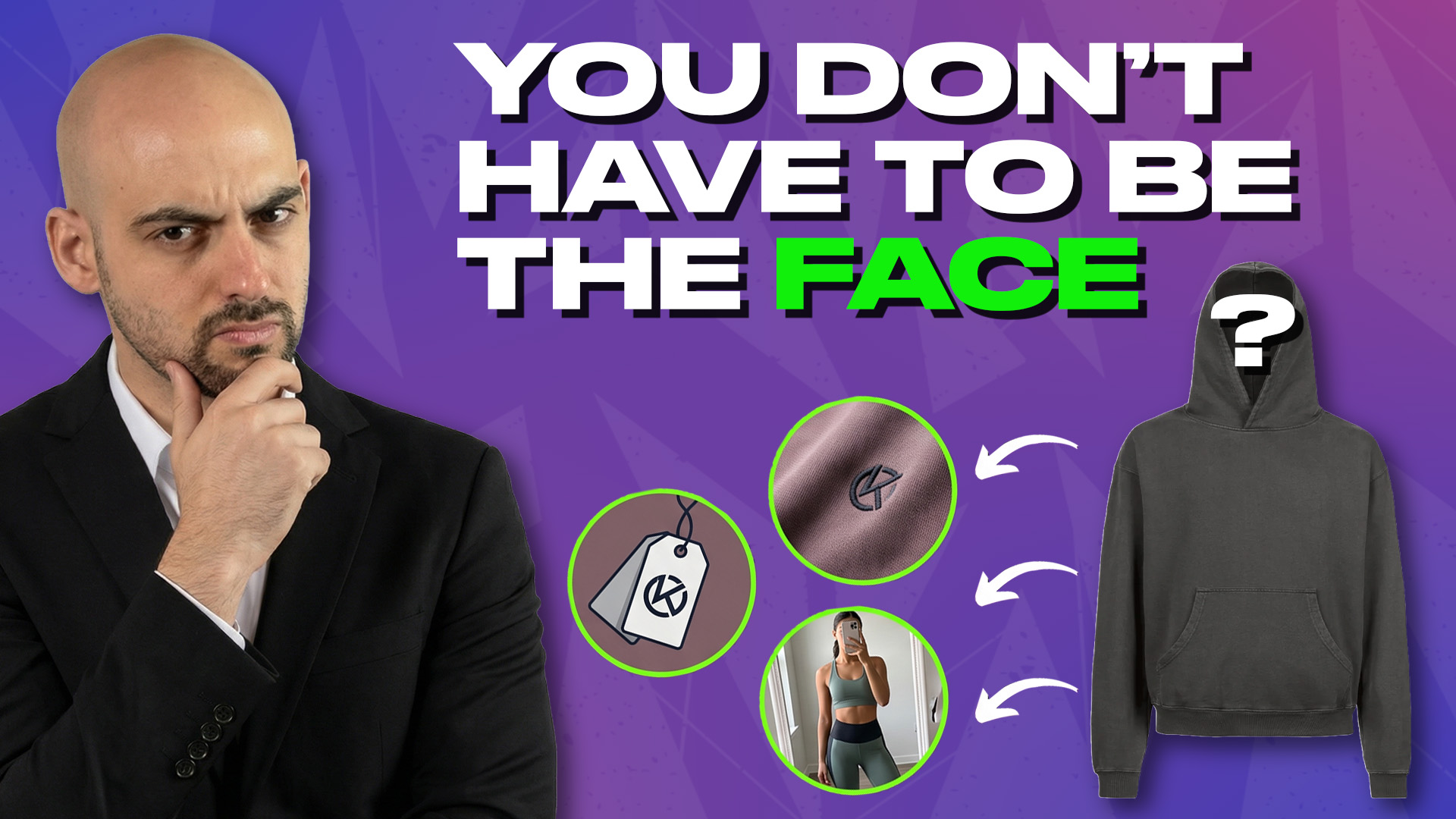
Scroll through the big activewear success stories and it's easy to come away with one conclusion. Gymshark, Alphalete, Young LA: a founder with a camera, a following and a lot of personality. So if you're building a brand and the idea of filming yourself every day makes you want to close the laptop, it can feel like you've already lost.
You haven't. We've worked with thousands of activewear brands over the last ten years, and some of the strongest ones are run by founders you'd walk past in the street. Being the face of your brand is a real advantage, because you can drive attention yourself instead of paying for it with ads and influencers. It just isn't a requirement.
Think about Nike, Adidas or Puma. Most of their customers couldn't tell you who started them, and it doesn't matter. The brand does the work. Here's how you build one that can do the same.
Make the product recognizable on its own
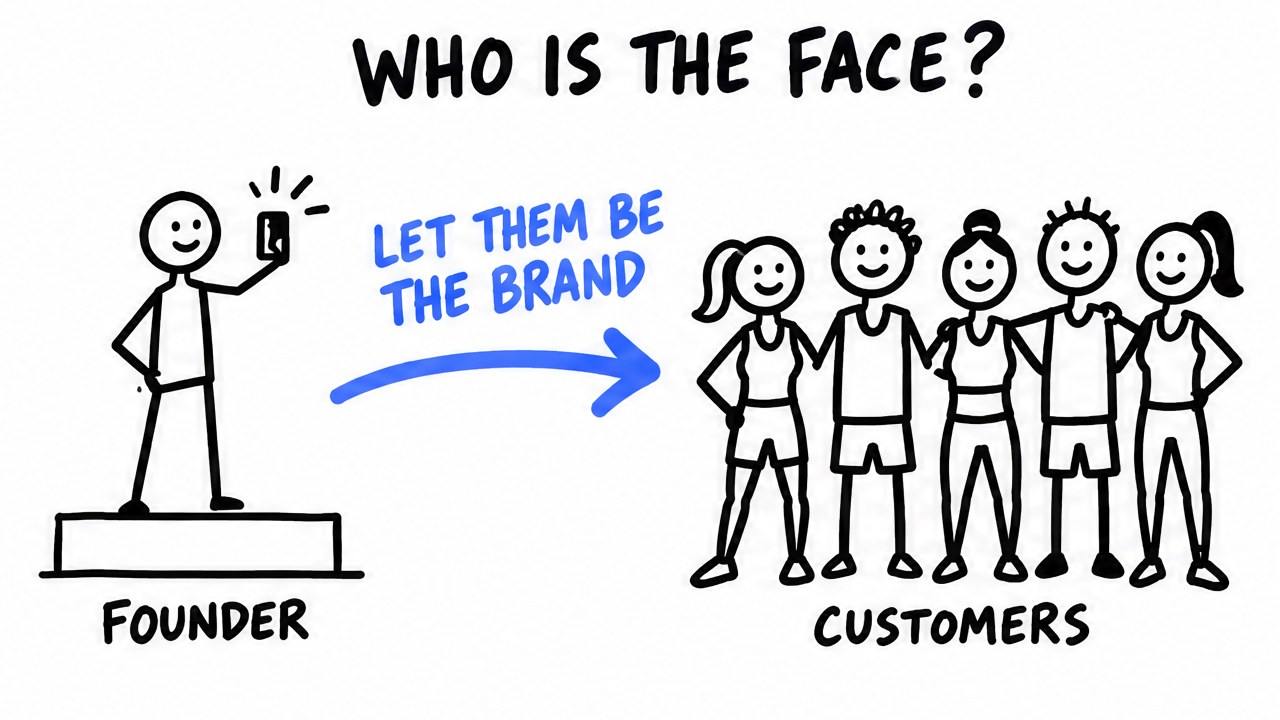
If your personality isn't going to carry the brand, the product has to. The simplest way to check where you stand is what we call the remove the logos test. Put your product next to a competitor's, take the logos off both, and ask whether someone could still tell them apart.
If they couldn't, the product doesn't have enough of its own identity yet. That doesn't mean every basic in your range needs to be unusual. It usually means one hero product, the piece people come to know you for, has a look they'd spot anywhere.
FIGS does it with color, a bold palette rooted in medical wear that still feels playful. Gymshark did it with its Vital Seamless range, where the vibrant, punchy colors read as Gymshark before you ever see a logo. Those details get locked in at the design stage and written into the tech pack, long before anyone posts a photo. If you're still working out what makes you different, our piece on finding your USP is a good place to start.
Let your customers be the face
Plenty of people wear Lululemon every day without knowing its founder is Chip Wilson. For a long time he wasn't part of how the brand showed up at all. The personality came from the people inside the community.
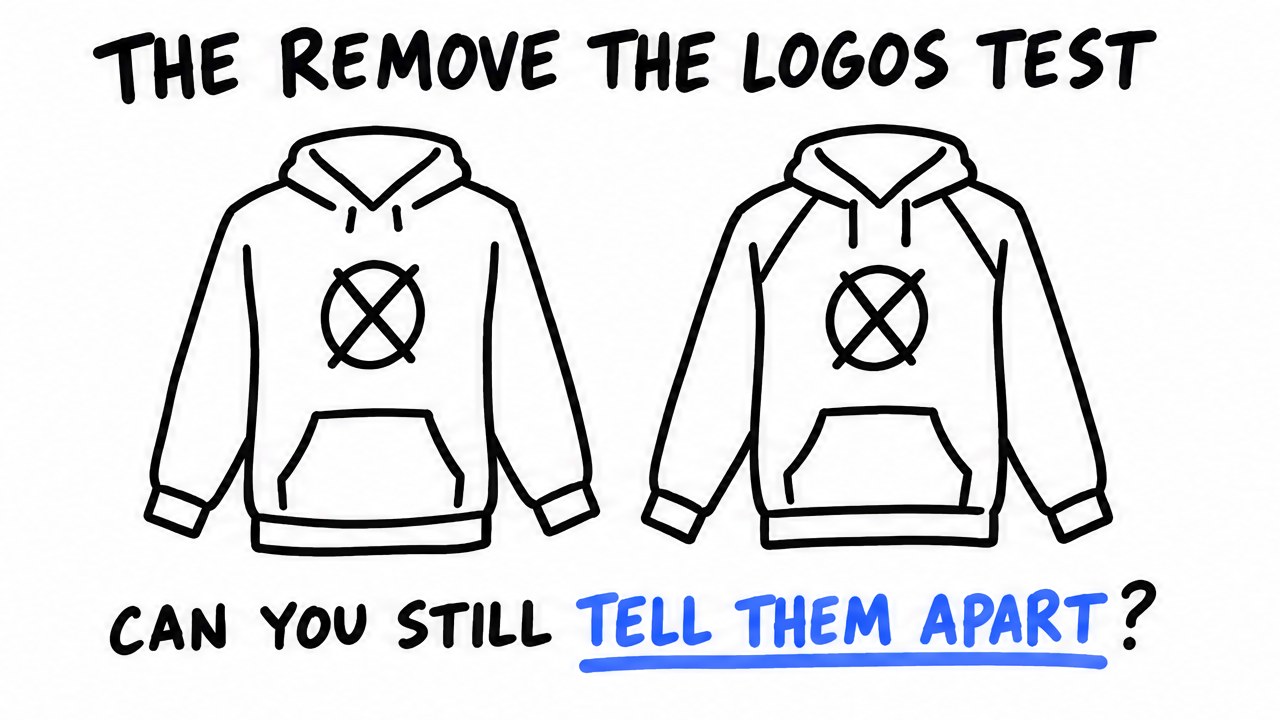
People relate to people, so if it isn't going to be you, let it be the people who already love what you make. Real customer photos and videos, fit reviews on different bodies, honest online reviews and moments from your community do a lot of the talking a founder would otherwise do.
Lululemon built this around educators, the yoga teachers and trainers actually living the lifestyle, and even now it tends to choose local instructors over big influencer deals. It works because the customer sees someone like them wearing it.

Photo by Kaspars Eglitis on Unsplash
If you don't love talking, let the process tell the story
You don't need a big personality when what you're showing is genuinely interesting. Building a clothing brand is full of moments people want to see: the first sketches, spotting a gap in the market, choosing between fabric swatches, testing colors and prints, finding a packaging supplier, pulling a campaign together.
Shadi compares it to a film with a great actor. If the story is dull, the actor can't save it. If the story is good, you barely notice who's on screen. Put your energy into the story. For more ideas when nobody knows your name yet, read How to Market a Clothing Brand When No One Knows Who You Are.
Photo by Kumpan Electric on Unsplash
Building a product people recognize without the logo?
The colors, details and silhouette that make a product yours all get decided during design and the tech pack.
Build content that doesn't depend on you
Content built around your daily life, your humor or your personal style only works while you keep turning up for it. Formats built around the product can run every single week, whoever's holding the camera.
A few that work well for activewear brands: product breakdowns that show a piece in use for running, lifting or training; wear tests where it gets put through a real session; sample versus final, showing what changed from the first prototype, what was hard to fix and what couldn't be; customer fit, with the same product on different body types and in different colors; and a look inside production, from cutting to sewing to quality checks.
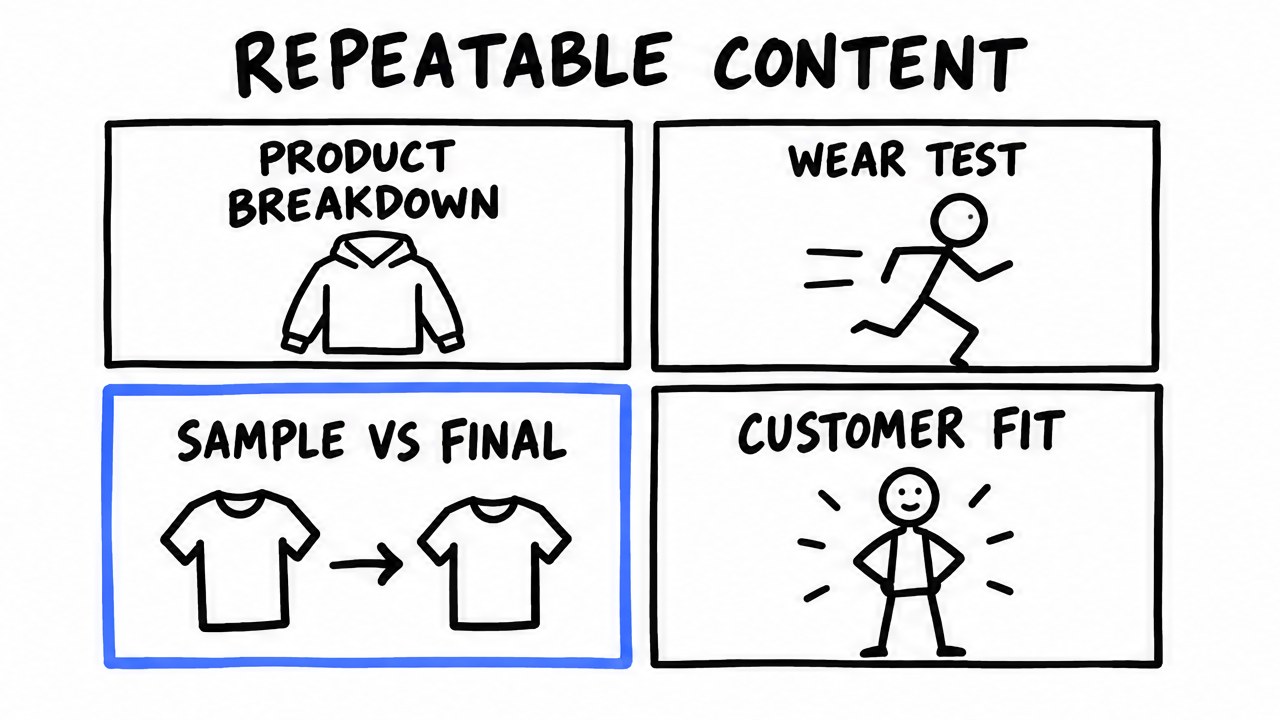
Once you have a handful of these, you're never staring at a blank calendar. They also build up how people value the product, because they get to see the time and care that went into it. There are more ideas like this in How Sportswear Brands Can Get Their First Customers Without Spending a Dollar on Ads.
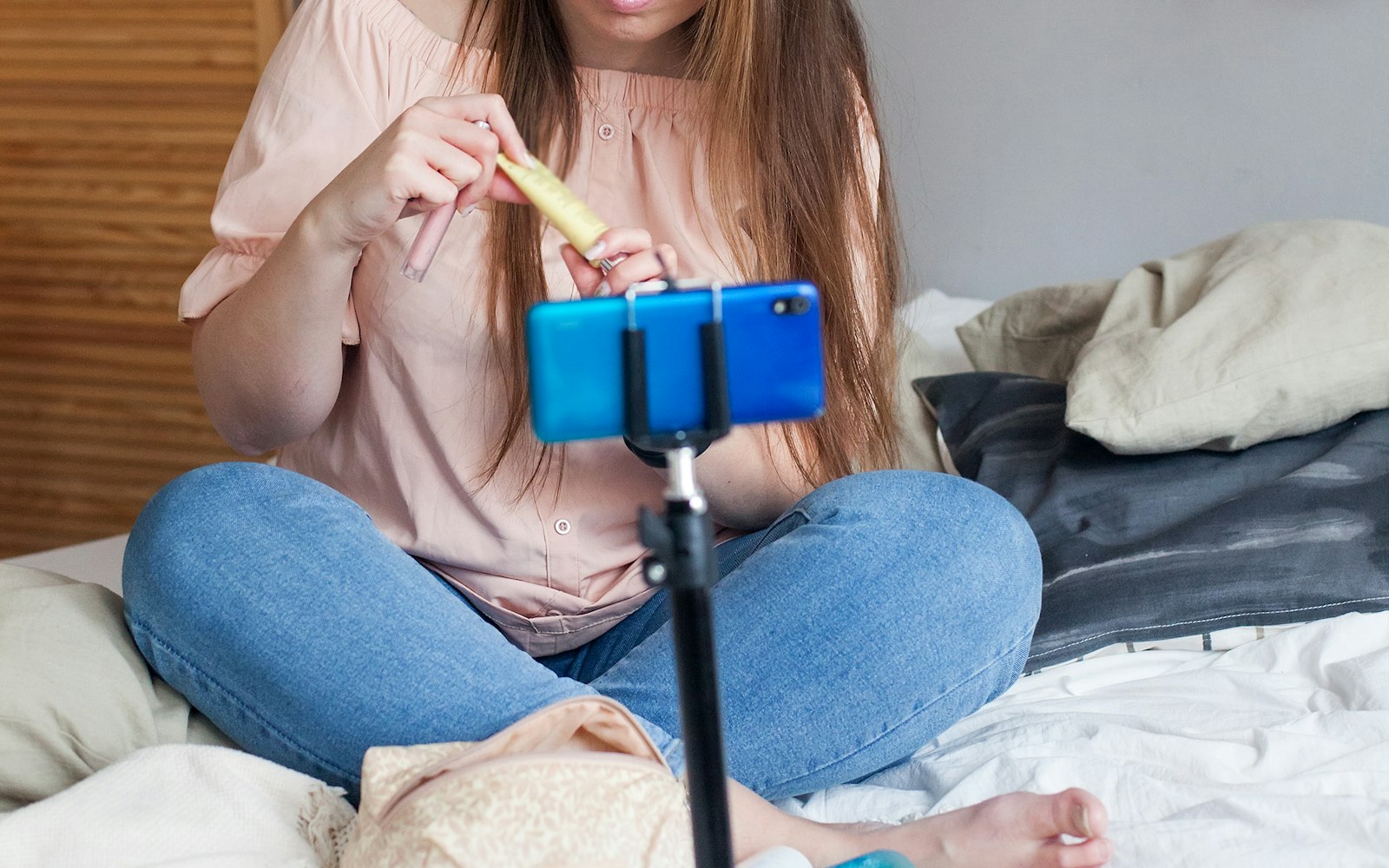
Photo by Daria Trofimova on Unsplash
Show up when it counts
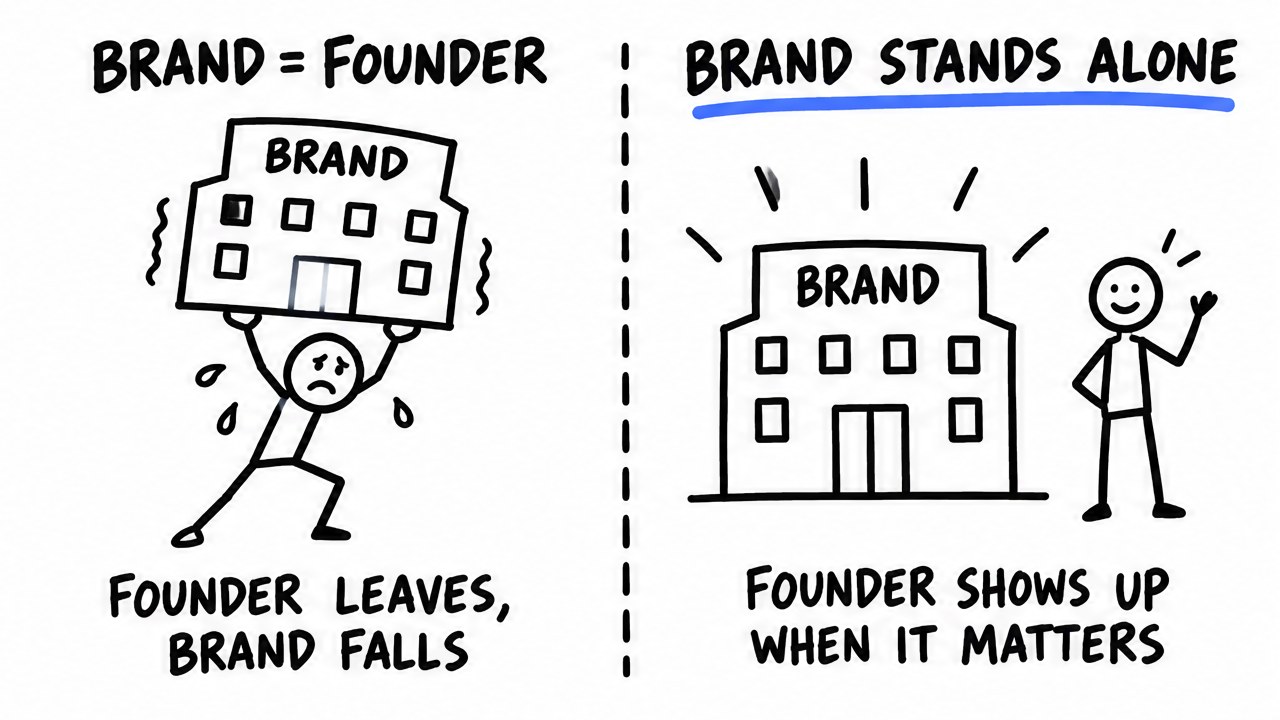
None of this means disappearing completely. Phil Knight and Chip Wilson did eventually step forward and tell their stories, and people know who they are.
There are moments where your customers want to hear from you: the problem you set out to solve, how the brand started, a big change you're making. A founder who's clearly involved but always hidden can start to feel like a red flag, and people wonder why.
What you want to avoid is a brand that can't exist without you. If everything is tied to one person, the brand's value goes with them when they want to sell, step back, or have a very public bad day. Show up when it matters, and let the brand stand on its own the rest of the time.
Watch Shadi talk it through
Shadi covered all of this on FittDesign TV. If you'd rather watch, here's the episode.
About FittDesign
FittDesign is a full-service design and production company for sportswear and activewear brands. We take you from the first sketch to a factory-ready tech pack, sampling and production, so the product that arrives is the one you pictured.
Ready to build a product that stands on its own?
In front of the camera or behind it, the product needs to be recognizable first. We design it, build the tech pack and sample it with the factory, with a physical product in your hands in around 30 to 35 days.
Get a quote → Takes 2 minutes. No obligation.


