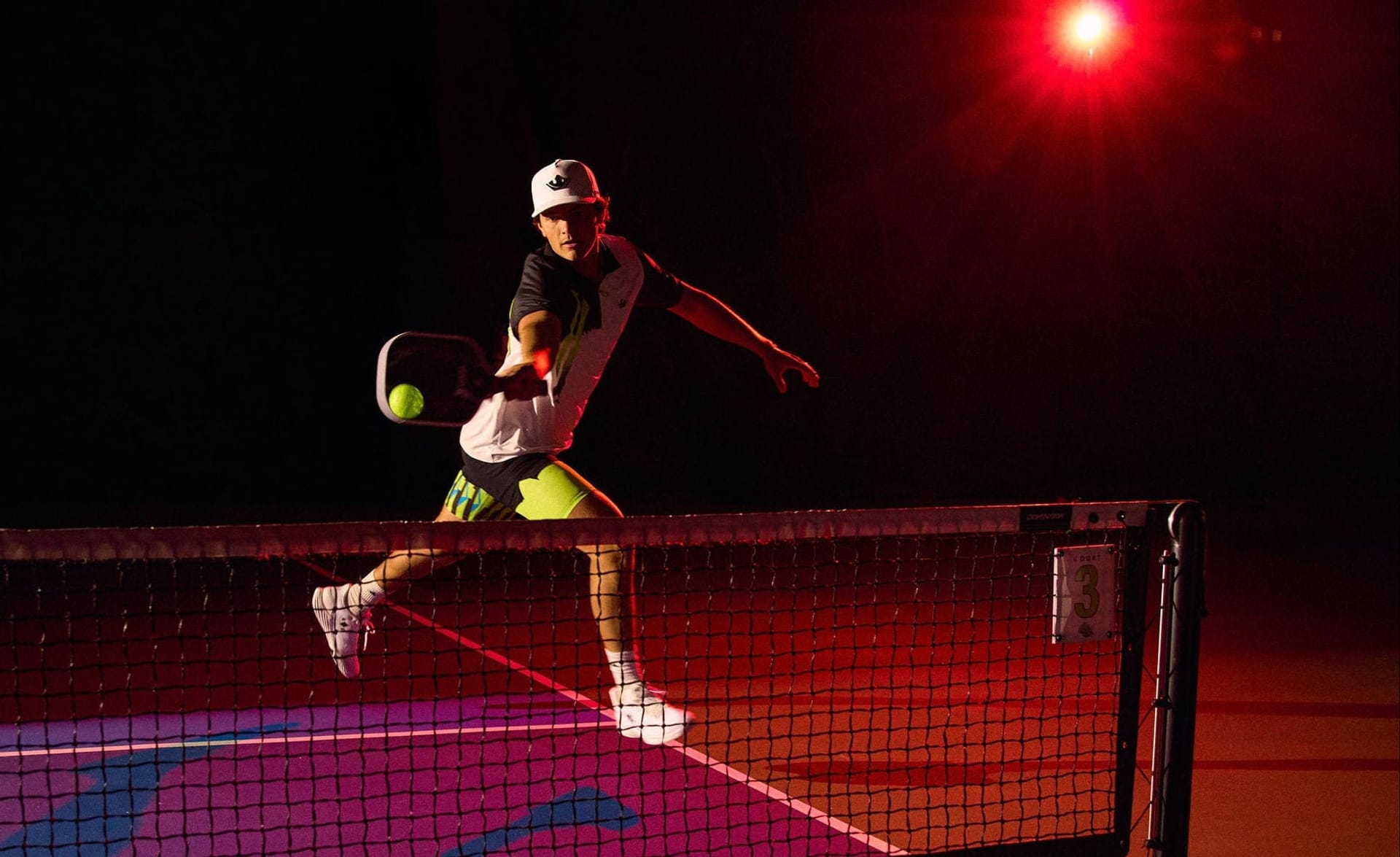

 Case study — Product design, production and ecommerce
We built Scepter’s 90s-inspired pickleball range, its packaging and its store
- Client
- Scepter
- Category
- Pickleball and tennis apparel
- Scope
- 4 styles, packaging and the store
- Timeline
- 5 months, sketch to launch
A pickleball brand started by a former competitive tennis player, built on the look of 90s tennis. We designed four styles, built each one in 3D, sampled and manufactured them, designed the packaging and built the Shopify store they sell on.
What we did
- Product design
- 3D modelling
- Tech packs
- Sampling
- Manufacturing
- Packaging
- Website
90s tennis attitude, built for modern pickleball
Scepter’s founder played competitive tennis before moving to pickleball, and found most of the sport’s apparel an afterthought: a logo on a generic shirt. He wanted the bold graphics, bright colours and relaxed fits of 90s tennis, made in performance fabrics that work for today’s players.
- Sketches and graphic placement
- 3D models in every colourway
- Tech packs and production files
- Sampling and fit approval
- Bulk manufacturing
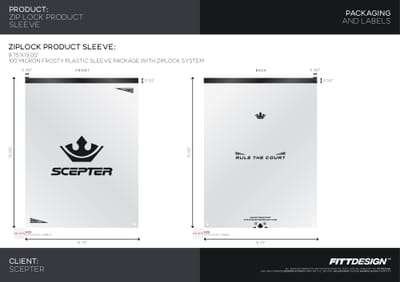
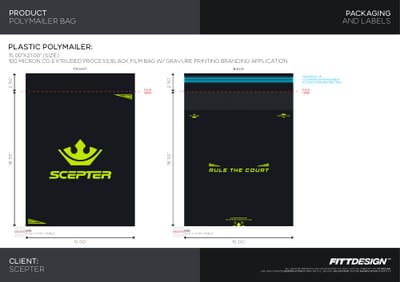
- Labels, hang tags, sleeves and mailers
- Shopify store design and build
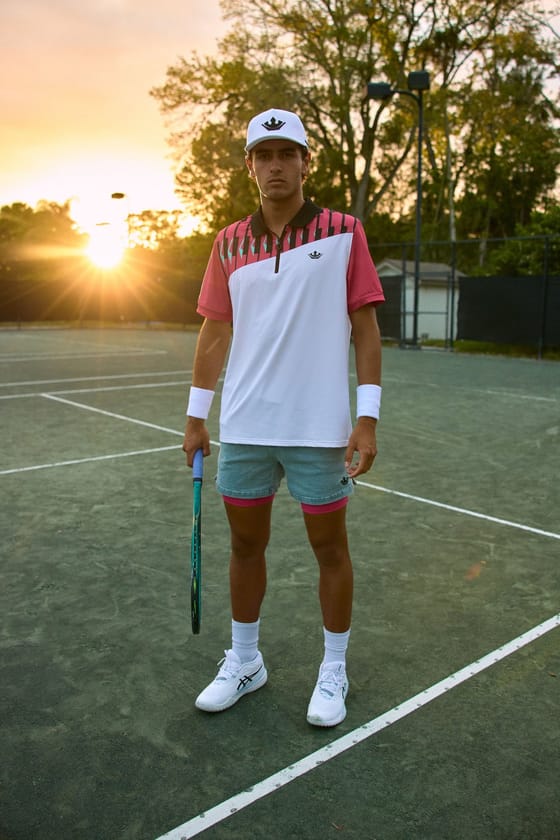
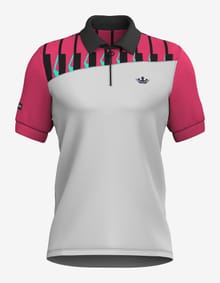
Sketch. 3D model. Finished product.
Pick a piece. Same garment at three stages, straight from our project files and their live store.
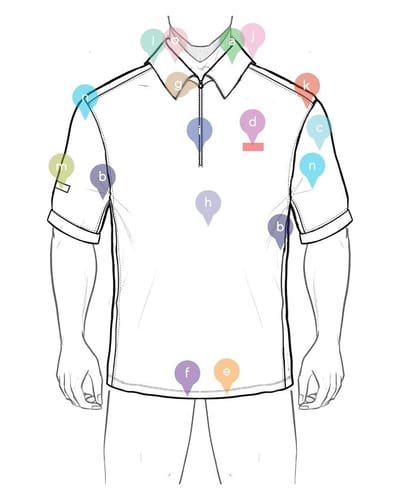
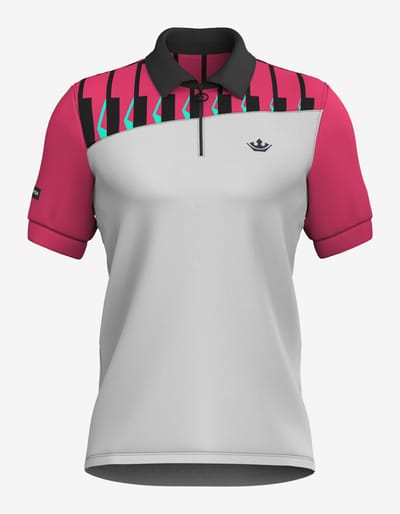
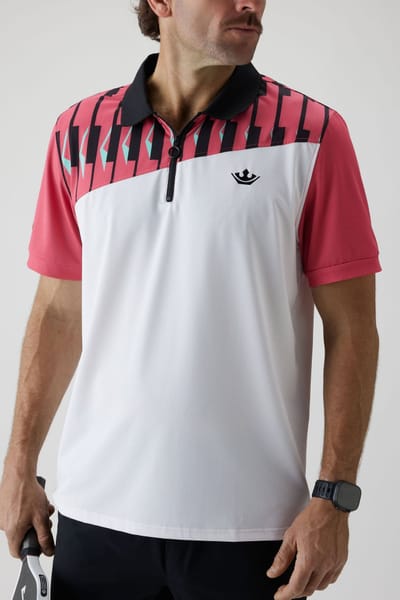
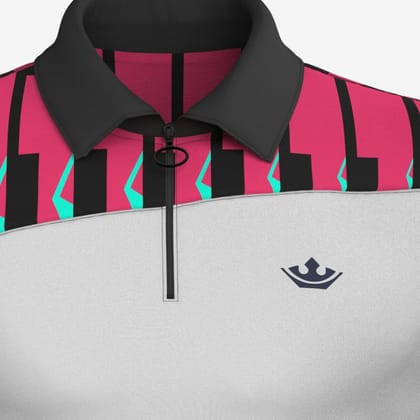
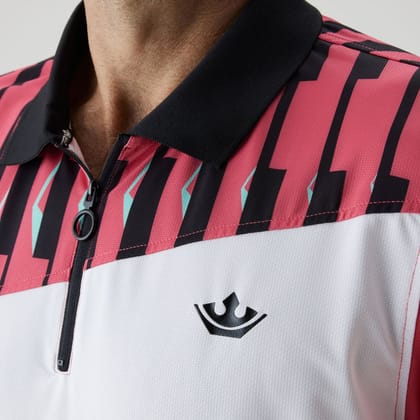
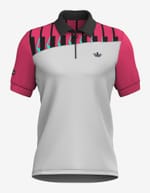
Carried through from sketch to shelf: the striped panel across the chest and sleeves, the black collar, the zip placket and the crown on the chest.
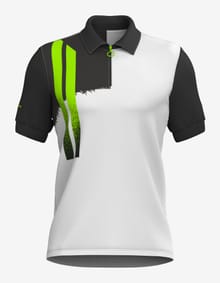
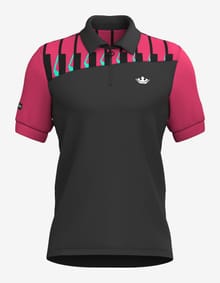
Three colourways, decided on screen
Every style was rendered in each of its colourways before sampling. The black polo never made it to the store: that call was made on screen, before anyone paid for a sample.
Every angle, on screen
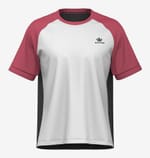
Each style was built in 3D and turned a full circle, so prints, seams and proportions could be checked from every side. Drag to turn the Reign Performance Tee.
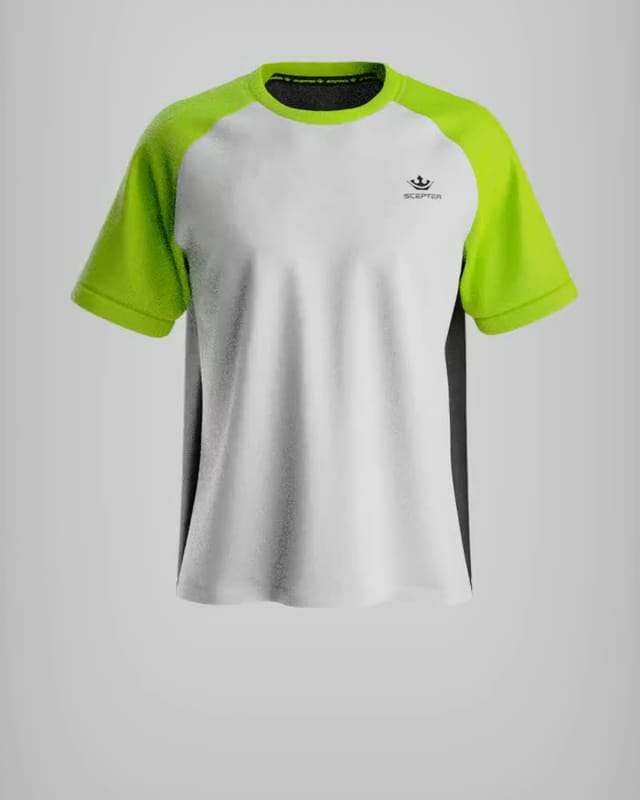 3D model · 0°
Look at the 3D. Now look at the product.
Every garment gets built in 3D before a sample is cut. Seams, prints, trims, pocket placement, proportions. You sign off on the model, and the factory works to it.
Collar, zip and crown
The striped panel, black collar, zip placket and crown logo, placed in 3D and matched on the finished polo.
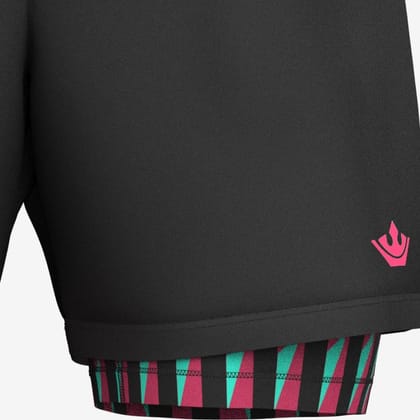
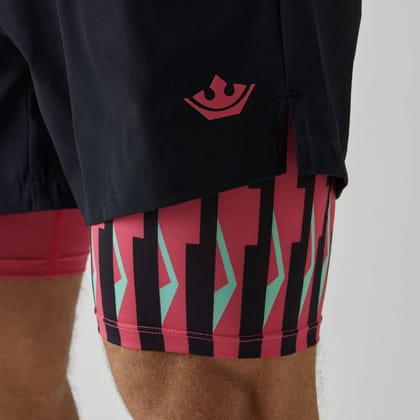
Printed compression liner
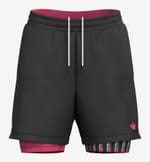
The striped liner showing below the Rally Short’s hem: same print, same length as the 3D.
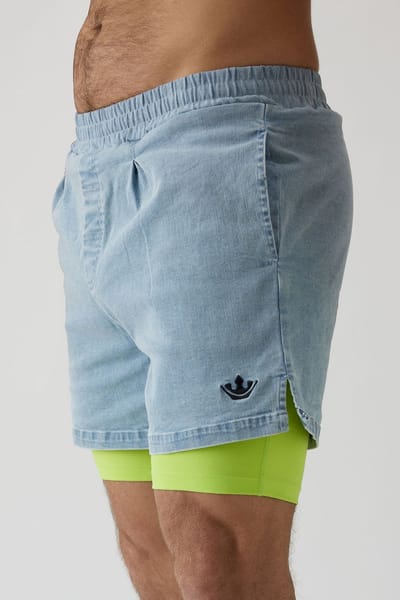
Denim hem and lime liner
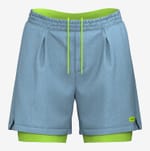
The Court Jort’s split denim hem over its lime compression liner, matched to the render.
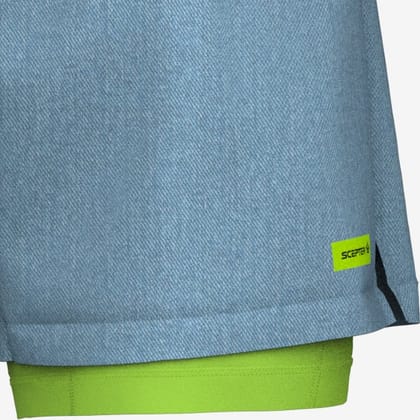
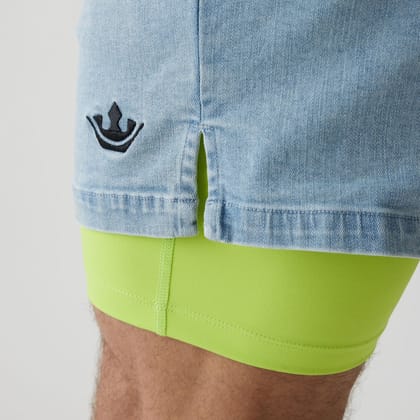
What you approve on screen is what shows up in the box. Fewer surprises at sampling, fewer paid rounds to fix them.
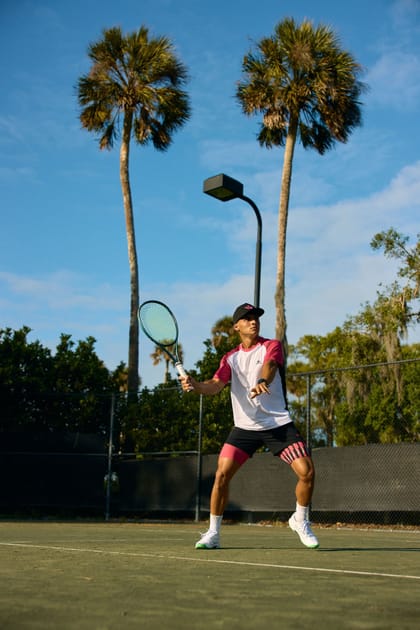
Not a concept board. These are selling.
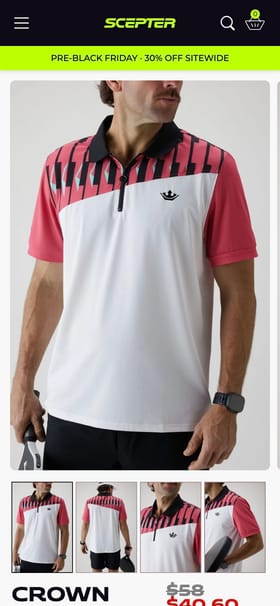
Every piece below is live on the Scepter store. Click through and hold it up against the 3D.
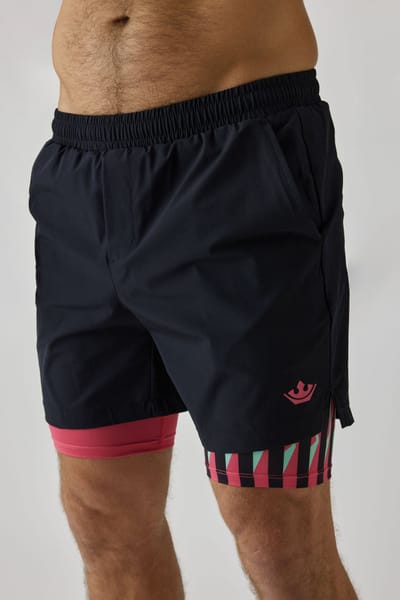
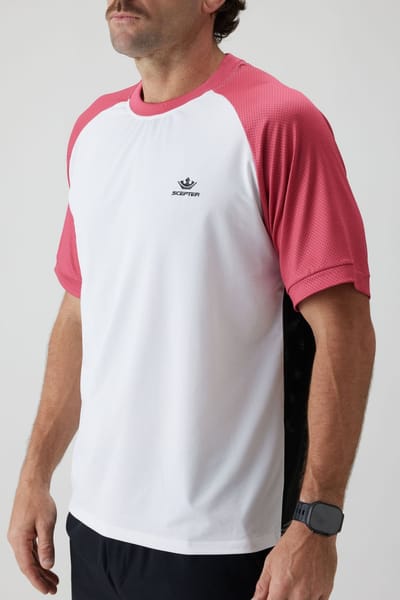
Got a product in your head? See it in 3D before you pay for a single sample.
The unboxing, designed too
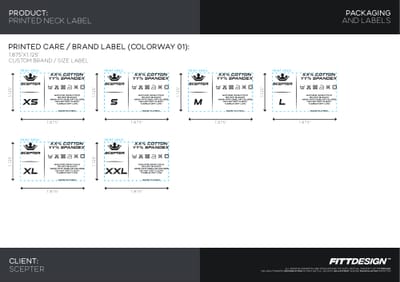
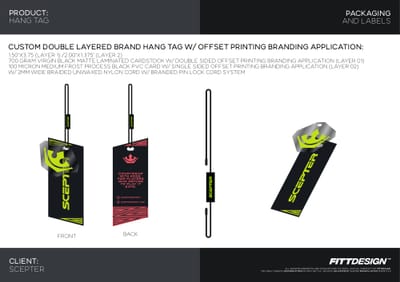
Neck labels, hang tags, product sleeves and the polymailer, spec’d in the same system as the garments so the factory gets one clean pack.
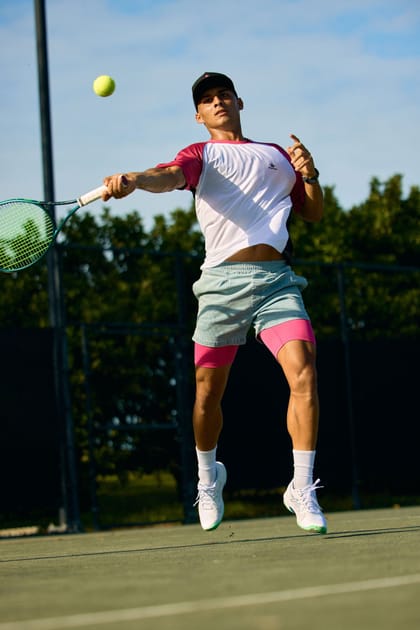
Their campaign. Our product.
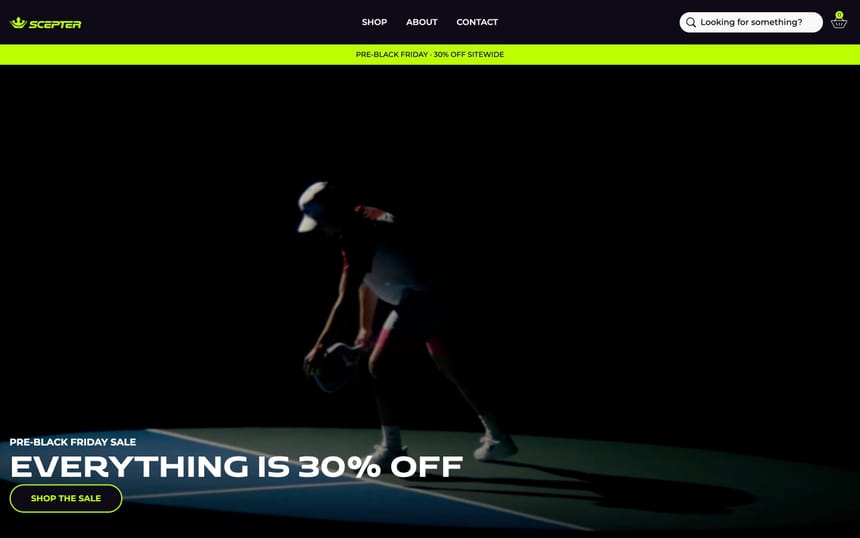
sceptersport.com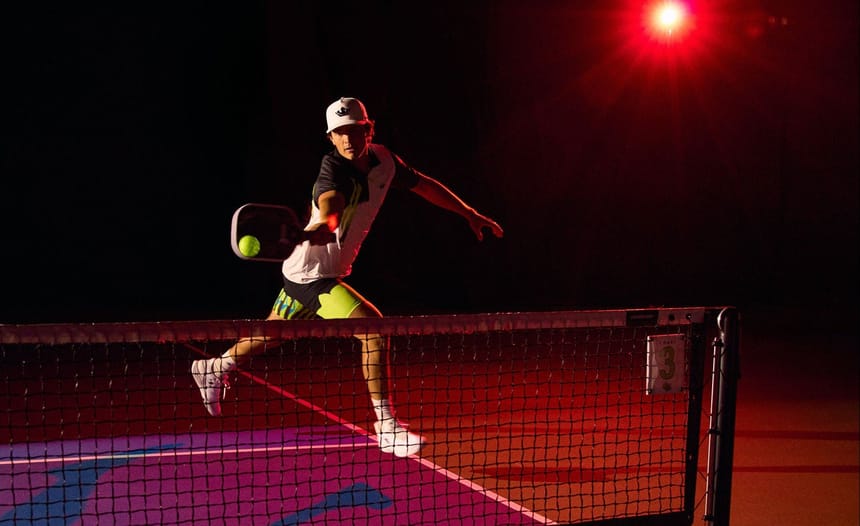
A store that sells the attitude
One studio, the whole launch
- February 2025Preliminary sketches
- April 20253D models and tech packs
- July 2025Packaging and the store
- TodayOn sale at sceptersport.com
Your brand could be the next case study on this page
- 01Book a callTell us what you’re building and when you want it out.
- 02Sketch and 3DSee your product, in every colourway, before it exists.
- 03Sample and produceSamples in 2 to 3 weeks, production from 100 pieces in our own factory.